Space Discoveries
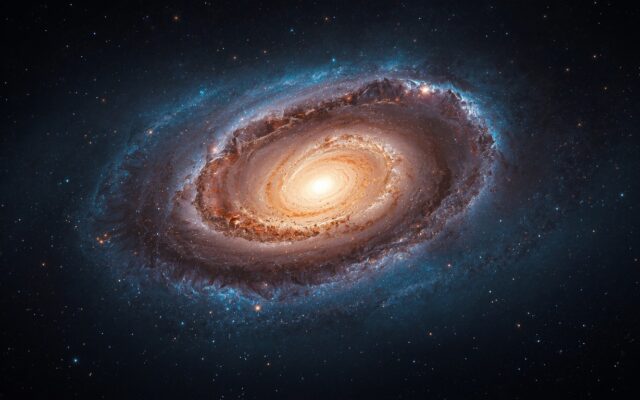
Spiral Galaxy Structure Explained: 8 Key Features
Spiral Galaxy Structure Explained: Spiral galaxies are among the most photogenic objects in deep-space imagery, and understanding their layout makes every photograph…
Category
Featured posts
Spiral Galaxy Structure Explained: Spiral galaxies are among the most photogenic objects in deep-space imagery, and understanding their layout makes every photograph…
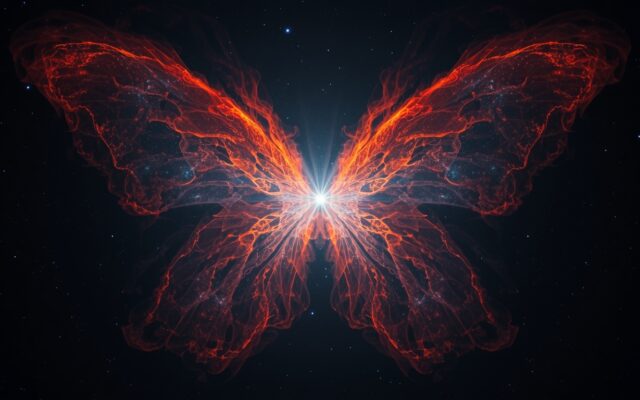
Hubble Butterfly Nebula Photos: Among the most visually symmetrical objects captured by the telescope, Hubble Butterfly Nebula photos showcase NGC 6302, a…
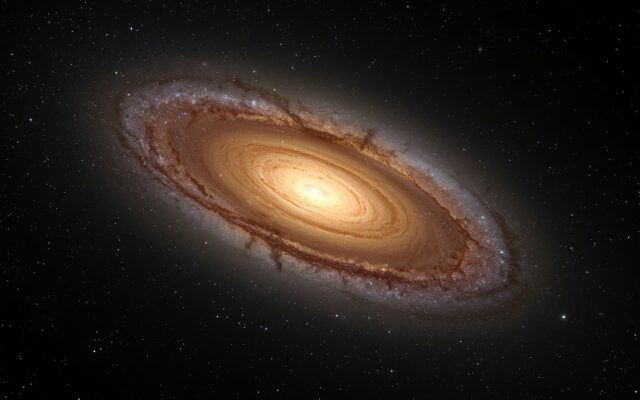
The Hubble Sombrero Galaxy Image: Few galaxies are as visually distinctive as Messier 104, better known through the Hubble Sombrero Galaxy image…
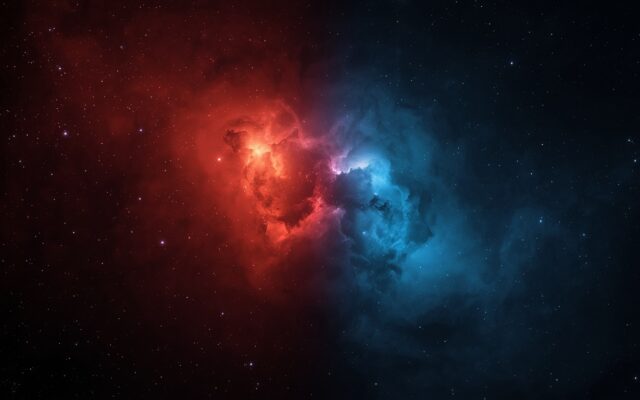
Emission Nebula vs Reflection Nebula Types: Two of the most commonly photographed nebula categories often get confused by beginners: emission and reflection…
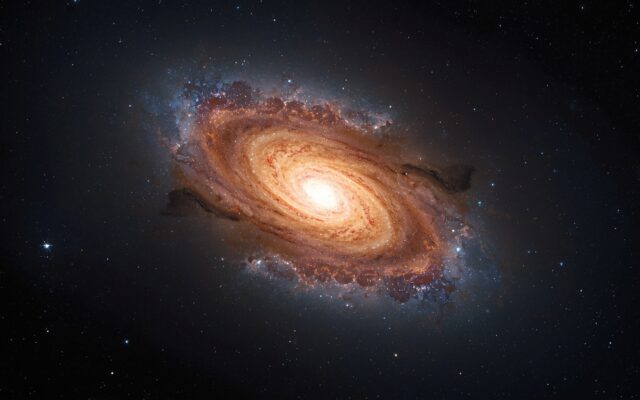
The James Webb Cartwheel Galaxy Image: Released in August 2022, the James Webb Cartwheel Galaxy image gave astronomers their clearest view yet…
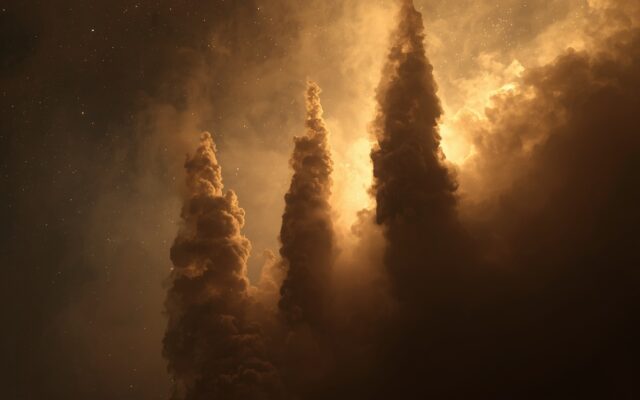
8 Incredible Hubble Eagle Nebula Photos: Long before James Webb captured its infrared version, Hubble Eagle Nebula photos had already made astronomical…
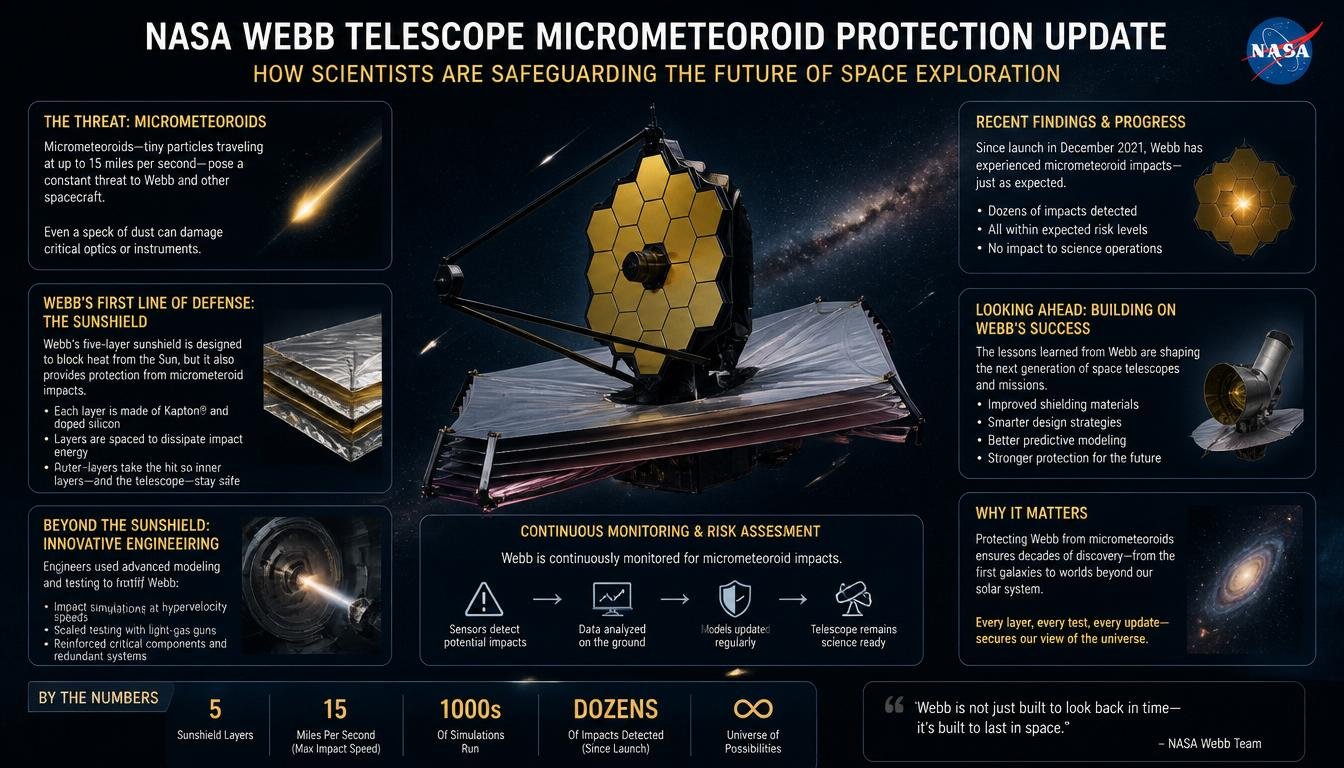
Introduction The NASA James Webb Space Telescope continues to deliver remarkable…
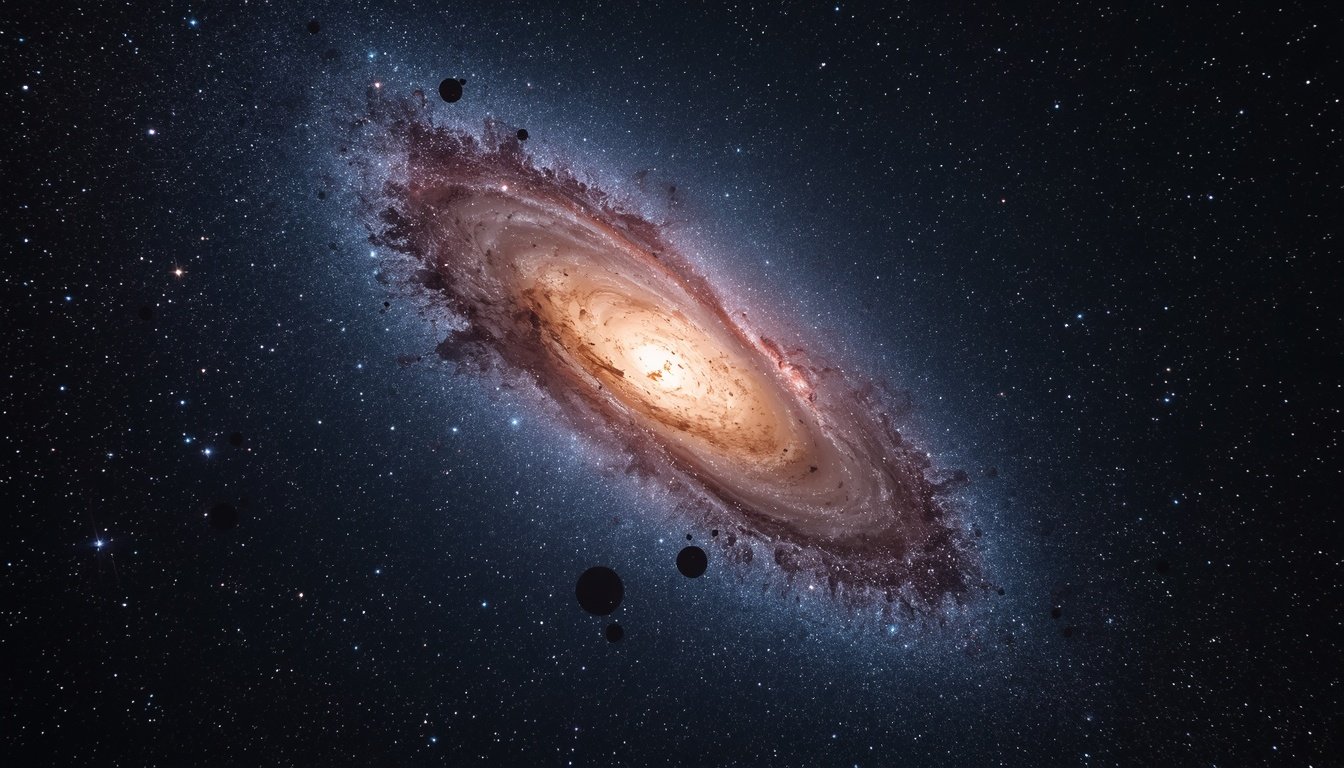
Introduction The universe is filled with billions of galaxies, but only a…
Mission briefing
Artemis is NASA's program to return humans to the Moon and build a lasting presence there. It uses the Space Launch System rocket, the Orion spacecraft, commercial lunar landers and the planned Gateway station. Lessons learned on and around the Moon will prepare astronauts for the first crewed missions to Mars.
NASA's Artemis program is working toward the first crewed landing since Apollo 17 in 1972, targeting the lunar south pole later this decade. The exact date depends on the readiness of commercial landers, new spacesuits and Orion test flights, so schedules shift. We track every official update in our Artemis Missions coverage.
The ISS is an orbiting laboratory about 400 kilometers above Earth, continuously crewed since November 2000. Astronauts run experiments in biology, physics, medicine and materials science that are only possible in microgravity. It also tests life-support technology and studies how long spaceflight affects the human body, knowledge essential for future Moon and Mars missions.
Most exoplanets are found with the transit method: telescopes like TESS and Kepler watch for a star dimming slightly as a planet crosses in front of it. The radial velocity method detects a star's tiny wobble caused by an orbiting planet's gravity. The James Webb Space Telescope then studies starlight filtered through planetary atmospheres to reveal their chemistry.
NASA streams major launches free on NASA+, its YouTube channel and nasa.gov, while SpaceX, Blue Origin and Rocket Lab broadcast their own webcasts. Coverage usually begins 30 to 60 minutes before liftoff. To watch in person, the Kennedy Space Center Visitor Complex in Florida sells launch viewing tickets. Always check for last-minute scrubs.