6 Breathtaking Veil Nebula Supernova Images and Their Story

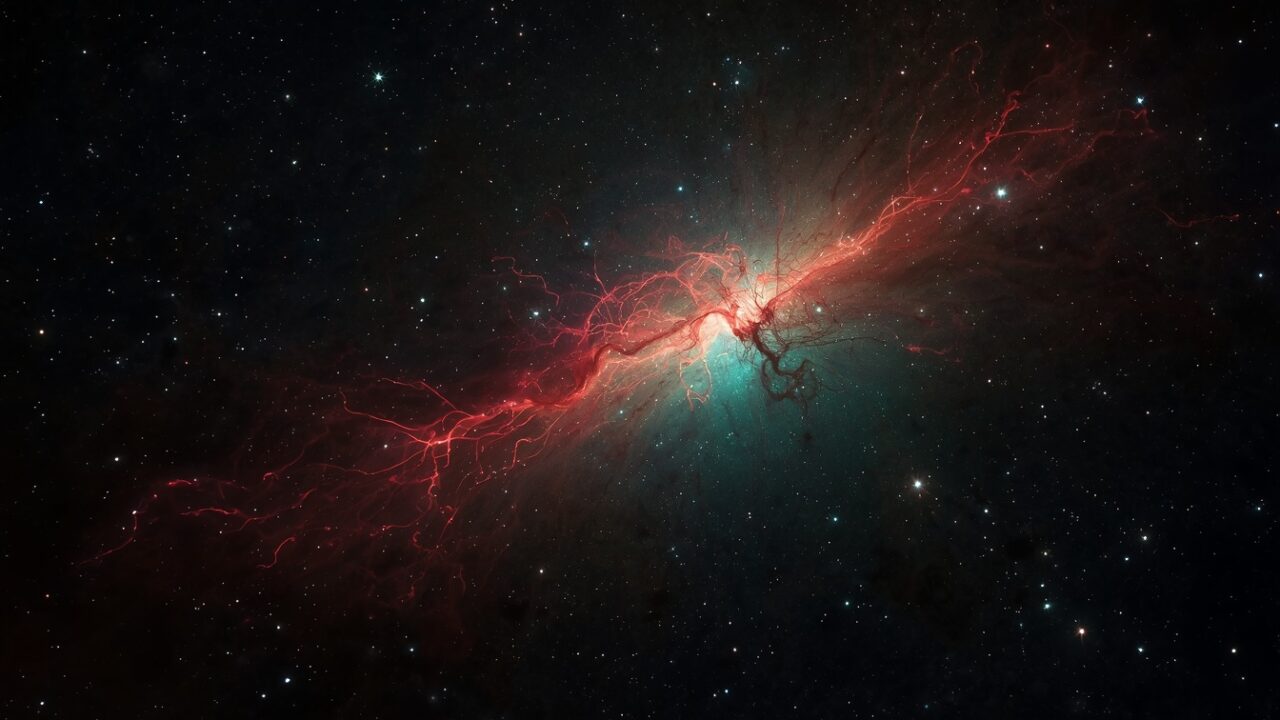
Veil Nebula Supernova Images:
Among the most delicately detailed supernova remnants in the night sky, Veil Nebula supernova images showcase intricate, wispy filaments of glowing gas, the remains of a massive star that exploded roughly 10,000 years ago in the constellation Cygnus.
The Explosion That Created the Veil
The star responsible for what we now see in these images was likely 20 times more massive than our Sun, ending its life in a violent supernova explosion. Since then, the resulting shockwave has continued expanding outward, now spanning nearly 3 degrees of sky, roughly six times the width of the full moon.
Multiple Named Sections
The Veil Nebula isn’t a single simple structure — Veil Nebula supernova images typically show distinct sections cataloged separately, including the Eastern Veil (NGC 6992), Western Veil (NGC 6960), and Pickering’s Triangle, each displaying slightly different filament patterns within the larger remnant.
The Delicate Filament Structure
What makes Veil Nebula supernova images so visually striking is the lace-like, thread-thin filament structure throughout the remnant, formed as the supernova’s expanding shockwave compresses and heats surrounding interstellar gas, creating thin, glowing sheets of ionized material.
Color Composition in Detailed Images
Most detailed Veil Nebula supernova images rely on narrowband imaging, combining hydrogen-alpha, oxygen III, and sulfur II filters to reveal the nebula’s full color complexity, typically producing striking combinations of red, teal, and pink throughout the delicate filament structures.
The Central Star’s Fate
Unlike some supernova remnants with a clearly visible central neutron star or pulsar, the exact remnant of the original exploded star within the Veil Nebula remains less definitively identified, adding an element of ongoing scientific interest to continued observations of this object.
A Popular but Challenging Astrophotography Target
Due to its large apparent size and relatively faint surface brightness, capturing detailed Veil Nebula supernova images typically requires wide-field telescope setups combined with narrowband filters and substantial total exposure time to properly reveal the finer filament details throughout the structure.
Comparing to the Crab Nebula
While the Crab Nebula represents a much younger, more compact supernova remnant with a known explosion date, these images show a much older, more widely dispersed structure, offering astronomers a valuable comparative example of how supernova remnants evolve and expand over thousands of years.
Scientific Value for Studying Remnant Evolution
Studying Veil Nebula supernova images alongside younger remnants like Cassiopeia A helps astronomers build more complete timelines of how supernova shockwaves interact with surrounding interstellar material over vastly different timescales, refining models of remnant evolution and eventual dispersal.
Where the Veil Sits in the Sky
The Veil Nebula lies in the constellation Cygnus, the Swan, near the star Epsilon Cygni. It spans about six times the diameter of the full Moon, which makes it one of the largest supernova remnants visible from Earth.
It is best observed in late summer and autumn from the Northern Hemisphere, when Cygnus rides high overhead. Its position in a rich part of the Milky Way means Veil Nebula supernova images often include dense star fields alongside the glowing filaments.
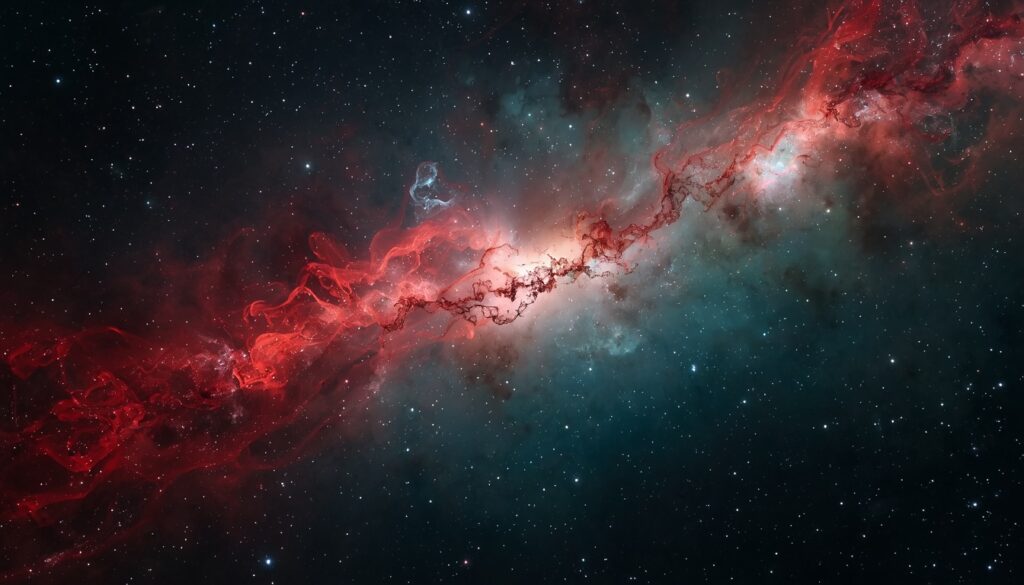
The Eastern and Western Veil
The two brightest sections are the Eastern Veil (NGC 6992 and NGC 6995) and the Western Veil (NGC 6960). The Western Veil runs right past the bright star 52 Cygni, which is why it is sometimes called the Witch’s Broom.
Between these two arcs lies Pickering’s Triangle, a fainter patch of intricate filaments named after Harvard astronomer Edward Pickering. Capturing all three regions in a single frame requires a short focal length and a camera with a large sensor, or a mosaic of several images.
How Old the Remnant Is
Estimates of when the supernova occurred have changed over time. Earlier studies suggested it exploded 5,000 to 10,000 years ago, while more recent work points to a range closer to 10,000 to 20,000 years.
Estimating the age depends on knowing the remnant’s distance and how fast it is expanding. Measurements from Hubble and Gaia have refined the distance to about 2,400 light-years, which helps narrow the age estimate.
Hubble’s Close-Up Views
Hubble has photographed small sections of the Veil in remarkable detail. Its 2015 and 2021 images revealed twisted ribbons of gas glowing in different colors, each color corresponding to different elements and temperatures.
These close-ups show how the shock wave from the explosion is sweeping through the surrounding gas, heating it and making it glow. They also allowed astronomers to measure how the filaments have shifted over the years.
Why Oxygen Glows Blue-Green
In many images, the Veil’s filaments show both red and blue-green colors. The red comes mainly from hydrogen, while the blue-green comes from doubly ionized oxygen.
The two colors often appear in slightly different places, because different regions of the shock wave heat the gas to different temperatures. This makes the Veil a favorite for bicolor narrowband imaging, which uses hydrogen-alpha and oxygen-III filters.
Observing the Veil Visually
With an oxygen-III filter, the Veil becomes a stunning visual target. Even a small telescope can show the Eastern and Western arcs as delicate threads of light under dark skies.
Without a filter, the Veil is difficult to see. The filter blocks most light while letting the oxygen emission through, dramatically improving contrast. For many amateur astronomers, seeing the Veil through a filtered eyepiece is a memorable experience.
No Neutron Star Found Yet
Unlike the Crab Nebula, the Veil has no confirmed neutron star or pulsar at its center. Astronomers have searched for one, but none has been definitively identified.
The star that exploded may have left a neutron star that is simply too faint or poorly positioned for us to detect. Or it may have been a type of supernova that left no remnant core. Continued searches may eventually solve the mystery.
The Veil in Webb’s Future
The Veil’s filaments are prime targets for infrared observations that can map dust and molecules within the shock fronts. Studying how dust survives or is destroyed in these shocks helps explain how much dust supernovae ultimately add to galaxies.
Final Thoughts
These images capture one of the night sky’s most visually delicate yet scientifically significant structures, offering both stunning astrophotography opportunities and valuable insight into the long-term aftermath of massive stellar explosions.
Keep exploring with our guides to Supernova remnant nebula images, Hubble Crab Nebula photos and Nebula types visual guide. For official information, visit NASA’s universe science hub.
Frequently Asked Questions
How old is the Veil Nebula?
The supernova explosion that created it occurred roughly 10,000 years ago.
What are the main sections of the Veil Nebula?
The Eastern Veil, Western Veil, and Pickering’s Triangle are the primary named sections.
Why does it show such delicate filament structures?
The expanding shockwave compresses interstellar gas into thin, glowing sheets.
What filters work best for photographing it?
Narrowband hydrogen-alpha, oxygen III, and sulfur II filters combined for full color detail.
How does it compare to the Crab Nebula?
The Veil is much older and more widely dispersed, while the Crab is younger and more compact.
Keep exploring