6 Stunning James Webb Exoplanet Atmosphere Images and Discoveries

6 Stunning James Webb Exoplanet Atmosphere Images:
Studying atmospheres on planets orbiting distant stars once seemed nearly impossible, but James Webb exoplanet atmosphere images and spectral data have turned this into routine science. Using a technique called transmission spectroscopy, Webb analyzes starlight filtering through a planet’s atmosphere as it passes in front of its host star, revealing the chemical fingerprints of gases present.
How Webb “Photographs” an Atmosphere
Unlike a typical photo, James Webb exoplanet atmosphere images are usually spectral graphs rather than direct visual pictures. As light passes through a planet’s atmosphere, certain wavelengths are absorbed by specific molecules. Webb’s Near-Infrared Spectrograph (NIRSpec) detects these dips, allowing scientists to identify water vapor, carbon dioxide, methane, and other compounds.
WASP-39b: A Landmark Discovery
One of the earliest and most celebrated James Webb exoplanet atmosphere images came from WASP-39b, a hot gas giant. Webb’s data revealed carbon dioxide, sulfur dioxide from photochemical reactions, and clear evidence of cloud formation — the first time such detailed atmospheric chemistry had been confirmed on a planet outside our solar system.
Detecting Water Vapor Across Multiple Planets
Following WASP-39b, Webb confirmed water vapor signatures in several other exoplanet atmospheres, adding valuable data points to ongoing research into which types of planets are more likely to harbor conditions suitable for water-based chemistry, a key ingredient in the search for habitability.
Cloud and Haze Detection
These images have also revealed the presence of clouds and photochemical hazes on gas giants, similar in concept to smog but formed through sunlight interacting with atmospheric molecules. These findings help refine climate models for planets vastly different from Earth.
TRAPPIST-1 System Observations
The TRAPPIST-1 system, home to seven roughly Earth-sized planets, has been a major target for Webb’s atmospheric studies. Early James Webb exoplanet atmosphere images and data from planets like TRAPPIST-1b suggested a lack of substantial atmosphere, helping scientists narrow down which planets in the system might retain atmospheres capable of supporting further study.
Why Rocky Planet Atmospheres Are Harder to Detect
Gas giants produce stronger, easier-to-detect spectral signals due to their thick atmospheres. Rocky, Earth-sized exoplanets present a much greater challenge, since their atmospheres — if present at all — are thinner and produce fainter signals. Webb’s ongoing observations continue refining techniques to detect these subtler atmospheric signatures.
The Search for Biosignatures
While no confirmed signs of life have been found, these images and spectral data represent crucial steps toward eventually detecting biosignature gases — combinations of chemicals that, on Earth, are strongly associated with biological processes.
Turning Data Into Visuals
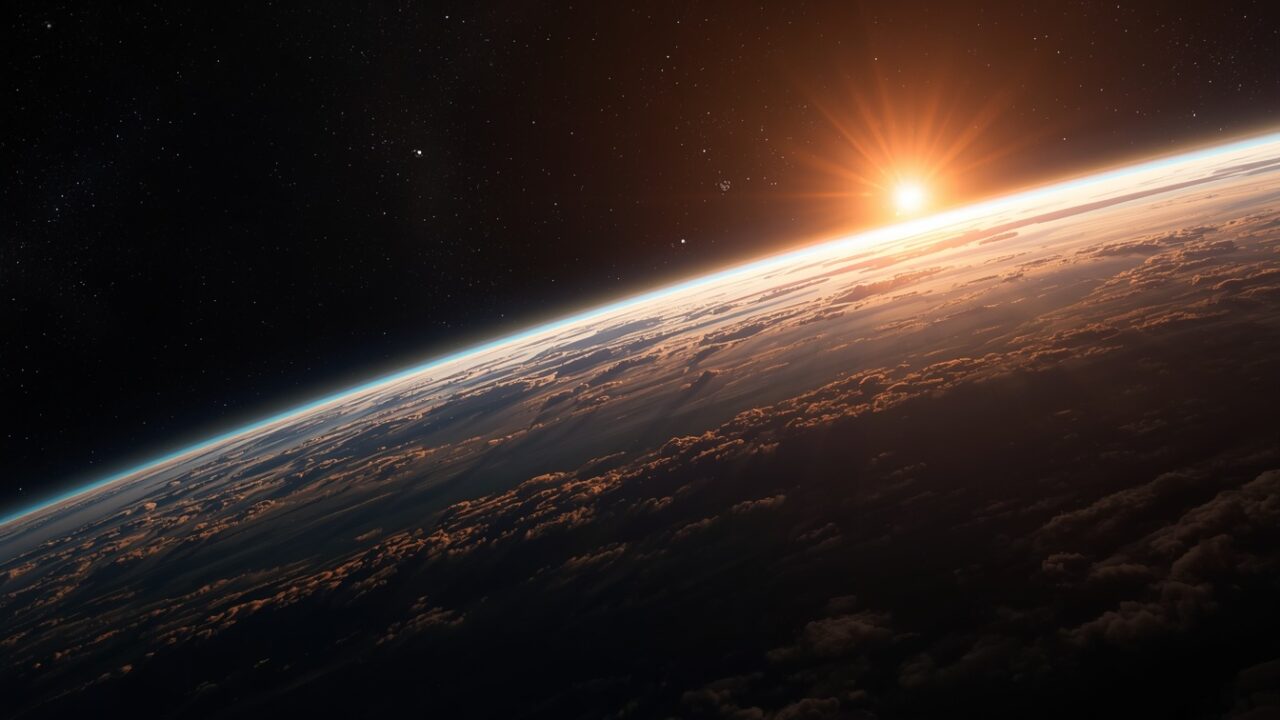
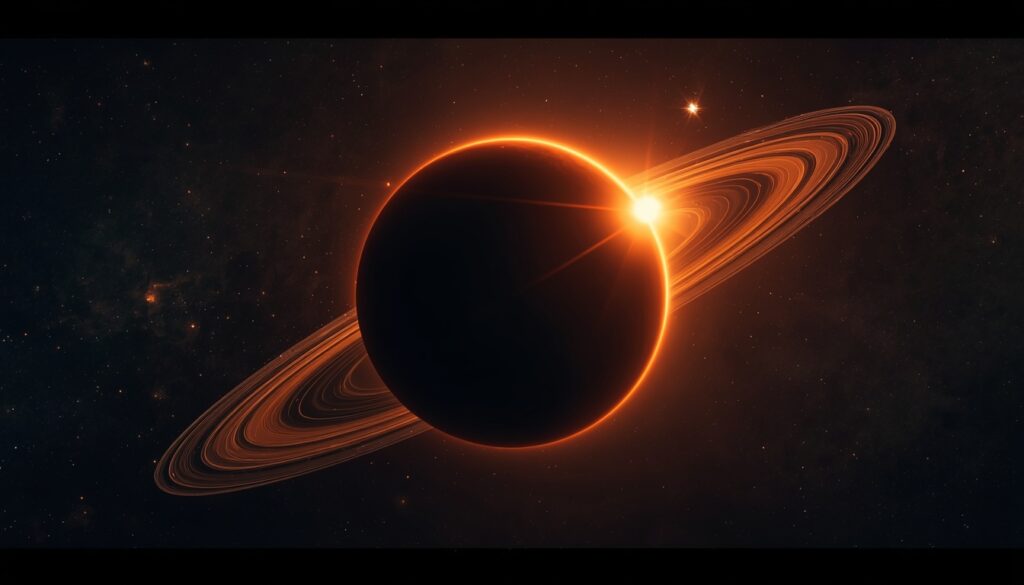
Although raw spectroscopic data isn’t inherently visual, scientists and artists often translate this information into illustrative graphics and artist renderings, helping the public visualize what these distant, chemically mapped worlds might actually look like.
Transmission Spectra Versus Direct Images
Most of what Webb has learned about exoplanet atmospheres comes from transmission spectroscopy rather than actual pictures of planets. When a planet passes in front of its star, a thin ring of starlight filters through the planet’s atmosphere. Different molecules absorb specific wavelengths, leaving dips in the spectrum that act like chemical fingerprints.
Webb can also measure light during secondary eclipse, when the planet slips behind its star, and study how the planet’s brightness changes during its orbit. Those techniques reveal temperatures and help map how heat moves from the day side to the night side. The colorful charts released with these images are really graphs of these measurements.
Sulfur Dioxide and Photochemistry
One of the most important early results was the detection of sulfur dioxide in the atmosphere of WASP-39b. This molecule was not expected in large amounts, and its presence pointed to photochemistry, meaning chemical reactions driven by high-energy light from the host star. It was the first clear evidence of this process on a planet outside the solar system.
The finding matters because photochemistry also shapes atmospheres in our own solar system, including the ozone layer on Earth. Showing that the same kind of chemistry happens on distant worlds gives scientists better tools for interpreting future observations, including those of smaller, rockier planets.
Hot Jupiters, Mini-Neptunes and Rocky Worlds
Webb’s early targets were mostly hot Jupiters, giant gas planets orbiting very close to their stars. Their thick, extended atmospheres and frequent transits make them the easiest atmospheres to study. They serve as testing grounds for the instruments and the data-analysis methods.
The telescope has since turned to smaller planets, including mini-Neptunes and possible water worlds. Observations of K2-18 b detected methane and carbon dioxide, and researchers have debated tentative hints of other molecules. For rocky planets, including those around TRAPPIST-1, some results so far suggest thin or absent atmospheres, which is itself an important finding about planets around small red stars.
Why Claims Need Caution
Exoplanet atmosphere signals are extremely small, often changes of a few parts in ten thousand in the brightness of a star. Starspots, instrument effects and different modeling choices can all mimic or hide a real signal. That is why independent teams often reanalyze the same data before a result becomes widely accepted.
For readers, the best habit is to separate confirmed detections, like carbon dioxide on WASP-39b, from tentative ones that need more observation. Headlines about possible signs of life usually refer to candidate signals that are still being tested, and Webb will likely need many more hours on those targets before any firm conclusion is possible.
What Comes After Webb
Webb can study the atmospheres of large planets well, but finding an Earth-like atmosphere around a Sun-like star is beyond its reach. The light from such a planet is billions of times fainter than its star, and it transits too rarely for easy study.
NASA’s proposed Habitable Worlds Observatory is designed for exactly that challenge. It would use a coronagraph to block starlight and directly image rocky planets in their stars’ habitable zones. Webb’s results are helping scientists decide which molecules and planets such a future mission should prioritize, so today’s atmosphere charts are laying the groundwork for the next big search.
Why Webb’s Mirror Size Matters Here
Webb’s 6.5-meter primary mirror collects far more light than Hubble’s 2.4-meter mirror, and that extra light is what makes faint atmospheric signals measurable at all. Every transit is short, so the more photons a telescope can gather in that window, the cleaner the spectrum becomes and the more confidently scientists can identify individual molecules.
Final Thoughts
These images represent one of the telescope’s most scientifically significant contributions, transforming exoplanet study from simple detection into detailed chemical characterization — bringing humanity closer than ever to understanding what conditions exist on worlds beyond our solar system.
Keep exploring with our guides to Exoplanet TRAPPIST-1 system images, Exoplanet discovery imaging methods and Exoplanet WASP-12b visual guide. For official information, visit NASA’s James Webb Space Telescope page.
Frequently Asked Questions
How does Webb capture exoplanet atmosphere images?
It uses transmission spectroscopy, analyzing starlight filtered through a planet’s atmosphere during transit.
What was discovered on WASP-39b?
Carbon dioxide, sulfur dioxide, and cloud formation were confirmed in its atmosphere.
Can Webb detect water on exoplanets?
Yes, water vapor signatures have been confirmed on several gas giant exoplanets.
Why are rocky planet atmospheres harder to study?
Their atmospheres are thinner, producing weaker spectral signals than thick gas giant atmospheres.
Has Webb found signs of life on exoplanets?
No confirmed biosignatures have been found yet, but Webb’s data lays groundwork for future detection efforts.