Best Budget Telescope 2026 Astrophotography: 6 Smart Picks

Best Budget Telescope 2026 Astrophotography:
Getting started in astrophotography doesn’t require an expensive setup, and this guide to the Best budget telescope 2026 astrophotography options focuses on affordable equipment that still delivers genuinely satisfying results for newcomers to the hobby.
What “Budget” Really Means for Astrophotography
When discussing the Best budget telescope 2026 astrophotography options, it’s worth noting that budget doesn’t mean sacrificing all quality — it means prioritizing essential features like reliable tracking over unnecessary extras like excessive magnification claims that matter less for photography than for visual observation.
Prioritizing Mount Quality Over Optics
This Best budget telescope 2026 astrophotography guide emphasizes that a modest telescope paired with a solid tracking mount consistently outperforms an impressive-looking telescope on a shaky, inaccurate mount, since tracking accuracy directly determines image sharpness during longer exposures.
Compact Refractors as an Entry Point
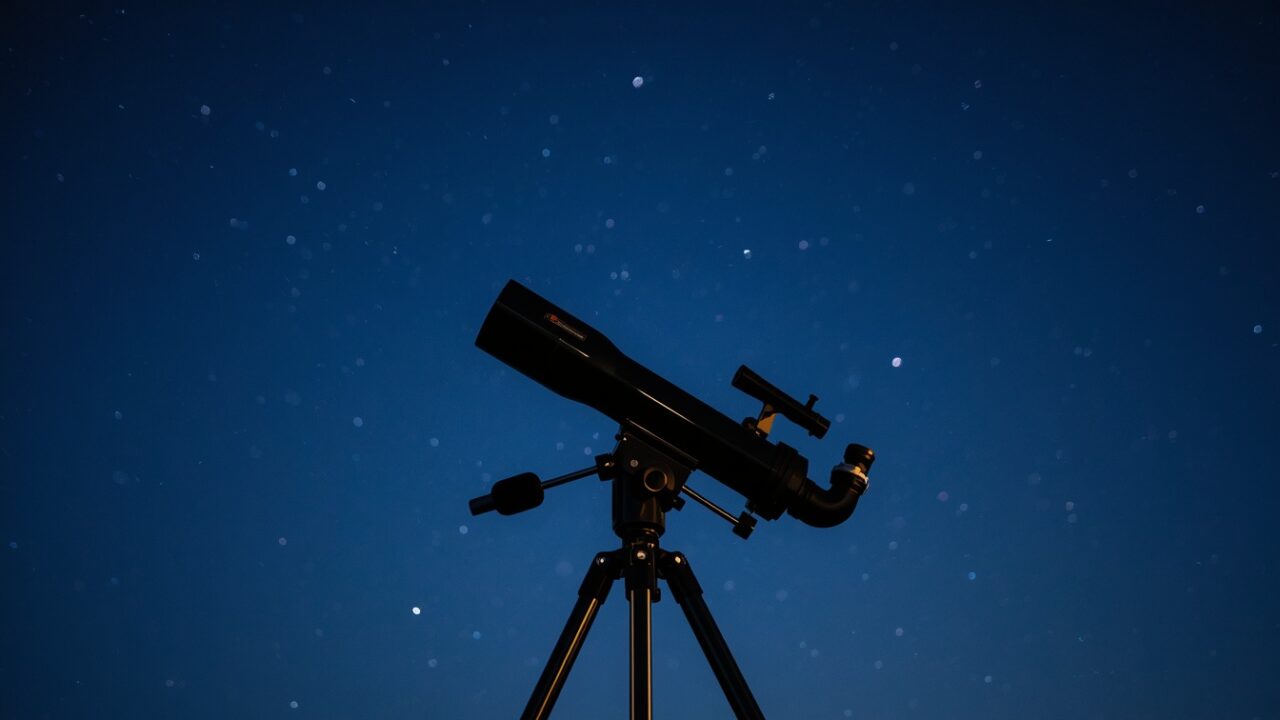
Small apochromatic refractors, typically in the 60-80mm range, frequently appear in Best budget telescope 2026 astrophotography recommendations, offering solid image quality and low maintenance requirements at accessible price points for beginning astrophotographers.
Combining a DSLR With a Star Tracker
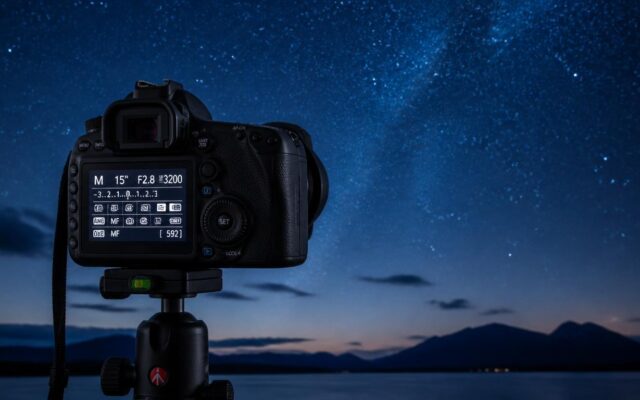
For those seeking the most budget-conscious starting point, the guide suggests skipping a dedicated telescope entirely at first, instead pairing an existing DSLR camera with an affordable star tracker mount for wide-field imaging.
Used and Refurbished Equipment Options
Exploring the used telescope market represents a smart strategy within the approach, since well-maintained secondhand equipment from reputable sellers often provides significantly better value than new budget-tier alternatives.
Avoiding Common Budget Telescope Pitfalls
The guide warns against telescopes marketed primarily on high magnification numbers, since these specifications matter far less for astrophotography than aperture size and mount tracking accuracy, common areas where truly budget department-store telescopes fall short.
Balancing Aperture and Portability
While larger apertures gather more light, the guide notes that overly large, heavy telescopes can become impractical for beginners without adequate transportation or storage space, making moderate 70-100mm apertures a practical starting sweet spot.
Building Your Setup Incrementally
Rather than purchasing every accessory at once, the guide recommends starting with core essentials — telescope or lens, mount, and camera — before gradually adding filters, guide scopes, and other specialized equipment as skills and budget allow.
What You Can Realistically Spend
A realistic entry-level astrophotography setup often starts around a few hundred dollars for a camera, lens and star tracker, and rises to over a thousand dollars for a small telescope on a computerized equatorial mount. Prices vary by region and change with market conditions.
The choice depends on what you already own. If you have a camera, you can put more of your budget toward the mount and optics. If you are starting from scratch, a smart telescope may offer the lowest total cost.

Smart Telescopes on a Budget
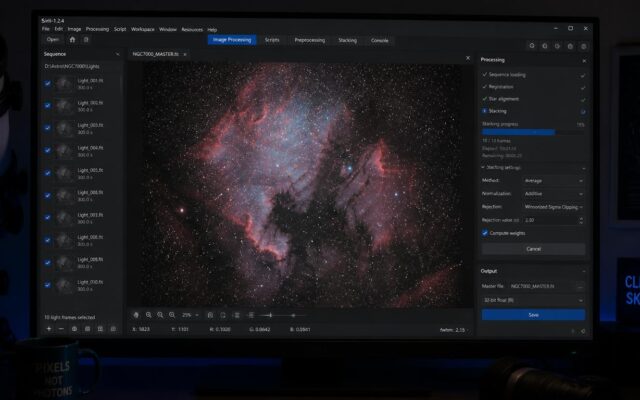
Smart telescopes like the ZWO Seestar S50 have become popular entry points because they combine a telescope, camera, mount and processing in one unit. They require no separate computer and handle alignment and stacking automatically.
Their small aperture limits detail, but they can capture recognizable images of bright nebulae and galaxies within minutes. For people unsure whether they will stick with the hobby, they are a low-risk way to start.
Entry-Level Equatorial Mounts
Mounts like the Sky-Watcher EQM-35 and the iOptron CEM26 are often recommended for beginners moving beyond star trackers. They can carry small refractors and cameras with enough accuracy for long exposures when paired with guiding.
Heavier mounts like the Sky-Watcher HEQ5 are a popular upgrade path, offering more capacity and stability. Buying a mount with some spare capacity gives room to grow without replacing it later.
The Role of Guiding on a Budget
Guiding greatly improves tracking accuracy and allows longer exposures. A basic guiding setup includes a small guide scope and a guide camera, often costing less than the mount itself.
Free software like PHD2 handles guiding, making it accessible for beginners. Adding guiding is one of the most cost-effective upgrades you can make.
Hidden Costs to Plan For
Beyond the telescope and mount, budget for power supplies, cables, dew heaters, filters and a laptop or control device. These extras can add a significant amount to your total cost.
Planning for these costs upfront avoids surprises and helps you build a complete, working system rather than a collection of incompatible parts.
Where to Find Good Deals
Astronomy retailers often run sales around holidays and major events. The used market, including astronomy forums and online classifieds, can offer significant savings.
Joining a local astronomy club can also help. Members often sell equipment to fellow enthusiasts and can offer advice on what works well in your area.
Upgrade Paths That Make Sense
A good budget setup should allow upgrades over time. Start with a mount that can handle future telescopes, then add guiding, filters and a dedicated astronomy camera as your skills grow.
This incremental approach spreads costs over time and ensures each upgrade meaningfully improves your results.
A Sample Budget Build
A practical budget build starts with a camera you already own, a small 60 to 72 millimeter refractor, a basic field flattener and an entry-level equatorial mount. Add a guide scope and guide camera later when you want longer exposures.
This kind of setup, bought partly used, can capture the Orion Nebula, Andromeda Galaxy and many bright nebulae in impressive detail. The beginners can choose is often a modest refractor on a good mount rather than a large telescope on a weak one.
When to Stop Upgrading
Many astrophotographers fall into the trap of constant upgrades. Better results usually come from spending more nights imaging and learning processing, not from buying more equipment. Set a clear goal for each upgrade, such as longer exposures or smaller targets, and buy only what serves that goal.
Budget Priorities in Order
Spend first on a solid mount, then on good optics, then on a guiding setup, and finally on a dedicated astronomy camera. This order gives the biggest improvement for each dollar spent.
Final Thoughts
The guide demonstrates that satisfying results are achievable without major financial investment, provided beginners prioritize mount quality and realistic aperture expectations over flashy but ultimately less important specifications.
Keep exploring with our guides to Best telescope for astrophotography beginners, Beginner telescope buying guide 2026 and Star tracker mount buying guide. For official information, visit NASA’s skywatching tips.
Frequently Asked Questions
What matters more for budget telescopes, aperture or mount?
Mount quality, since accurate tracking is essential for sharp astrophotography results.
Can I start astrophotography without a telescope?
Yes, a DSLR camera paired with a star tracker mount works well for wide-field imaging.
Should I consider used telescope equipment?
Yes, well-maintained secondhand gear often offers better value than new budget alternatives.
What telescope specifications should I avoid prioritizing?
High magnification claims, which matter less for photography than aperture and tracking accuracy.
What’s a practical aperture range for budget telescopes?
Typically 70-100mm, balancing light-gathering capability with portability.
Keep exploring