International Space Station Crew Connects With Artemis II Astronauts During Busy and Inspiring Research Mission in 2026

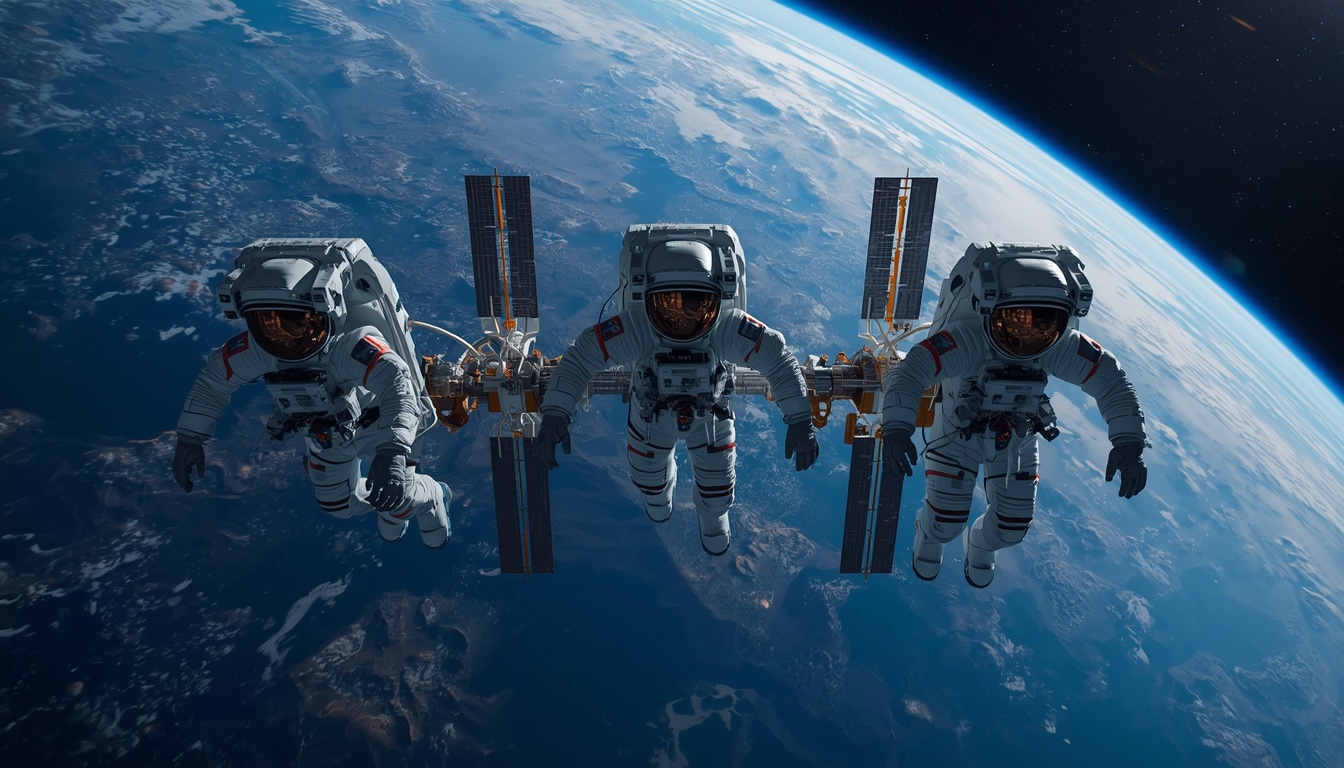
International Space Station Crew Connects With Artemis II Astronauts During Busy and Inspiring Research Mission in 2026
Astronauts aboard the International Space Station recently held a special conversation with the crew of Artemis II after the historic lunar flyby mission. The communication marked an important moment for modern space exploration as astronauts shared experiences from both low Earth orbit and deep space travel.
While the exciting ship-to-ship conversation captured global attention, the Expedition 74 crew aboard the space station also continued their demanding schedule of scientific research, robotic technology experiments, emergency training, and biomedical studies.
The mission highlights how the International Space Station continues to play a major role in preparing humanity for future missions to the Moon, Mars, and beyond.
Artemis II Mission Makes History
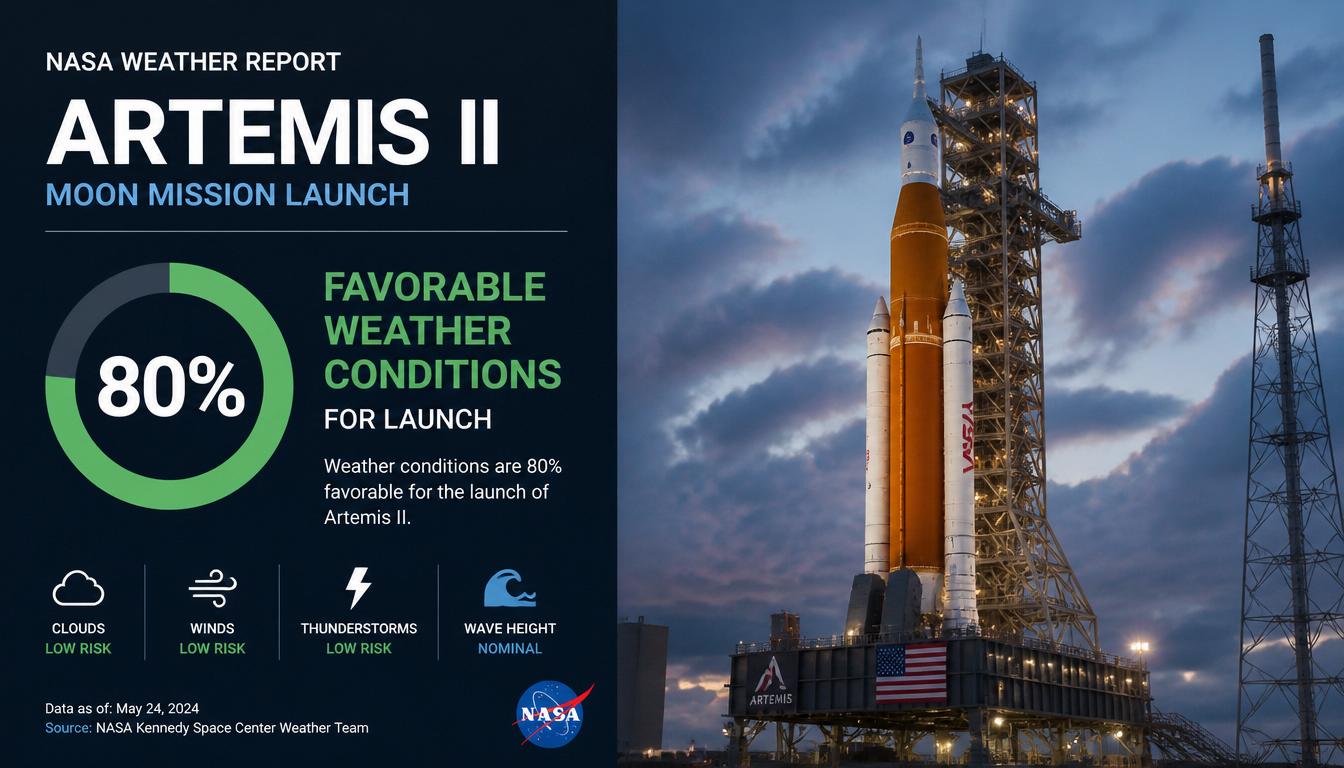
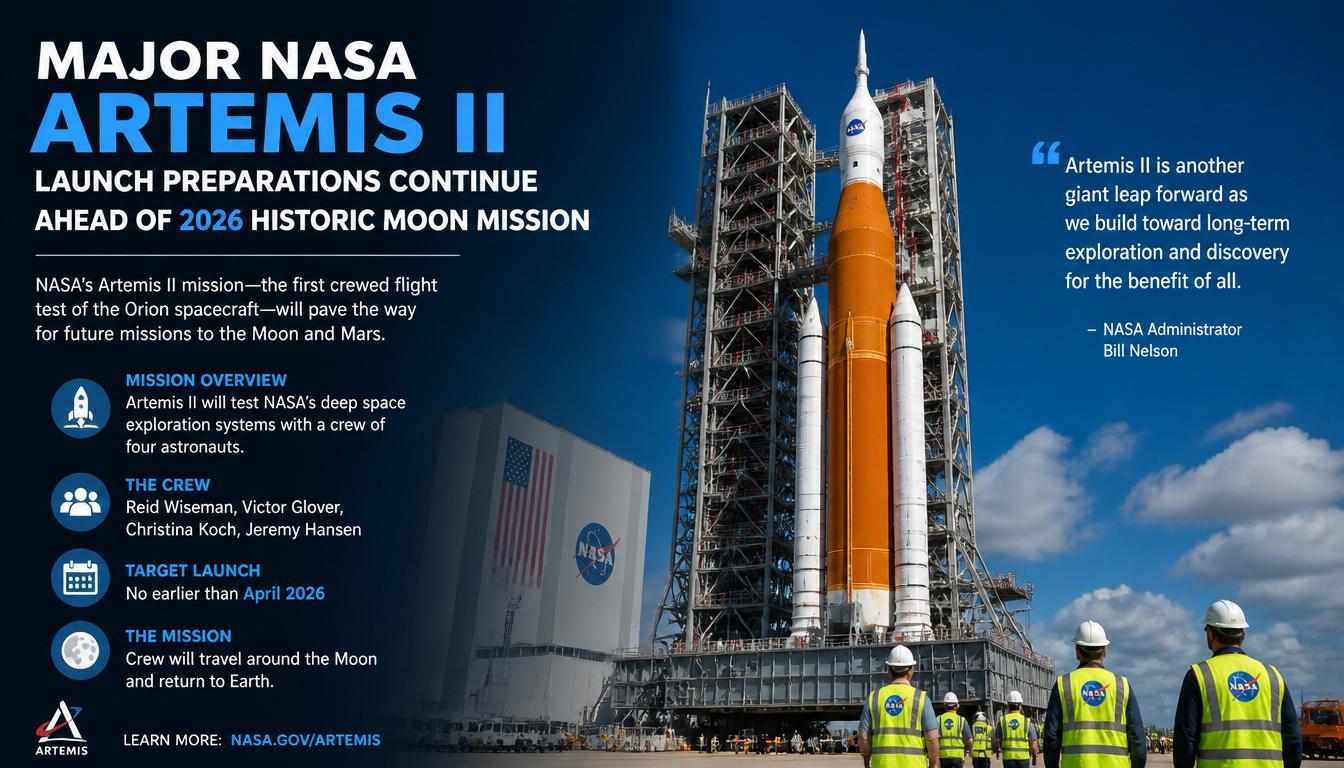
The Artemis II mission represents one of NASA’s most important modern spaceflight programs.
The mission crew includes:
- Reid Wiseman
- Victor Glover
- Christina Koch
- Jeremy Hansen
The astronauts traveled around the Moon aboard the spacecraft Integrity, making Artemis II one of the first crewed lunar missions in decades.
This mission is considered a major step toward future human landings on the Moon through NASA’s Artemis program.
A Special Conversation Between Two Crews
During the communication session, astronauts aboard the International Space Station spoke directly with the Artemis II crew.
The ISS astronauts were curious about:
- The experience of flying beyond Earth orbit
- Differences between spacecraft systems
- Views of the Moon from close range
- Conditions during lunar travel
Meanwhile, the Artemis II astronauts shared their incredible experiences seeing the Moon up close.
Christina Koch, who previously completed spacewalks aboard the ISS, explained that much of the training and knowledge gained on the station helped prepare the crew for deep-space missions.
Her statement highlighted the important role the space station plays in future lunar exploration.
The Importance of the International Space Station
The International Space Station serves as a scientific laboratory orbiting Earth approximately 250 miles above the planet.
Astronauts aboard the station conduct research involving:
- Human health
- Robotics
- Physics
- Biology
- Space technology
- Long-duration spaceflight
The ISS helps scientists understand how humans can survive and work in space for extended periods.
This knowledge is critical for future missions to the Moon and Mars.
Biomedical Research Aboard the Station
One of the biggest priorities aboard the station is astronaut health research.
On this mission day, astronauts conducted detailed biomedical studies to understand how space affects the human body.
Crew members participating included:
- Chris Williams
- Jack Hathaway
- Jessica Meir
- Sophie Adenot
- Andrey Fedyaev
The astronauts performed vein scans using the Ultrasound 3 biomedical device.
The scans were monitored in real time by doctors on Earth.
Why Vein Scans Are Important in Space
Scientists are studying how long-term spaceflight affects blood circulation.
In microgravity, astronauts may develop:
- Blood clots
- Fluid shifts
- Cardiovascular changes
- Vein pressure problems
Researchers specifically examined the possibility of blood clots forming in leg veins that could travel to the lungs.
Understanding these risks is essential for protecting astronauts during future long-duration missions to the Moon and Mars.
Stress and Mental Health Studies in Orbit
Astronaut Jessica Meir also participated in a special ESA-sponsored investigation called RelaxPro.
The experiment studies:
- Stress hormones
- Immune system changes
- Sleep quality
- Emotional health
- Relaxation techniques
Meir collected saliva and hair samples for later analysis on Earth.
Scientists want to understand how isolation and long-term missions affect astronaut mental health.
The research also explores whether mindfulness and meditation can help astronauts manage stress during extended space missions.
Robotic Technology Testing in Space
Another important activity involved testing advanced robotic systems aboard the station.
ESA astronaut Sophie Adenot worked inside the Kibo laboratory module setting up an experimental robotic arm called TUSK.
The TUSK robotic arm is designed for:
- Extremely precise movements
- Sub-millimeter accuracy
- Operations in weightlessness
- Advanced robotic experiments
This technology may support future space station maintenance and robotic operations during deep-space missions.
Cargo Mission Training Continues
NASA astronauts Chris Williams and Jack Hathaway kept up their training for capturing an incoming cargo spacecraft.
The astronauts practiced using the Canadarm2 robotic system to capture the Cygnus XL resupply spacecraft.
Cargo missions are vital because they deliver:
- Food
- Scientific equipment
- Medical supplies
- Spare parts
- Research experiments
The Cygnus XL mission was scheduled to launch aboard a SpaceX Falcon 9 rocket.
Astronauts use computer simulations to prepare for docking operations before real spacecraft arrivals.
Emergency Preparedness Training
Astronaut safety remains a major priority aboard the space station.
Crew members regularly practice emergency procedures for situations such as:
- Fire
- Air leaks
- Equipment failure
- Pressure loss
- Medical emergencies
The astronauts used computer simulations and reviewed emergency tools and response methods.
Training ensures the crew can react quickly during dangerous situations in space.
Russian Cosmonauts Conduct Teamwork Research
Roscosmos cosmonauts Sergey Kud-Sverchkov and Sergei Mikaev also participated in research studies.
One experiment focused on:
- Team cooperation
- Psychology
- Problem-solving under stress
- Group adaptation in space
Researchers observed how astronauts work together while completing increasingly difficult computer tasks.
These studies may improve crew training for future Moon and Mars expeditions.
Exercise and Physical Fitness in Space
Maintaining physical fitness is critical during long-term space missions.
Because astronauts live in microgravity, muscles and bones weaken over time.
To counter these effects, astronauts perform daily exercise routines.
During the study:
- Kud-Sverchkov used a stationary exercise bike
- Electrodes monitored body activity
- Blood pressure was measured
- Fitness responses were analyzed
This research helps scientists design better exercise programs for future explorers.
European Robotic Arm Training
Cosmonaut Andrey Fedyaev continued learning to operate the European Robotic Arm inside the Nauka science module.
The robotic arm can assist with:
- Equipment movement
- Spacewalk support
- Scientific operations
- External station maintenance
Fedyaev practiced using both primary and backup systems while testing all robotic joints and movement controls.
Advanced robotics will play a major role in future deep-space exploration missions.
How ISS Research Supports Future Moon Missions
Almost every experiment aboard the space station directly contributes to future exploration programs.
Research from the ISS helps scientists understand:
- Human survival in deep space
- Long-term health effects
- Spacecraft operations
- Robotics in microgravity
- Psychological adaptation
- Emergency preparedness
The Artemis II mission especially benefits from decades of ISS research and astronaut experience.
NASA views the space station as a testing ground for future lunar and Martian missions.
Conclusion
The recent communication between the International Space Station crew and the Artemis II astronauts highlighted a historic moment in modern space exploration. While Artemis II pushes humanity farther into deep space, the ISS continues providing essential scientific knowledge that makes those missions possible.
From biomedical studies and robotic experiments to emergency training and psychological research, astronauts aboard the station are helping prepare for humanity’s next giant leap toward the Moon and Mars.
As NASA and its international partners continue advancing space technology, the collaboration between lunar missions and the ISS will remain critical for the future of human space exploration.
Frequently Asked Questions (FAQs)
What is Artemis II?
Artemis II is a NASA mission with a crew that is intended to send astronauts on a flight around the Moon.
Who are the Artemis II astronauts?
Reid Wiseman, Victor Glover, Christina Koch, and Jeremy Hansen are the members of the crew.
What is the International Space Station?
The ISS is a scientific laboratory orbiting Earth where astronauts conduct research and technology experiments.
Why do astronauts perform vein scans in space?
Scientists study blood circulation changes and possible blood clot risks caused by microgravity.
What is the RelaxPro experiment?
RelaxPro is a study investigating stress, sleep quality, and mental health during long-duration space missions.
What is Canadarm2?
Canadarm2 is a robotic arm used aboard the ISS to capture spacecraft and move equipment.
Why is exercise important for astronauts?
Exercise helps prevent muscle and bone loss caused by microgravity.
What is the TUSK robotic arm?
TUSK is an experimental robotic arm being tested for highly precise movement in space.
How does ISS research help Moon missions?
The ISS helps scientists study astronaut health, robotics, and long-term space survival needed for lunar exploration.
Why is teamwork research important in space?
Future Moon and Mars missions will require astronauts to work together effectively during stressful situations.
Read another articles
Keep exploring
1 comment