Successful NASA Continues Detailed Artemis II Moon Rocket Preparations Ahead of Historic 2026 Launch

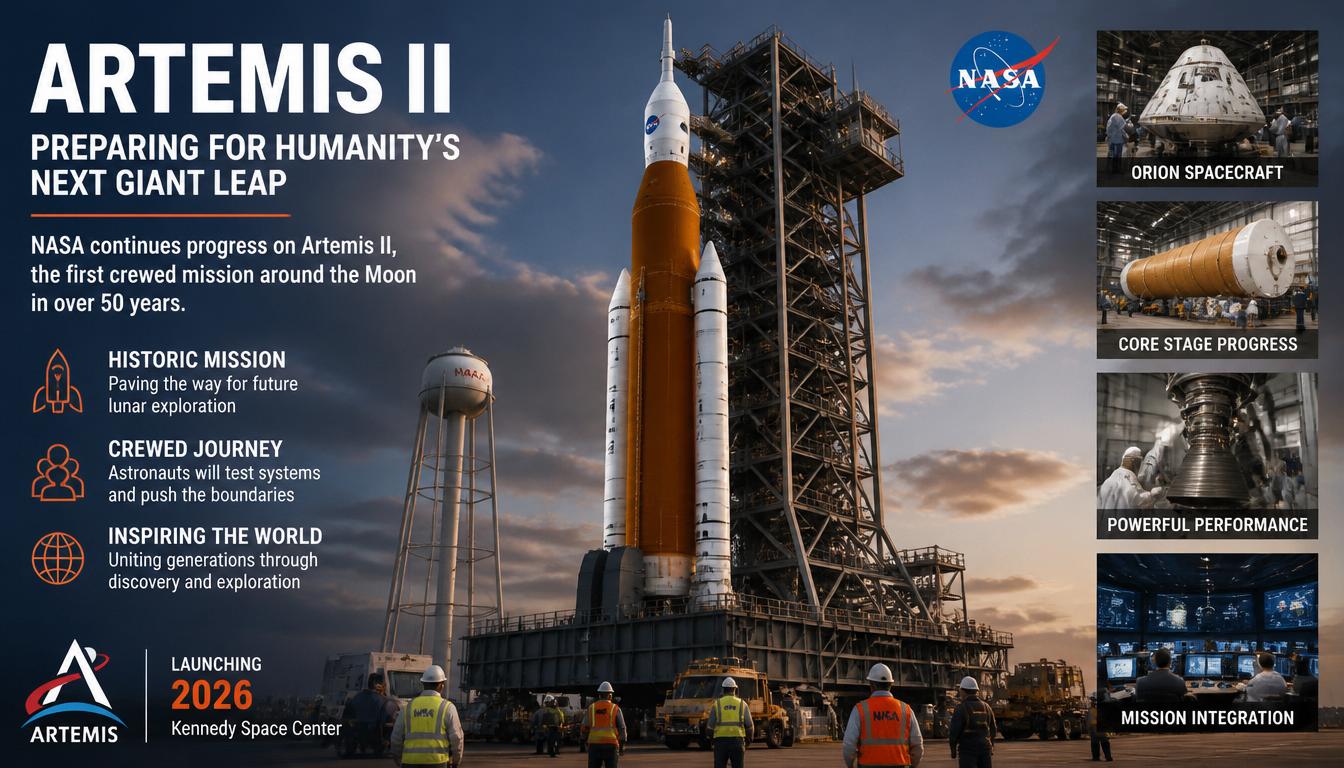
Successful NASA Continues Detailed Artemis II Moon Rocket Preparations Ahead of Historic 2026 Launch
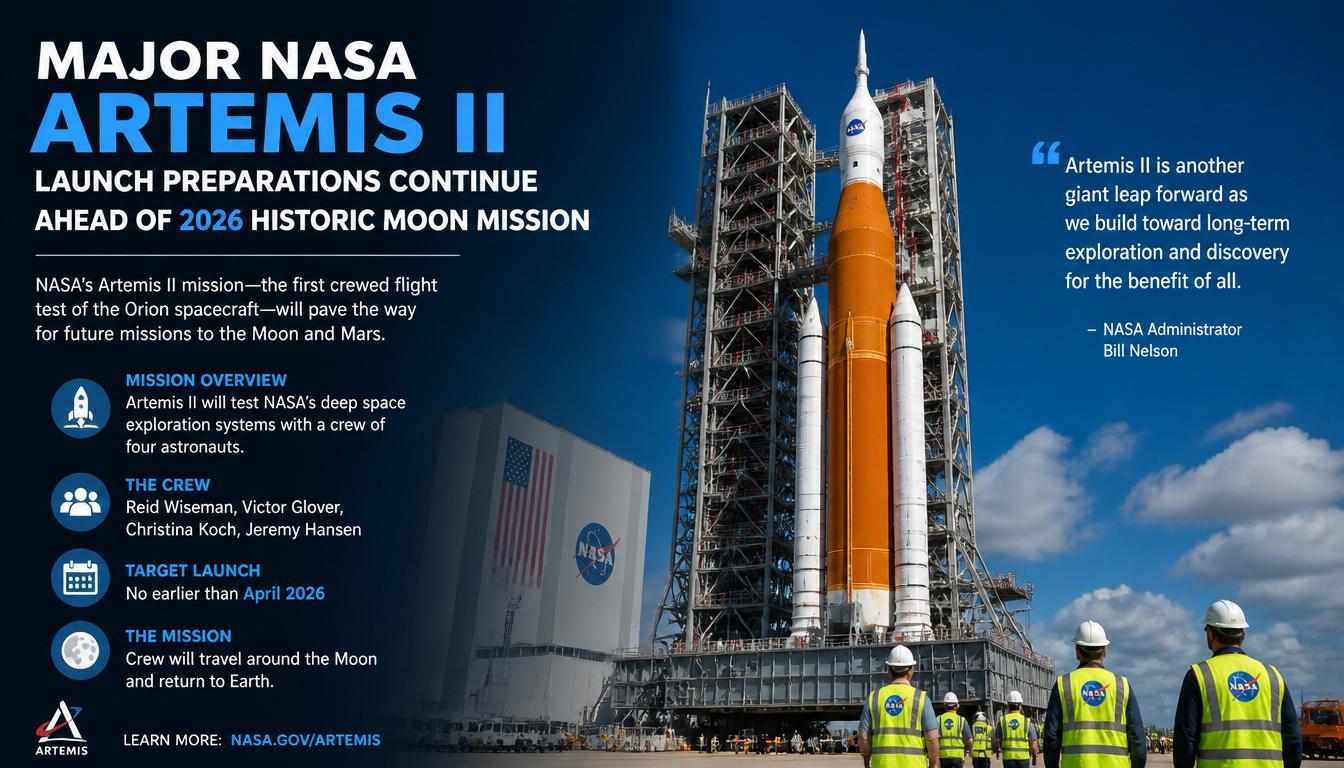
NASA’s Artemis II mission is moving closer to launch as teams at Kennedy Space Center in Florida continue a carefully planned series of final preparations. The mission, which will be the first crewed flight of NASA’s Space Launch System (SLS) rocket and Orion spacecraft, is scheduled for liftoff no earlier than 6:24 p.m. EDT on Wednesday, April 1.
As the countdown advances, engineers, technicians, and mission controllers are performing critical system checks, weather monitoring, and crew safety preparations to ensure everything is ready for humanity’s return to deep space.
Artemis II Countdown Progresses Toward Launch Day
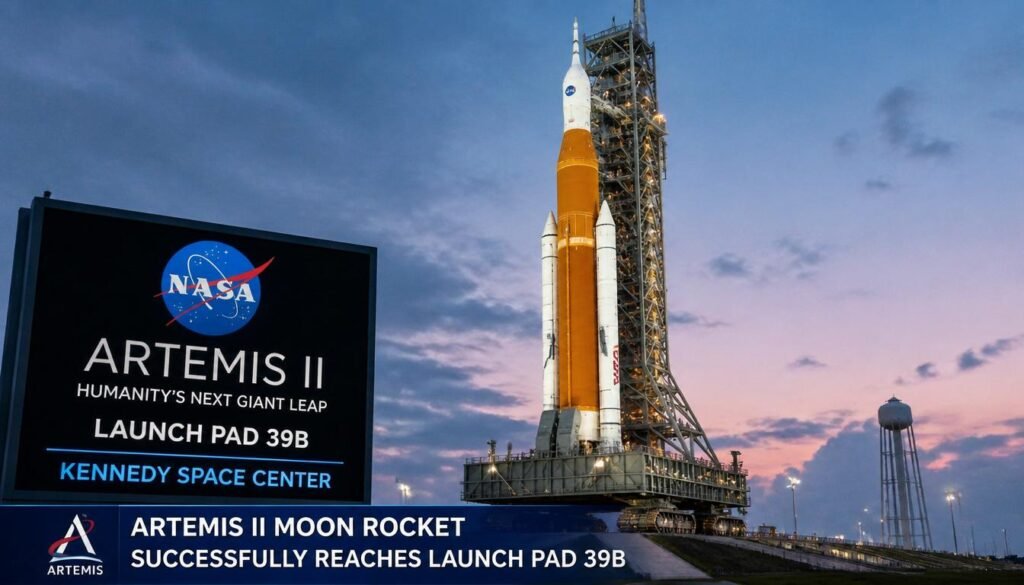
The Artemis II countdown is now in its most active phase, with launch teams completing tightly scheduled operations at Launch Complex 39B.
Every system of the rocket and spacecraft is being tested step by step to ensure complete readiness. These operations include hardware activation, propulsion checks, and communication system verification.
NASA’s goal during this phase is simple but extremely important: ensure that every component is fully prepared for safe launch and deep-space travel.
Weather Monitoring Shows Strong Launch Potential
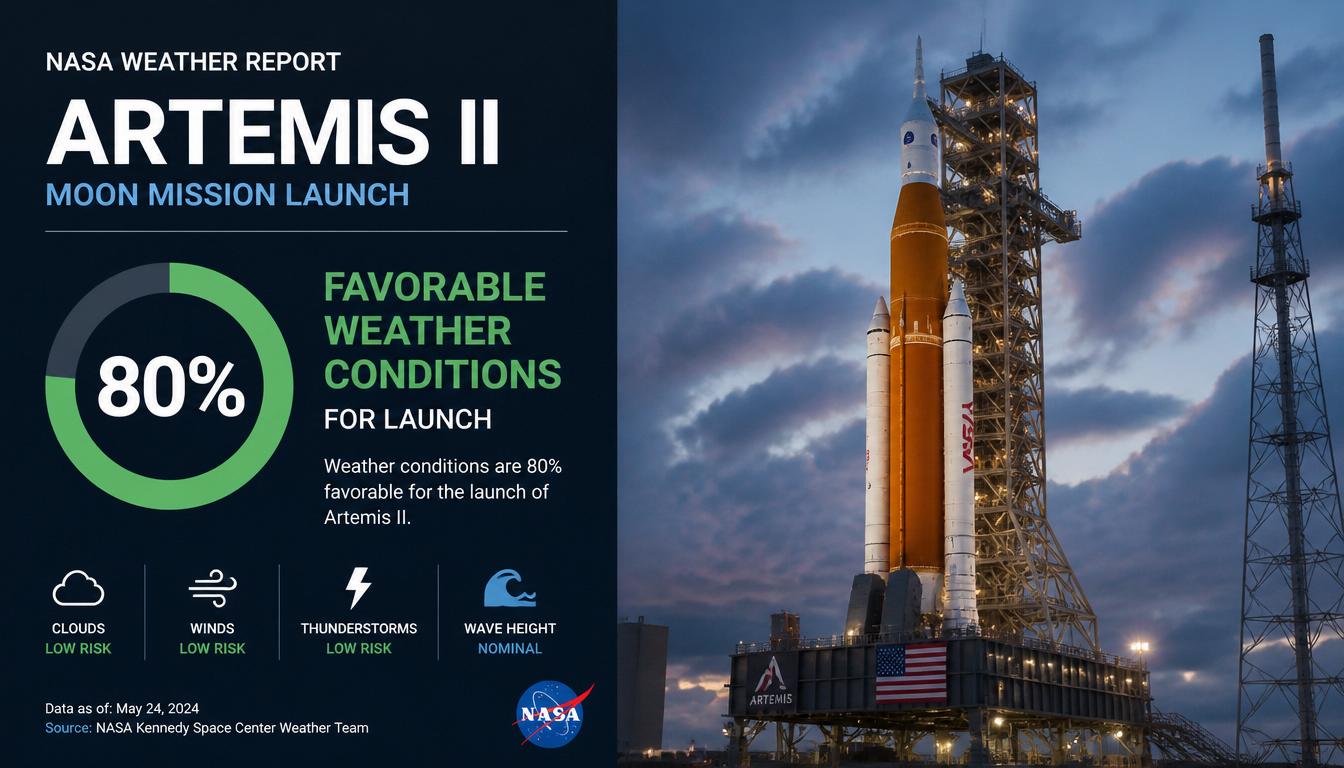
Weather continues to play a critical role in determining launch success. According to the latest forecast, there is an 80% chance of favorable conditions for launch day.
Key Weather Concerns Include:
- Cumulus clouds forming close to the launch site
- Ground-level wind speeds
- Solar weather activity
- Atmospheric stability
NASA works closely with weather officers from the U.S. Space Force’s Space Launch Delta 45 to continuously track conditions.
Even minor changes in weather can delay a launch because safety remains the top priority for all human spaceflight missions.
RS-25 Engine Health Checks Completed Successfully
Engineers have completed important health checks on the four RS-25 engines powering the SLS core stage.
These inspections confirmed that:
- Engine sensors are functioning correctly
- Electrical connections are stable
- Diagnostic systems are fully operational
The RS-25 engines are the same type originally used in the Space Shuttle program but have been upgraded for Artemis missions. They play a major role in lifting the rocket out of Earth’s atmosphere.
Upper Stage Safely Powered Down After Testing
The Interim Cryogenic Propulsion Stage (ICPS), also known as the upper stage, completed its power-up and verification procedures earlier in the countdown.
After successful testing, the system was safely powered down into a stable configuration. This ensures it remains secure and ready for activation during the final launch sequence.
Orion Spacecraft Batteries Fully Charged for Mission
The Orion spacecraft’s flight batteries have now been fully charged, ensuring reliable power for:
- Avionics systems
- Life-support systems
- Communication equipment
- Navigation controls
This step is essential because Orion must operate independently during deep-space travel, where real-time support from Earth is limited.
Core Stage Batteries and Systems Being Activated
In parallel with Orion preparations, engineers have begun charging the core stage flight batteries of the SLS rocket.
These batteries support:
- Flight control systems
- Sensors and telemetry
- Guidance systems
- Engine operations
Without these systems, the rocket cannot safely monitor or control itself during launch and ascent.
Astronaut Suit Safety Checks Inside Orion
As launch preparations move closer to crew operations, engineers have conducted pressure suit regulator leak checks inside the Orion spacecraft.
These tests confirm that astronaut suits:
- Maintain airtight seals
- Regulate internal pressure correctly
- Protect against cabin depressurization
- Function properly in emergency conditions
Such safety checks are essential to protect the crew in rare but critical failure scenarios.
Launch Pad 39B shifts into its final setup phase
At Launch Complex 39B, NASA is now transitioning the pad into its final launch-ready configuration.
Key Actions Include:
- Removing non-essential personnel
- Securing critical access zones
- Preparing cryogenic fueling systems
- Ensuring emergency safety protocols
Clearing the launch area reduces risk and allows only essential engineers to remain during final operations.
Ground Launch Sequencer Activated Before Liftoff
In the early hours of launch day, NASA will activate the Ground Launch Sequencer (GLS).
This advanced automated system is responsible for:
- Managing countdown commands
- Controlling valve operations
- Coordinating system transitions
- Triggering final launch steps
The GLS ensures precise timing and coordination during the final seconds before liftoff.
Nitrogen Purge System Activated for Safety
Engineers will also begin an important safety process called the air-to-gaseous nitrogen changeover.
This involves replacing oxygen-rich air inside rocket cavities with inert nitrogen gas.
Why This Step Matters:
- Prevents fire risks
- Reduces moisture inside systems
- Stabilizes internal environment
- Protects sensitive equipment
This process ensures the rocket remains in a safe condition before fueling begins.
Artemis II Crew Ready for Historic Moon Mission
The Artemis II mission will send four astronauts on a 10-day journey around the Moon:
- Reid Wiseman — Commander
- Victor Glover — Pilot
- Christina Koch — Mission Specialist
- Jeremy Hansen, a Mission Specialist representing the Canadian Space Agency
This mission will be the first crewed flight of the Artemis program and the first time humans travel around the Moon in over 50 years.
NASA Launch Broadcast Coverage Details
NASA will provide live coverage of the Artemis II launch operations across multiple platforms.
Broadcast Schedule:
- 7:45 a.m. EDT — Fueling (tanking) coverage begins on NASA YouTube
- 12:50 p.m. EDT — Full launch coverage begins on NASA+, Amazon Prime, and YouTube
NASA also provides updates through social media and official mission channels.
Public Viewing and Visibility of Launch
The Artemis II launch will be visible from parts of Florida and southern Georgia, depending on weather and atmospheric conditions.
Skywatchers in nearby regions may see:
- Bright rocket ascent trail
- Engine plume at liftoff
- High-altitude flight path visibility
NASA has provided viewing maps to help the public track the best observation locations.
Importance of Artemis II in Space Exploration
Artemis II is not just a test flight—it is a major step toward long-term human exploration of space.
The mission will help NASA evaluate:
- Deep-space navigation systems
- Life-support performance
- Crew safety procedures
- Communication reliability
- Spacecraft integration systems
This mission directly supports future Moon landing missions under the Artemis program.
Artemis Program and Future Goals
NASA’s Artemis program aims to establish a sustainable human presence on and around the Moon.
Future goals include:
- Lunar surface missions
- Gateway space station development
- Long-term Moon exploration
- Preparation for Mars missions
Artemis II is a critical step in achieving these long-term objectives.
Frequently Asked Questions (FAQs)
What is Artemis II?
Artemis II is NASA’s first crewed mission under the Artemis program that will send astronauts around the Moon and back to Earth.
What is the planned launch date for Artemis II?
The earliest possible launch date for the mission is April 1, 2026.
What rocket is used in Artemis II?
NASA’s Space Launch System (SLS) rocket is used along with the Orion spacecraft.
Why are engine health checks important?
They ensure that all RS-25 engines are fully functional and safe for launch.
What is the Ground Launch Sequencer?
It is an automated system that manages final countdown operations before liftoff.
Why is nitrogen used before launch?
Nitrogen replaces oxygen inside rocket systems to prevent fire hazards and moisture buildup.
Who are the Artemis II astronauts?
The crew includes Reid Wiseman, Victor Glover, Christina Koch, and Jeremy Hansen.
How long will Artemis II last?
The mission will last approximately 10 days.
Conclusion
NASA’s Artemis II mission is now entering its most critical phase as engineers, astronauts, and mission controllers prepare for launch. With weather conditions showing strong potential, systems performing as expected, and final safety checks underway, the mission is steadily approaching liftoff.
Artemis II represents a historic step toward returning humans to deep space and building the foundation for future Moon and Mars exploration.
read another articles
Keep exploring