NASA’s Northrop Grumman CRS-24 Cargo Mission Successfully Prepares for Launch to the International Space Station

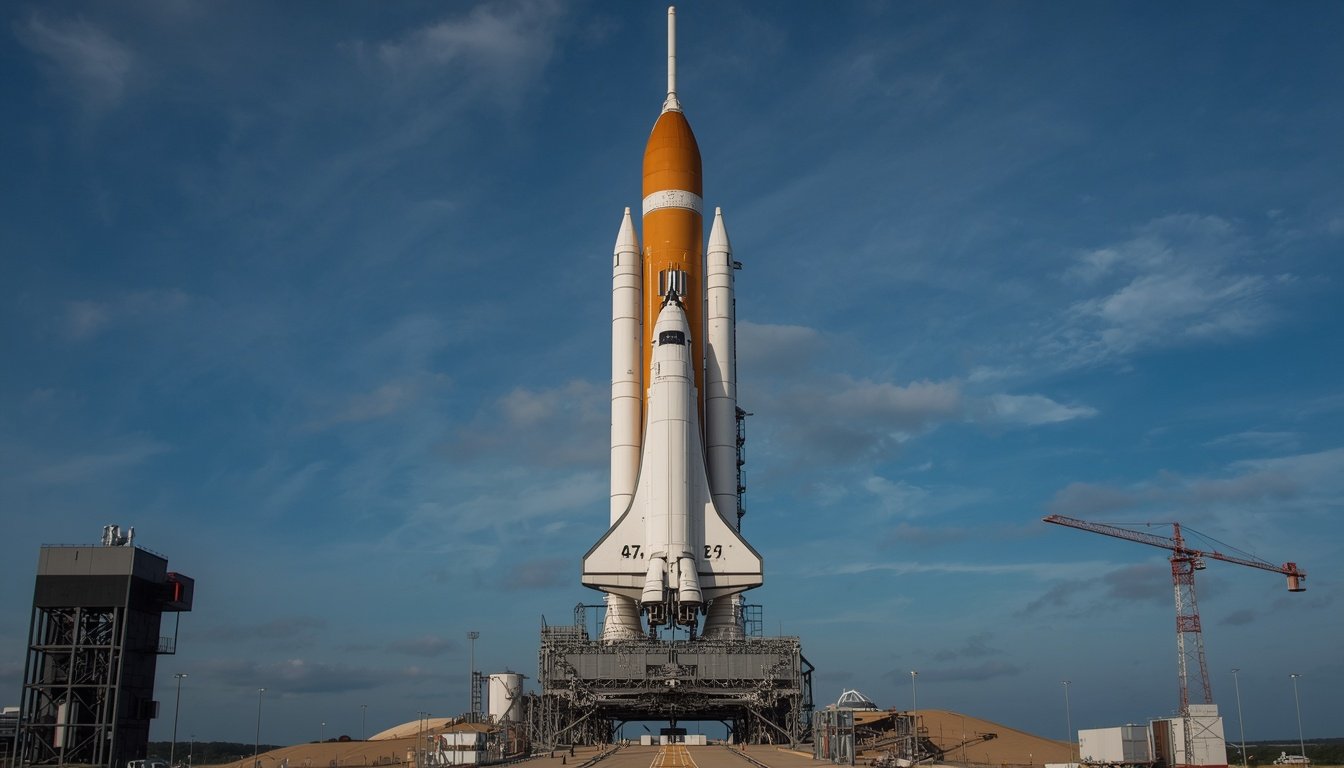
NASA’s Northrop Grumman CRS-24 Cargo Mission Successfully Prepares for Launch to the International Space Station
Introduction
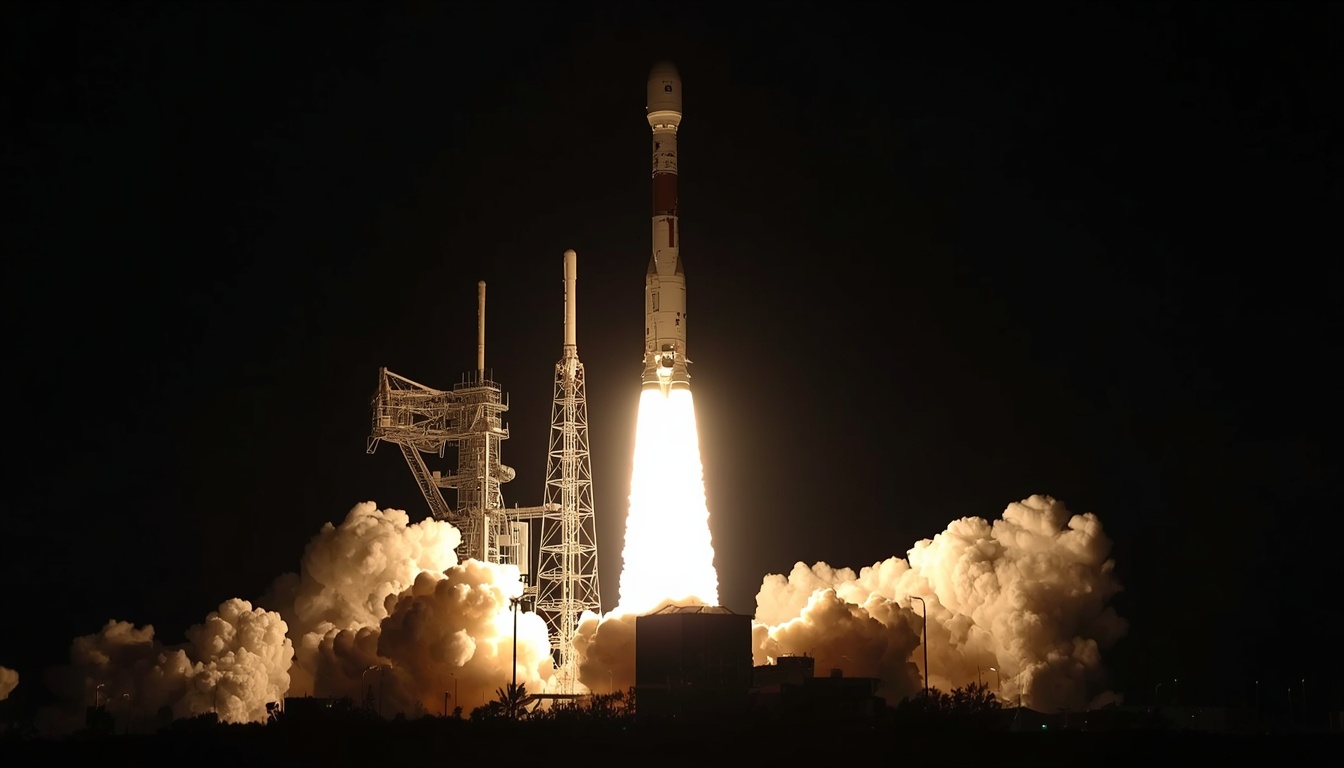
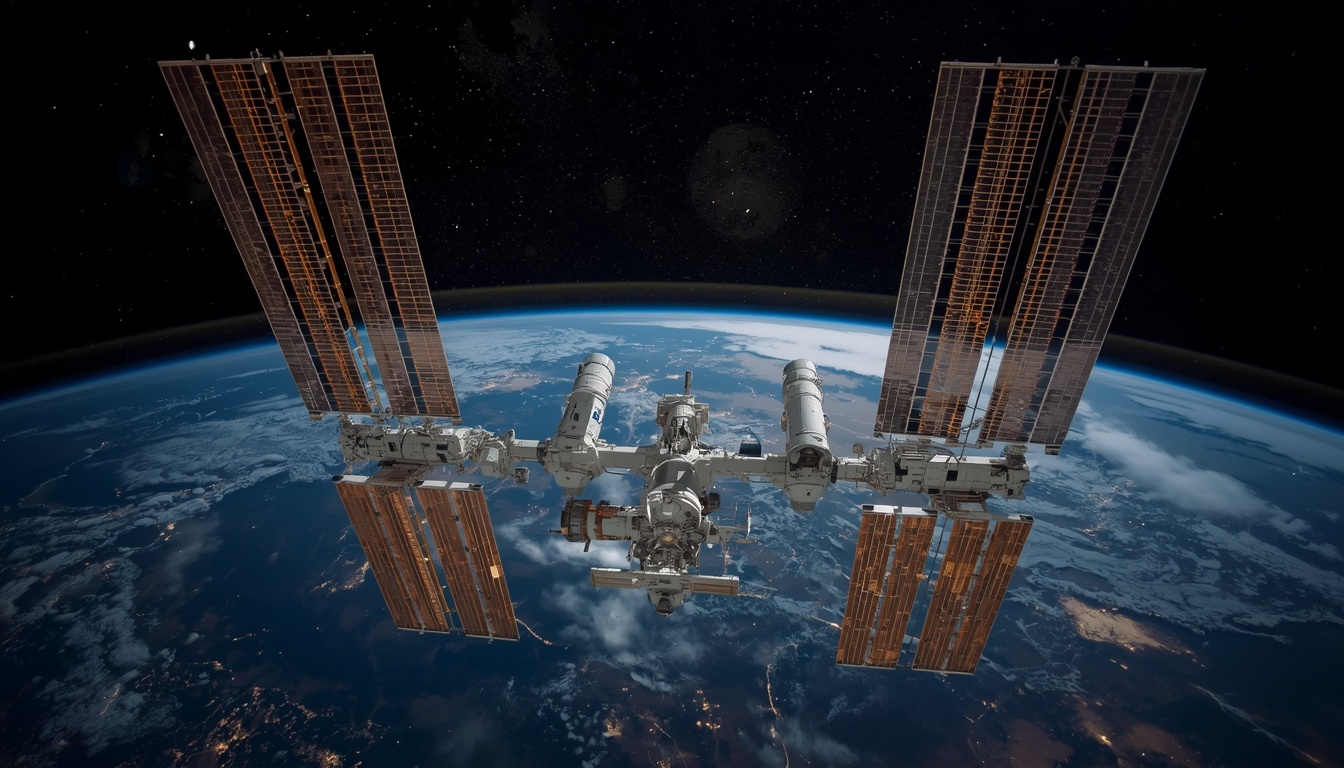
NASA and its international partners are preparing for another important cargo mission to the International Space Station as the Northrop Grumman CRS-24 resupply mission targets launch aboard a Falcon 9 rocket.
The mission will deliver thousands of pounds of scientific equipment, food, crew supplies, and technology experiments to astronauts currently living aboard the orbiting laboratory. While preparing for the arrival of the Cygnus XL cargo spacecraft, the Expedition 74 crew also remained busy conducting health research, station maintenance, emergency training, and scientific operations.
This mission highlights the ongoing international cooperation required to support long-term human spaceflight and scientific exploration in orbit.
What Is the CRS-24 Mission?
CRS-24 stands for Commercial Resupply Services Mission 24.
NASA works with private aerospace companies to regularly send cargo missions to the space station. These missions are essential because astronauts aboard the ISS depend on regular deliveries for survival and scientific work.
The CRS-24 mission involves:
- A Cygnus XL cargo spacecraft
- A Falcon 9 launch rocket
- More than 11,000 pounds of cargo
- Scientific equipment and supplies
- Food and crew necessities
The cargo spacecraft is designed to transport materials safely to the ISS and support astronauts during long-duration missions.
Why the Launch Was Delayed
Originally, the launch was scheduled for April 10. However, mission managers delayed the launch because of poor weather conditions near Cape Canaveral Space Force Station in Florida.
Weather is extremely important during rocket launches because conditions such as:
- Strong winds
- Lightning
- Heavy clouds
- Rain
- Electrical activity
can create serious safety risks for both the rocket and mission success.
NASA, SpaceX, and Northrop Grumman decided to move the launch to April 11 to improve safety conditions.
The Role of the Falcon 9 Rocket
The cargo spacecraft will launch aboard the Falcon 9 rocket developed by SpaceX.
Falcon 9 has become one of the world’s most successful reusable rockets.
The rocket is known for:
- Reliable launch performance
- Reusable booster technology
- Cargo and crew transportation
- Frequent ISS missions
- Lower launch costs
Falcon 9 will carry the Cygnus XL spacecraft into orbit before it begins its journey toward the International Space Station.
What Is the Cygnus XL Spacecraft?
The Cygnus XL is an uncrewed cargo spacecraft designed to transport supplies to the ISS.
Cygnus missions typically carry:
- Scientific experiments
- Food supplies
- Clothing
- Medical equipment
- Spare parts
- Technology demonstrations
Unlike crew spacecraft, Cygnus is built purely for cargo transportation.
After completing its mission, the spacecraft usually burns up safely in Earth’s atmosphere while carrying station waste and trash.
How Astronauts Capture the Cargo Spacecraft
Once Cygnus arrives near the ISS, astronauts aboard the station use the Canadarm2 robotic arm to capture the spacecraft.
The process requires:
- Precise timing
- Careful maneuvering
- Robotic arm operations
- Communication with mission control
After capture, the spacecraft is attached to the Unity module’s Earth-facing port for unloading.
This operation is one of the most important robotic procedures performed aboard the ISS.
Expedition 74 Crew Remains Busy
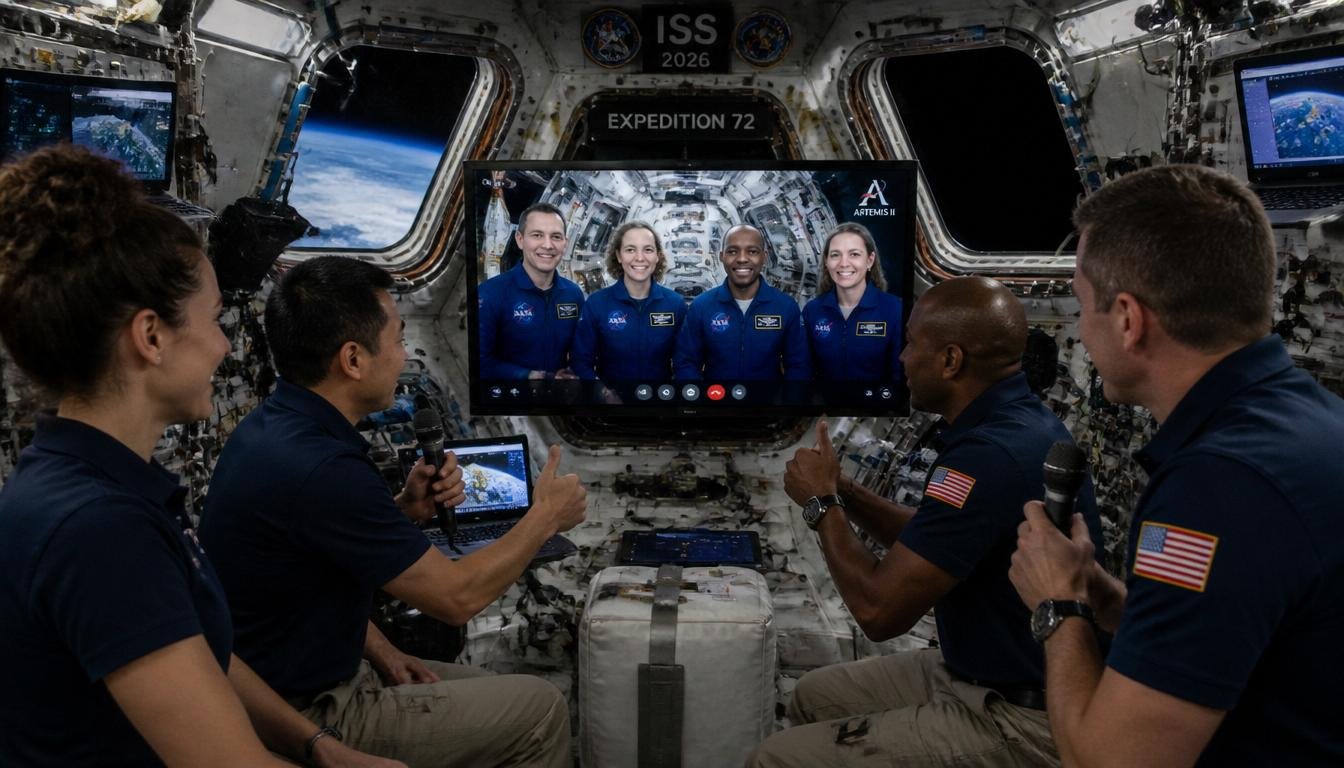
While preparing for the cargo mission, the Expedition 74 astronauts continued their full schedule of daily tasks aboard the station.
The crew focused on:
- Medical research
- Hearing tests
- Eye examinations
- Emergency training
- Inventory management
- Technology experiments
Astronauts living in space must constantly balance scientific research with spacecraft maintenance and personal health monitoring.
Hearing Tests in Space
Three astronauts participated in hearing examinations:
- Jack Hathaway
- Sophie Adenot
- Andrey Fedyaev
The astronauts entered the quiet Quest Airlock and used specialized computer systems and headphones for the tests.
Scientists study hearing in space because:
- Microgravity affects body fluids
- Long missions may influence ear pressure
- Spacecraft noise can impact hearing health
These medical checks help ensure astronauts remain healthy during long-duration missions.
Eye Pressure and Vision Research
Vision problems are one of the major health concerns for astronauts in space.
ESA astronaut Sophie Adenot joined Jessica Meir for eye examinations inside the Columbus laboratory module.
Doctors monitored:
- Eye pressure
- Vision changes
- Eyeball shape
- Fluid pressure around the eyes
Weightlessness can change fluid movement in the body, sometimes causing pressure behind the eyes and vision problems.
Understanding these effects is essential for future Moon and Mars missions.
Research Inside the NanoRacks Bishop Airlock
Jessica Meir and Jack Hathaway also worked inside the NanoRacks Bishop Airlock.
The Bishop Airlock allows equipment and experiments to move between the station interior and the vacuum of space.
The astronauts:
- Removed stored hardware
- Prepared experiment equipment
- Organized payload carriers
- Set up future science activities
The airlock supports commercial and scientific experiments aboard the ISS.
Relaxation and Stress Studies
Astronaut Jessica Meir later participated in a scientific relaxation study focused on:
- Stress reduction
- Calmness
- Better sleep quality
- Mental health in space
Long-term space missions can place enormous psychological pressure on astronauts because of:
- Isolation
- Limited space
- Heavy workloads
- Distance from Earth
Researchers hope relaxation techniques may improve astronaut well-being during future deep-space exploration missions.
Water Safety Technology on the ISS
NASA astronaut Chris Williams collected water samples from the Exploration Potable Water Dispenser.
This technology demonstration aims to:
- Improve water sanitation
- Reduce bacterial growth
- Provide safer drinking water
- Produce hot water for meals
Water recycling and purification are critical technologies for future long-term missions to the Moon and Mars.
Russian Segment Operations and AI Testing
Communication tests between the station and the Progress 93 cargo spacecraft were carried out by Roscosmos cosmonauts Sergey Kud-Sverchkov and Sergei Mikaev.
Later, Kud-Sverchkov tested artificial intelligence tools designed to assist crew operations.
AI systems could help astronauts in the future by:
- Managing spacecraft systems
- Supporting emergency responses
- Monitoring crew health
- Improving mission efficiency
These experiments may play a major role in future autonomous space missions.
Cleaning and Maintenance in Space
Astronauts must constantly maintain the station environment to protect crew health.
Andrey Fedyaev cleaned surfaces inside the Nauka science module to prevent fungal growth.
In space, microorganisms can behave differently because of microgravity conditions.
Regular cleaning helps maintain a safe and healthy living environment for astronauts.
Emergency Drill Aboard the ISS
All seven crew members took part in a complete emergency drill at the end of the day.
The crew practiced:
- Communication procedures
- Emergency coordination
- Safety responses
- Mission control cooperation
Emergency drills help astronauts prepare for situations such as:
- Fire
- Pressure leaks
- Equipment failures
- Medical emergencies
Training is essential because astronauts are far from Earth and must react quickly during dangerous situations.
Conclusion
The upcoming Northrop Grumman CRS-24 cargo mission represents another important step in supporting astronauts aboard the International Space Station. From delivering scientific equipment and supplies to enabling future experiments, cargo missions are essential for maintaining continuous human presence in space.
At the same time, Expedition 74 astronauts continue performing critical scientific research involving human health, robotics, stress management, artificial intelligence, and emergency preparedness.
Together, these efforts are helping NASA and its international partners prepare for future missions to the Moon, Mars, and beyond while advancing scientific knowledge for humanity.
Frequently Asked Questions (FAQs)
What is the CRS-24 mission?
CRS-24 is a NASA cargo resupply mission delivering supplies and scientific equipment to the International Space Station.
Which spacecraft is carrying the cargo?
The cargo is being transported by the Cygnus XL spacecraft.
Which rocket will launch the mission?
The mission will launch aboard a SpaceX Falcon 9 rocket.
Why was the launch delayed?
The launch was postponed because of bad weather conditions near Cape Canaveral.
How much cargo is being delivered?
The mission carries more than 11,000 pounds of supplies and scientific equipment.
What is Canadarm2?
Canadarm2 is the robotic arm used aboard the ISS to capture incoming spacecraft.
Why do astronauts perform hearing and eye tests?
Scientists monitor how spaceflight affects hearing, vision, and overall astronaut health.
What is the NanoRacks Bishop Airlock?
It is a commercial airlock module used for experiments and equipment transfers between the station and outer space.
Why are emergency drills important on the ISS?
Astronauts must be prepared to respond quickly to fires, pressure leaks, or other emergencies in space.
How does this mission support future exploration?
The research and technology aboard the ISS help prepare humans for future missions to the Moon and Mars.
read another article
Keep exploring