Tilting Toward Habitability: How a Planet’s Orbit Can Successfully Support Life in 2026

Tilting Toward Habitability: How a Planet’s Orbit Can Successfully Support Life in 2026
Introduction
Scientists have always wondered why Earth is able to support life while many other planets cannot. Recent NASA-funded research is helping experts better understand how a planet’s orbit, rotation, and tilt affect its habitability. These new findings are improving the search for Earth-like planets beyond our solar system where life may exist.
The study focused on how different orbital conditions influence surface temperatures, seasons, and the ability of life to survive on land. Researchers performed 93 simulations to examine how various planetary characteristics can create either favorable or difficult living conditions.
Understanding Planetary Habitability
Habitability refers to the ability of a planet to support life. For life to exist, a planet needs suitable temperatures, liquid water, and stable environmental conditions. Earth has all these qualities because of its special position and orbital behavior.
Scientists believe that habitability depends on several important factors:
- Distance from the star
- Rotation speed
- Axial tilt
- Length of day and night
- Surface temperature stability
Even small changes in these conditions can make a planet too hot, too cold, or unable to support life.
The Importance of Earth’s Axial Tilt
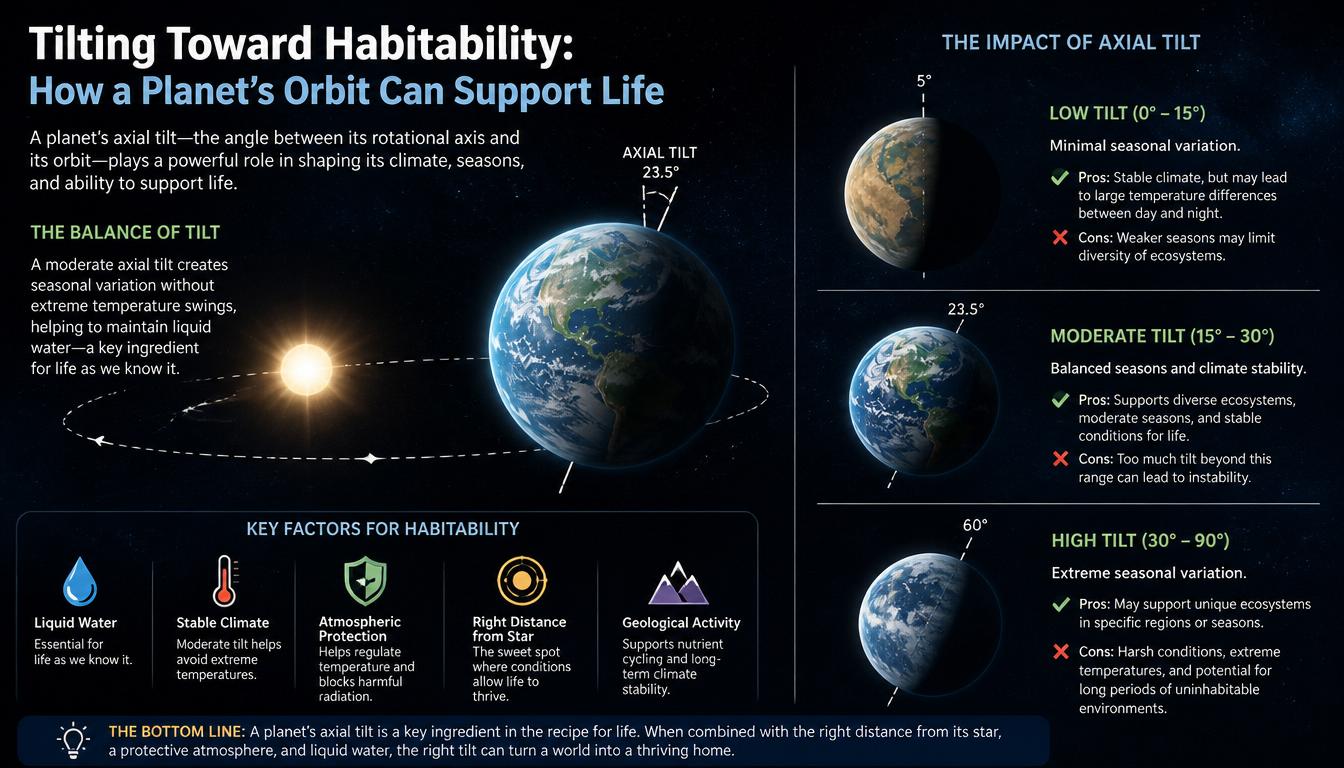
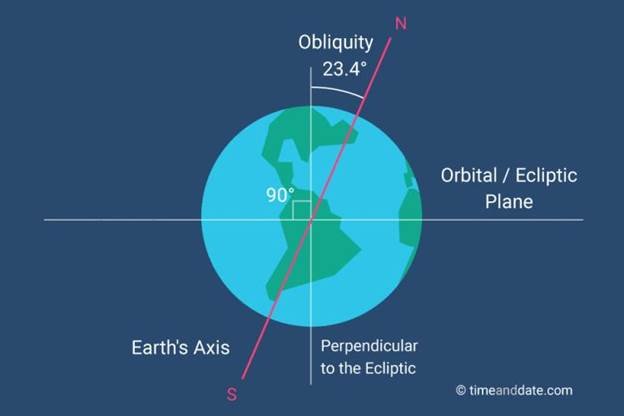
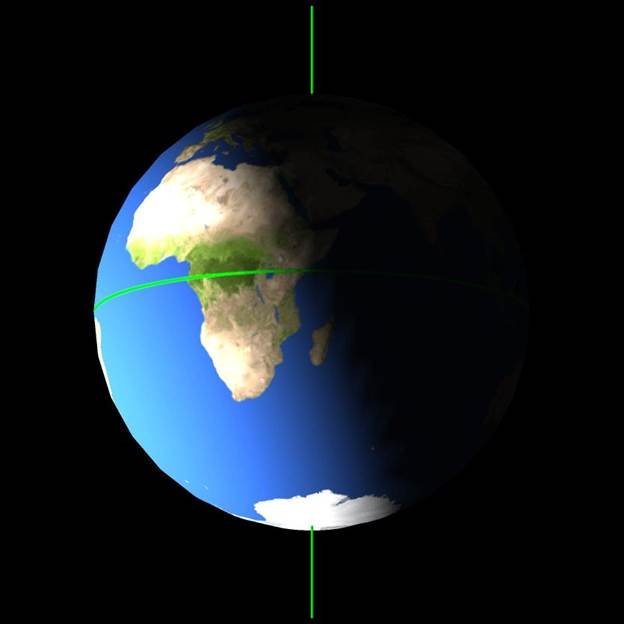
Earth’s axis is tilted by about 23.5 degrees.This tilt is one of the main reasons we experience seasons throughout the year. Without this tilt, many regions on Earth would become extremely hot or extremely cold.
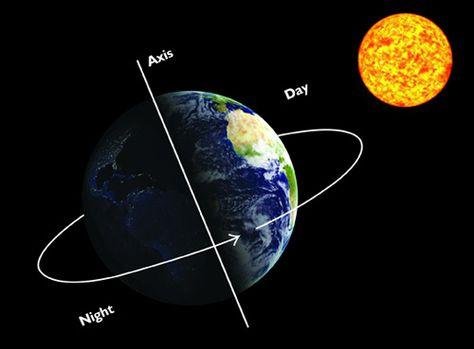
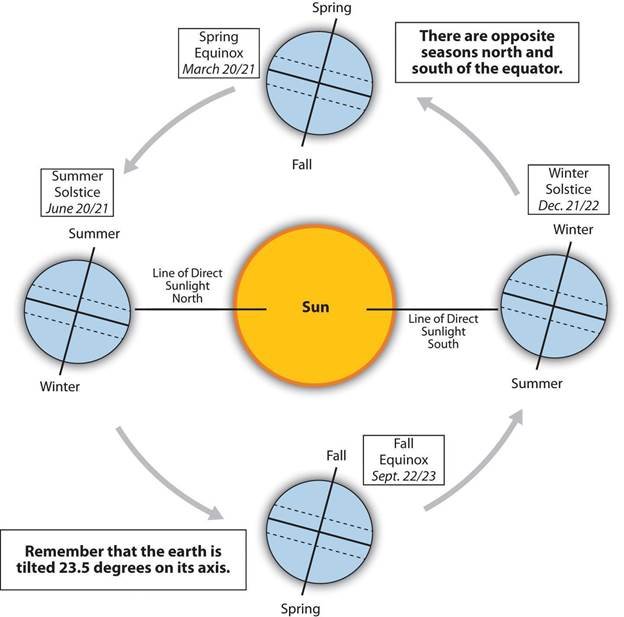
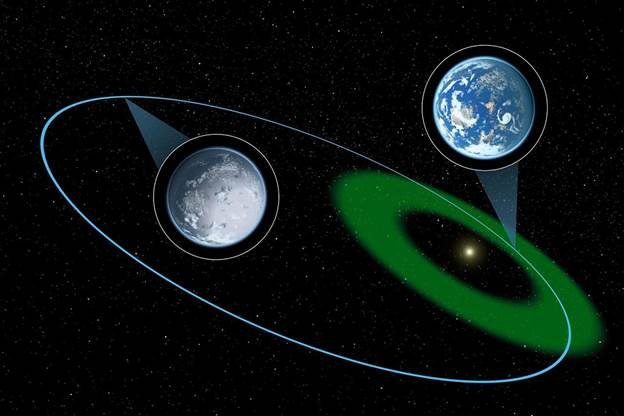
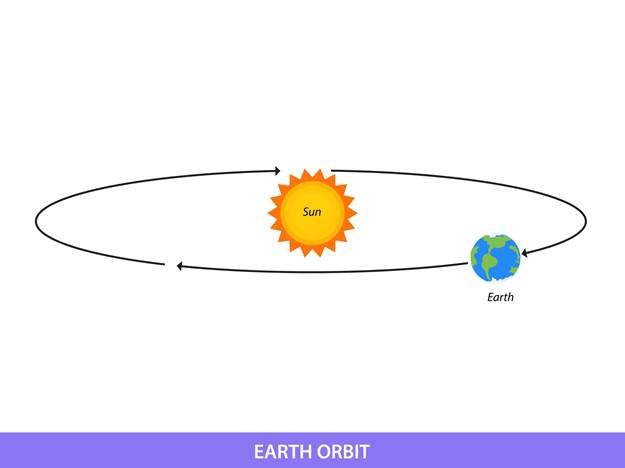
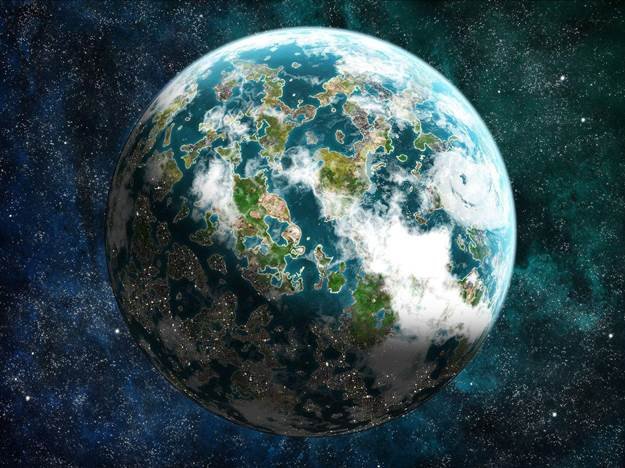
The tilt helps distribute sunlight more evenly across the planet over time. During summer, one hemisphere receives more sunlight, while the other gets less. This balance prevents permanent freezing or overheating in most areas.
Researchers discovered that if a planet’s tilt becomes too large or too small, environmental conditions can become unstable for land-based lifeforms.
Why Planet Rotation Matters
A planet’s rotation determines the length of its day and night cycle. Earth rotates once every 24 hours, creating a balanced temperature system between daytime heating and nighttime cooling.
Scientists found that planets with very slow rotations may struggle to support life. If one day lasts longer than 20 Earth days, the surface can become too cold during extended nights.
Effects of Slow Rotation
- Longer nights create freezing temperatures
- Land loses heat for extended periods
- Climate systems become unstable
- Plant and animal survival becomes difficult
On the other hand, planets with faster rotations may maintain more balanced temperatures. However, their tilt then becomes a more critical factor for climate stability.
The Role of the “Goldilocks Zone”
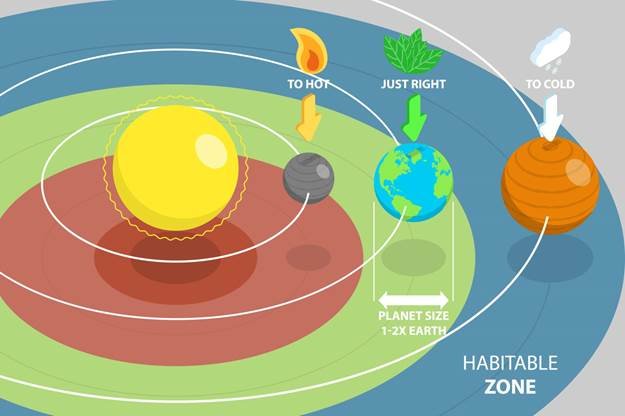
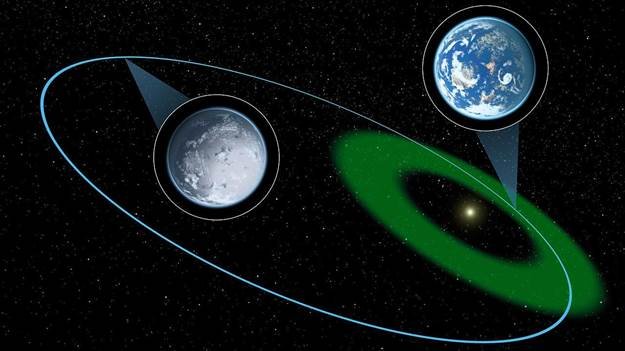
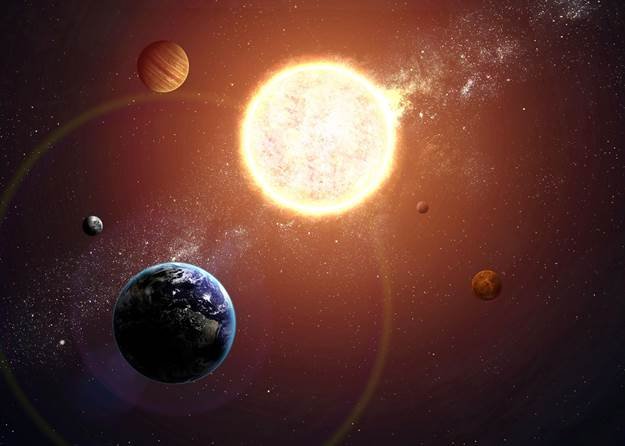
The area surrounding a star where temperatures allow liquid water to exist is known as the ‘Goldilocks Zone,’ and scientists frequently regard it as the key condition for life.
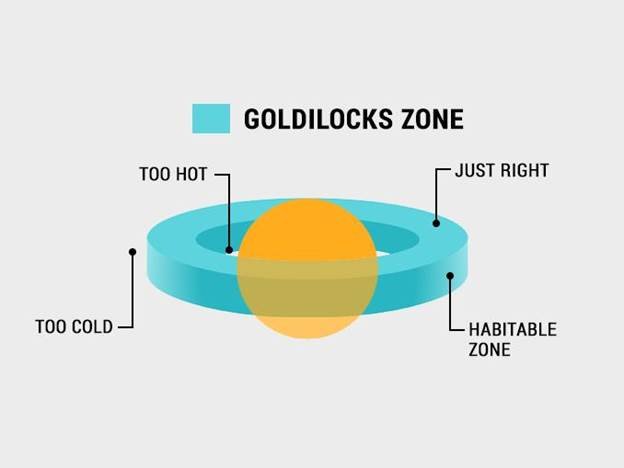
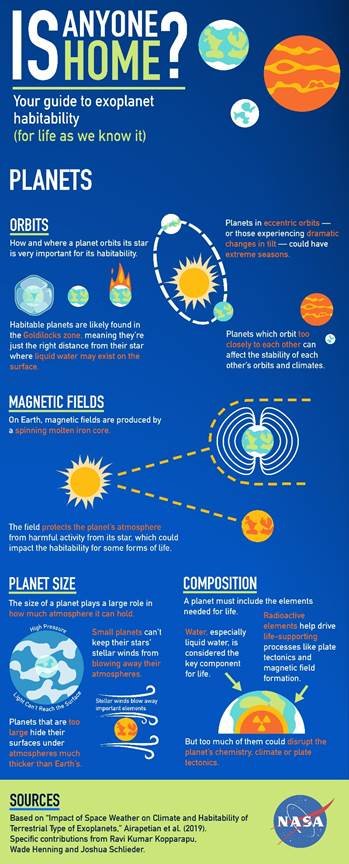
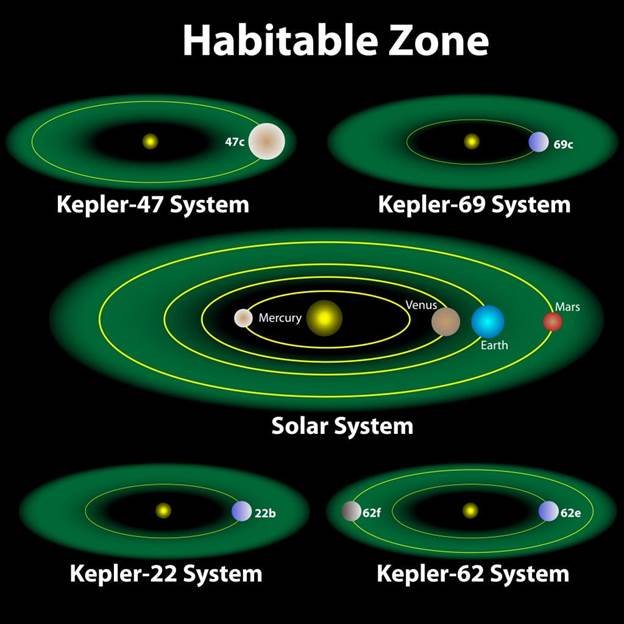
If a planet is too close to its star:
- Water may evaporate
- Temperatures become extremely high
- Atmospheres can be destroyed
If a planet is too far away:
- Water freezes into ice
- Surface temperatures drop dramatically
- Life becomes less likely
However, the new NASA research shows that simply being in the Goldilocks Zone is not enough. A planet also needs suitable orbital behavior and rotation patterns to remain habitable.
NASA’s New Habitability Simulations
To better understand planetary habitability, researchers conducted 93 advanced simulations. These simulations tested different combinations of:
- Orbital distance
- Axial tilt
- Rotation speed
- Day length
- Surface temperature patterns
The goal was to determine which conditions are most favorable for life to develop and survive on land.
The findings revealed that Earth’s current conditions are remarkably balanced. Even small changes in its orbit or rotation could make life much harder.
How Sunlight Affects Life
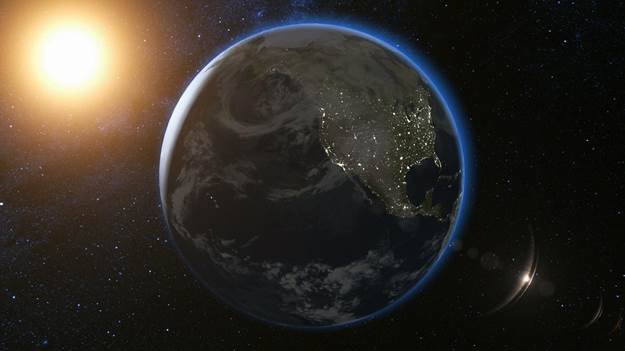
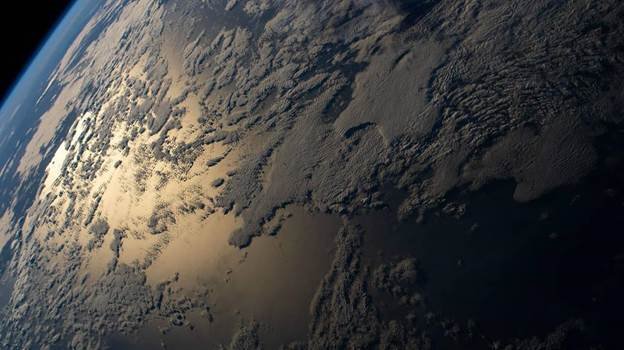
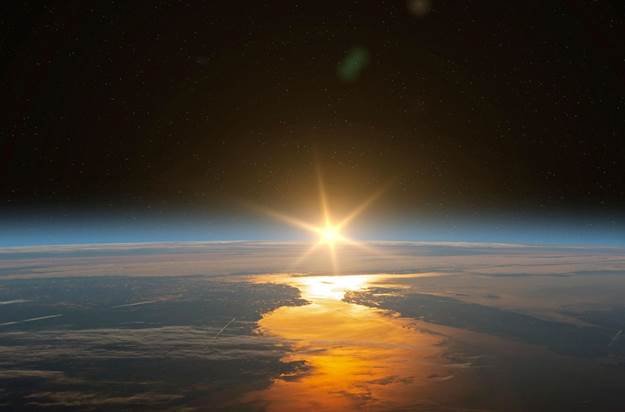
Sunlight serves as a vital energy source for life. Photosynthesis in plants depends on sunlight, and solar heating is essential for climate systems.
A planet’s orbit and tilt determine how sunlight spreads across the surface. Stable sunlight patterns help maintain:
- Moderate temperatures
- Seasonal balance
- Ocean circulation
- Healthy ecosystems
If sunlight becomes uneven or extreme, large parts of a planet may become uninhabitable.

Searching for Habitable Exoplanets
Scientists are now using this research to improve the search for habitable exoplanets. Exoplanets are planets located outside our solar system.
Modern telescopes can detect:
- Planet size
- Distance from stars
- Orbital movement
- Atmospheric signals
By studying orbital behavior and planetary tilt, researchers can narrow down which worlds may support life.
Many planets may exist inside the habitable zone but still fail to support life because of unstable climates or extreme temperature cycles.
Why Earth Is Special
Earth’s habitability depends on a rare combination of factors working together perfectly. These include:
- A stable orbit around the Sun
- Moderate axial tilt
- Balanced rotation speed
- Presence of liquid water
- Protective atmosphere
This balance has allowed life to evolve for billions of years. The new study highlights how delicate these conditions truly are.
Even slight differences in Earth’s rotation or tilt could have dramatically changed the history of life on our planet.
The Future of Space Exploration
NASA and other space organizations continue searching for planets that resemble Earth. Future missions may focus more on planetary motion and climate behavior instead of only looking at distance from stars.
Advanced space telescopes and simulations are helping scientists discover which planets have the highest chance of supporting life.
As technology improves, humanity may eventually identify another truly habitable world somewhere in the universe.
Conclusion
The new NASA-funded research provides deeper insight into how planetary orbits affect habitability. Earth’s balanced rotation, axial tilt, and orbital position create ideal conditions for life to survive and grow.
Scientists now understand that living inside the Goldilocks Zone alone is not enough. A planet must also maintain stable temperatures, proper sunlight distribution, and suitable day-night cycles.
These discoveries are helping researchers refine the search for habitable exoplanets and bringing humanity closer to answering one of the biggest questions in science: Are we alone in the universe?
FAQs
What is planetary habitability?
Planetary habitability refers to a planet’s ability to support life through suitable temperatures, water availability, and stable environmental conditions.
What is the Goldilocks Zone?
The Goldilocks Zone is the area around a star where temperatures are not too hot or too cold, allowing liquid water to exist.
Why is Earth’s tilt important?
Earth’s tilt creates seasons and helps distribute sunlight evenly across the planet, supporting stable climates and ecosystems.
How does rotation affect habitability?
Rotation controls the length of days and nights. Extremely slow rotation can cause severe temperature differences that make life difficult.
What are exoplanets?
Exoplanets are planets that orbit stars other than our Sun and lie beyond our solar system.
Why are scientists studying planetary orbits?
Scientists study planetary orbits to identify worlds that may have stable climates and conditions suitable for life.
Can planets outside the Goldilocks Zone support life?
It is less likely, but some scientists believe certain planets or moons could still support life under special conditions.
How many simulations were used in the NASA study?
Researchers conducted 93 simulations to examine how orbital conditions influence planetary habitability.