6 Fascinating Phobos and Deimos Mars Moons Images Explained

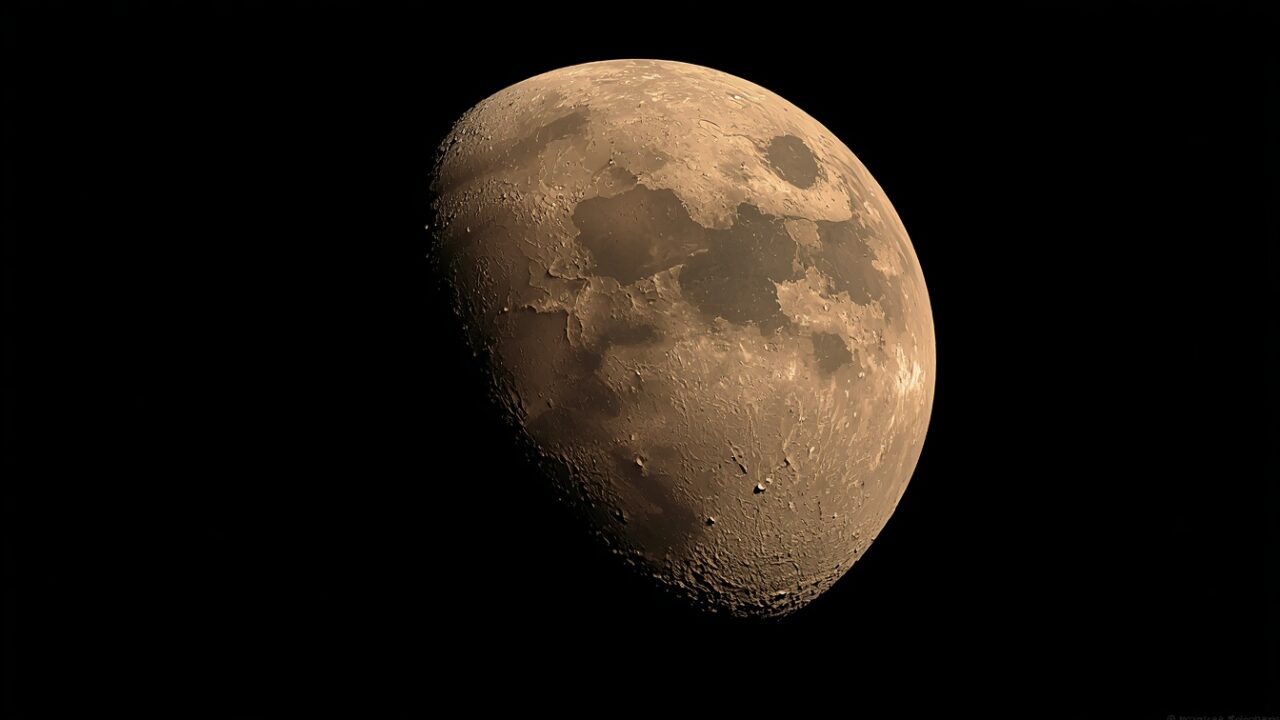
Phobos and Deimos Mars moons images:
Mars’s two small moons present an intriguing photographic subject quite different from the large, round moons found around other planets, and Phobos and Deimos Mars moons images reveal irregularly shaped, heavily cratered bodies with genuinely uncertain origins.
Two Very Different Small Moons
Phobos and Deimos Mars moons images immediately highlight the size difference between these two satellites, with Phobos measuring roughly 22 kilometers across compared to Deimos’s smaller 12-kilometer diameter, both dramatically smaller than typical large planetary moons.
Their Likely Asteroid Belt Origins
Given their irregular shapes and composition, these images support the leading theory that both moons originated as captured asteroids from the nearby asteroid belt, rather than forming alongside Mars during the planet’s original formation.
Phobos’s Distinctive Stickney Crater
Among the most recognizable features, these images reveal Stickney Crater, an enormous impact scar covering a significant portion of Phobos’s total surface, suggesting the moon narrowly avoided complete destruction from this ancient collision.
Grooves Crisscrossing Phobos’s Surface
Detailed Phobos and Deimos Mars moons images also show mysterious parallel grooves crisscrossing Phobos’s surface, with their exact formation mechanism remaining debated among scientists, possibly related to tidal stresses or debris from the Stickney impact.
Deimos’s Smoother, Less Cratered Appearance
In contrast to Phobos, these images show Deimos with a notably smoother appearance, its craters partially filled with regolith debris, giving it a softer, less dramatically cratered look compared to its rougher companion moon.
Phobos’s Predicted Future Destruction
Orbital mechanics analysis combined with these images and data suggests Phobos is gradually spiraling closer to Mars, with predictions indicating it will eventually either crash into the planet or break apart into a ring within tens of millions of years.
Multiple Missions Contributing to Our Understanding
Various Mars orbital missions, including Mars Express and Mars Reconnaissance Orbiter, have contributed to the broader collection of these images, gradually building a more complete picture of both satellites’ surface characteristics.
Future Sample-Return Mission Interest
Given lingering questions about their origins, these images and associated scientific interest have contributed to proposed future sample-return missions, particularly targeting Phobos, aiming to definitively resolve questions about their asteroid-capture formation theory.
Named for Fear and Dread
Phobos and Deimos were discovered in August 1877 by American astronomer Asaph Hall. Their names come from Greek mythology, meaning fear and dread, the sons of Ares, the Greek counterpart of Mars.
These images from orbiters and rovers show two small, irregular bodies very different from Earth’s Moon.
Phobos Orbits Faster Than Mars Spins
Phobos orbits Mars three times a day, faster than Mars rotates. As a result, from the Martian surface it rises in the west and sets in the east.
Deimos orbits more slowly, taking about 30 hours.
Eclipses Seen From Mars
Rovers like Curiosity and Perseverance have photographed Phobos passing in front of the Sun. These eclipses appear as dark, potato-shaped shadows crossing the Sun’s disk.
They help scientists refine Phobos’s orbit.
Japan’s MMX Mission
Japan’s Martian Moons eXploration mission, MMX, is planned to launch in 2026. It aims to land on Phobos, collect samples and return them to Earth.
The samples could reveal whether the moons are captured asteroids or debris from a giant impact.
A Ring in Mars’s Future
Phobos is slowly spiraling closer to Mars. In about 30 to 50 million years, tidal forces may tear it apart, forming a ring.
This future makes Phobos an interesting case study.
Size Comparison
Phobos is about 22 kilometers across, while Deimos is about 12 kilometers. Both are tiny compared with Earth’s Moon.
Their small sizes make them difficult to see from Mars’s surface.
Phobos in Orbital Images
ESA’s Mars Express has made many close flybys of Phobos, capturing detailed images and measuring its gravity. These observations suggest Phobos is porous, possibly a rubble pile held together loosely.
A Stepping Stone for Humans
Some mission planners have suggested Phobos as a stepping stone for human exploration of Mars. Astronauts could land on the tiny moon, which has very weak gravity, and operate robots on Mars’s surface from there.
How Phobos Looks From Orbit
Phobos is dark and dusty, reflecting little sunlight. Its surface is covered with fine dust called regolith, possibly several meters deep in places. Close-up images reveal boulders and landslides on crater walls, showing that even tiny moons experience surface changes.
Stickney Crater’s Dominance
Stickney Crater is about 9 kilometers across, nearly half the width of Phobos itself. The impact that created it may have nearly shattered the moon.
These images from Mars Reconnaissance Orbiter’s HiRISE camera show Stickney in striking detail, including landslides inside the crater and grooves radiating across the surface.
What the Grooves Might Be
The long grooves on Phobos have puzzled scientists for decades. Some think they formed from debris ejected by the Stickney impact rolling across the surface. Others suggest they are stress fractures caused by Mars’s tidal forces as Phobos slowly spirals inward.
Samples returned by MMX may help settle the debate.
Seeing Deimos From Mars
From the Martian surface, Deimos looks like a bright star rather than a moon, since it is small and far from Mars. Phobos appears larger but still much smaller than our Moon looks from Earth.
Rover images show both moons as they cross the Martian sky.
Two Origin Theories
Scientists debate whether Phobos and Deimos are captured asteroids or formed from debris after a giant impact on Mars. Their shapes and dark colors resemble asteroids, but their orbits fit better with formation near Mars.
Phobos in Rover Images
Perseverance captured Phobos passing in front of the Sun in 2022, producing a striking video of an eclipse on Mars. The moon appeared as an irregular, potato-shaped shadow gliding across the Sun in about 40 seconds.
These observations help scientists measure Phobos’s orbit and understand the tidal forces slowly pulling it closer to Mars. These images from the surface complement orbital views.
MMX’s Rover
Japan’s MMX mission will carry a small rover built by the French and German space agencies. It will explore Phobos’s surface before MMX collects samples to return to Earth, currently planned for the early 2030s.
Final Thoughts
These images reveal two genuinely unusual small satellites, offering ongoing scientific mystery about their origins while providing valuable comparative data alongside other captured or irregular moons found throughout the solar system.
Keep exploring with our guides to Mars surface close-up images, Asteroid Ryugu close-up images and Asteroid belt visual guide. For official information, visit NASA’s Artemis program page.
Frequently Asked Questions
How big are Phobos and Deimos?
Phobos measures roughly 22 kilometers across, while Deimos is smaller at about 12 kilometers.
Where did these moons likely originate?
Most evidence supports a captured asteroid origin from the nearby asteroid belt.
What is Stickney Crater?
An enormous impact scar covering a significant portion of Phobos’s surface.
Why does Deimos look smoother than Phobos?
Its craters are partially filled with regolith debris, softening its appearance.
What is predicted for Phobos’s future?
It’s gradually spiraling toward Mars and may eventually crash or break apart into a ring.
1 comment