Cygnus XL Cargo Mission Successfully Set for Launch as International Space Station Crew Prepares for Major Supply Delivery in 2026

Cygnus XL Cargo Mission Successfully Set for Launch as International Space Station Crew Prepares for Major Supply Delivery in 2026
Introduction
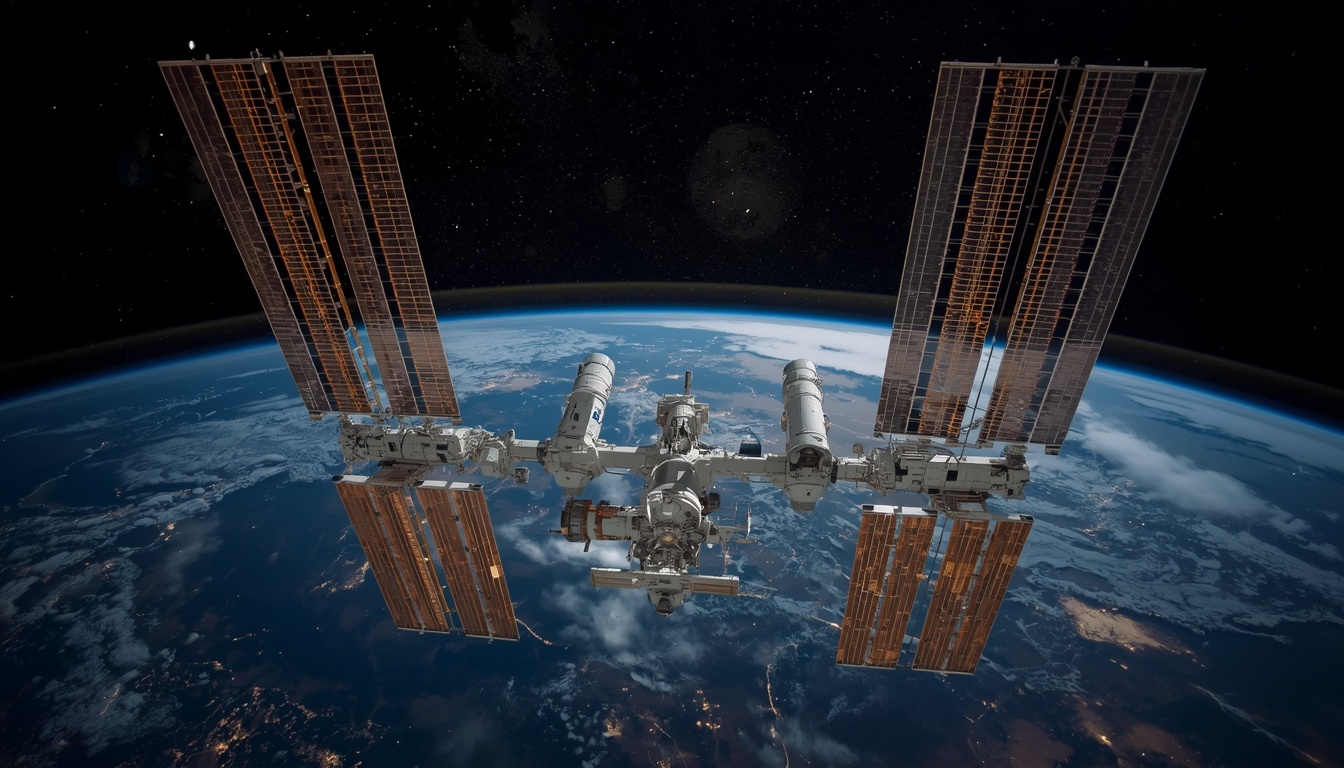
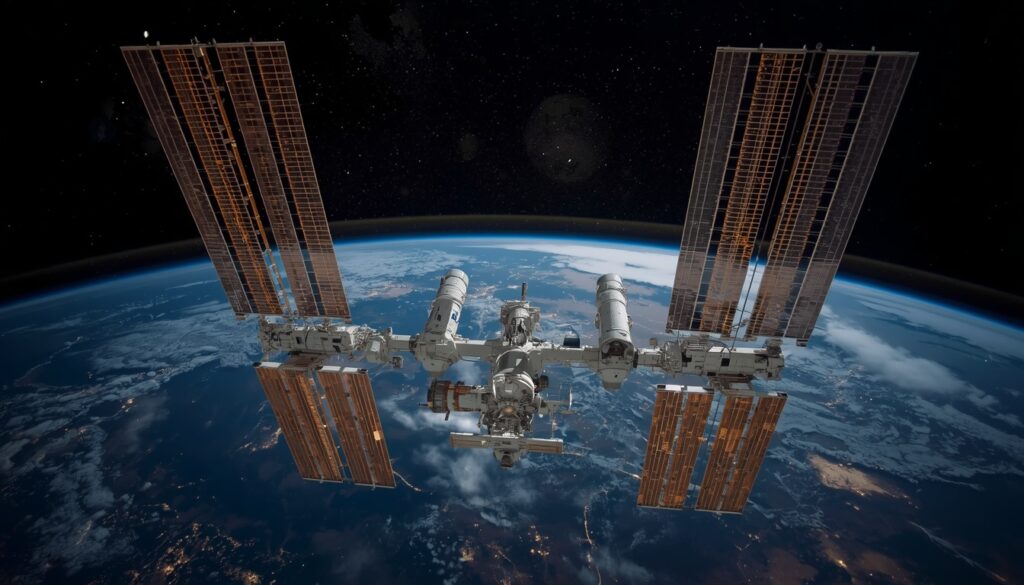
The crew aboard the International Space Station is preparing for another important cargo delivery as the Cygnus XL spacecraft targets a Saturday launch to resupply Expedition 74 astronauts.
Cargo missions are essential for maintaining life and scientific operations aboard the orbiting laboratory. Packed with over 11,000 pounds of supplies, scientific equipment, and advanced research payloads, Cygnus XL will soon begin its journey to the ISS aboard a Falcon 9 rocket.
While waiting for the spacecraft’s arrival, astronauts aboard the ISS remained busy training for robotic capture procedures, coordinating cargo operations, and conducting medical and technology research.
This mission demonstrates how teamwork between astronauts, engineers, and international space agencies keeps the ISS operating as one of humanity’s most important scientific laboratories.
What Is the Cygnus XL Cargo Mission?
The Cygnus XL spacecraft is an uncrewed cargo vehicle designed to transport supplies and scientific experiments to the ISS.
Built by Northrop Grumman, Cygnus missions play a major role in supporting astronauts during long-duration missions.
Cargo flights deliver:
- Food and crew supplies
- Scientific equipment
- Medical materials
- Technology demonstrations
- Spare parts
- Research payloads
Without regular resupply missions, astronauts aboard the ISS would face shortages that could disrupt both scientific research and daily living.
The Cygnus program has become one of NASA’s most reliable logistics systems for low-Earth orbit missions.
Launch Details and Mission Timeline
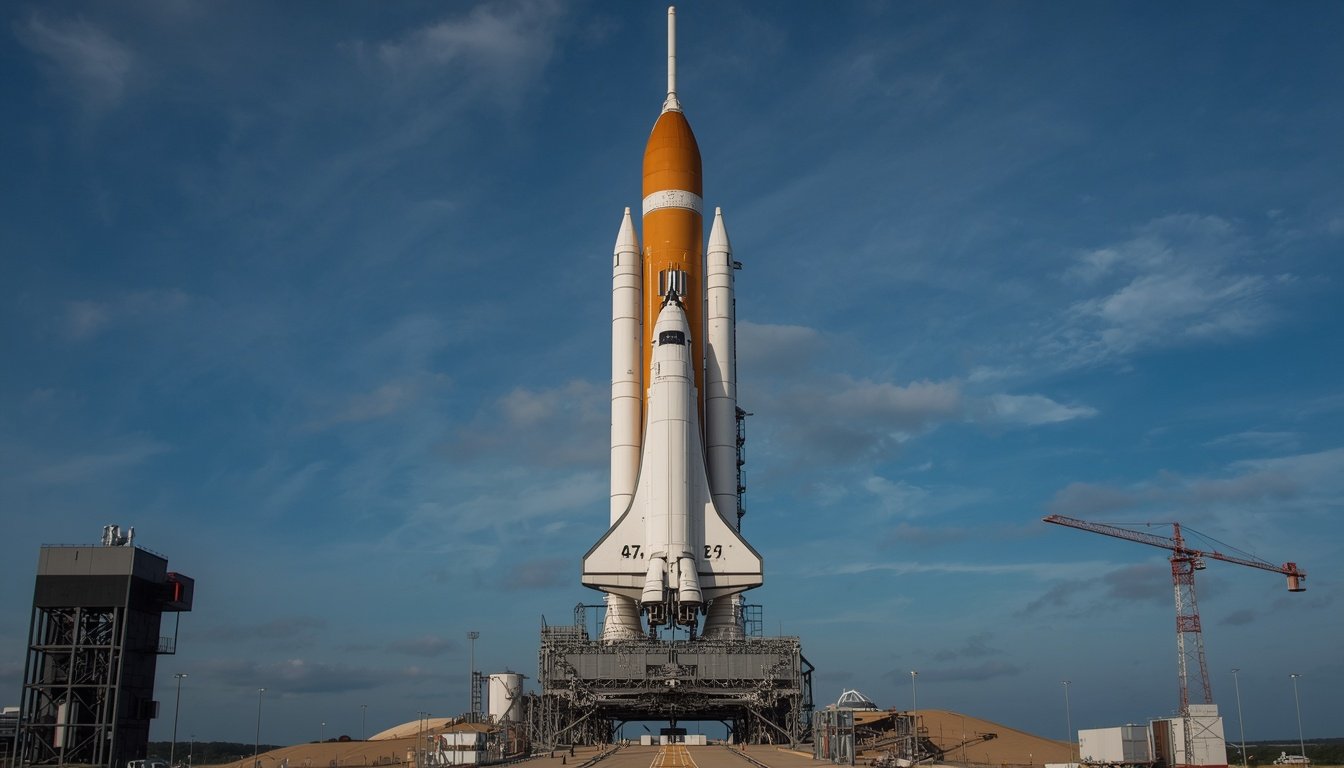
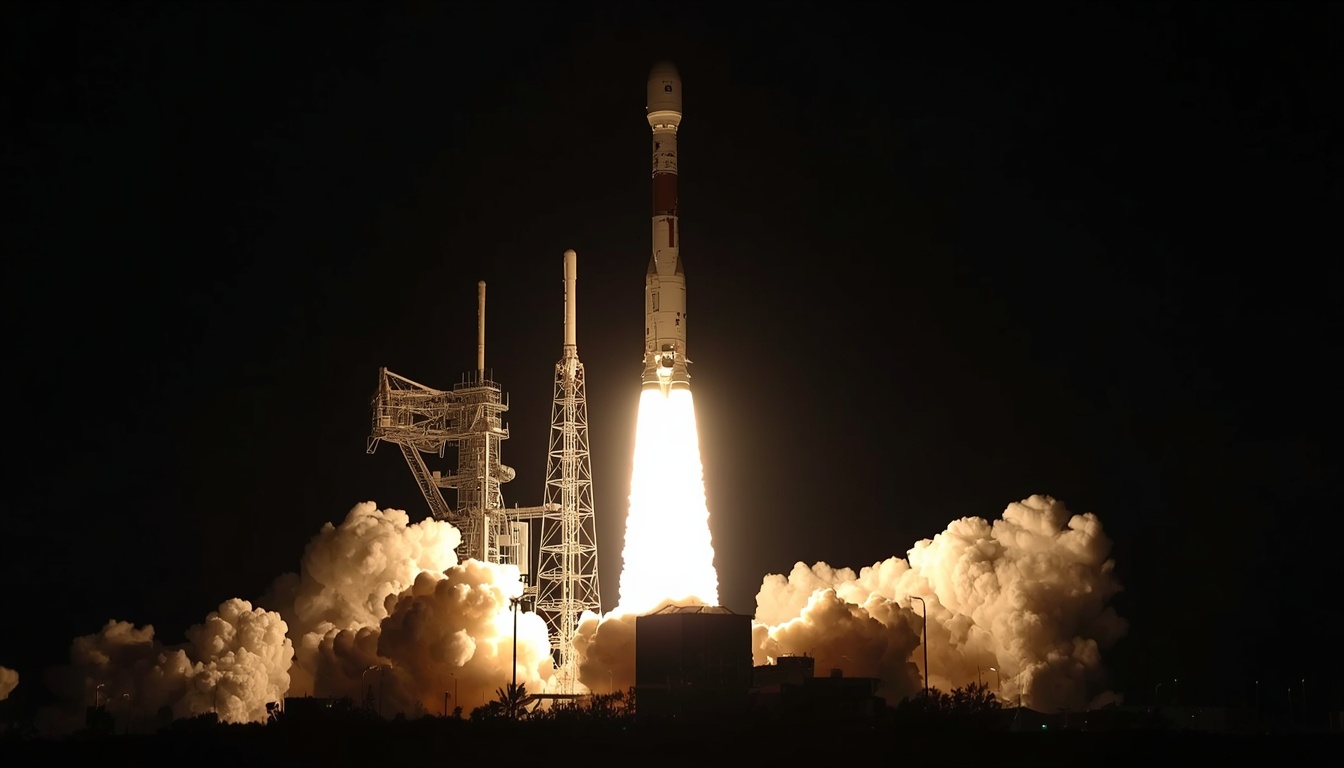
Cygnus XL is scheduled to launch atop a Falcon 9 rocket.
The launch vehicle will lift off carrying more than 11,000 pounds of cargo destined for the International Space Station.
After reaching orbit, Cygnus will begin a carefully planned journey toward the ISS.
The mission timeline includes:
- Falcon 9 launch
- Orbital insertion
- Spacecraft navigation and rendezvous
- Final station approach
- Robotic capture using Canadarm2
- Installation to the Unity module
The spacecraft is expected to remain attached to the ISS for approximately six months.
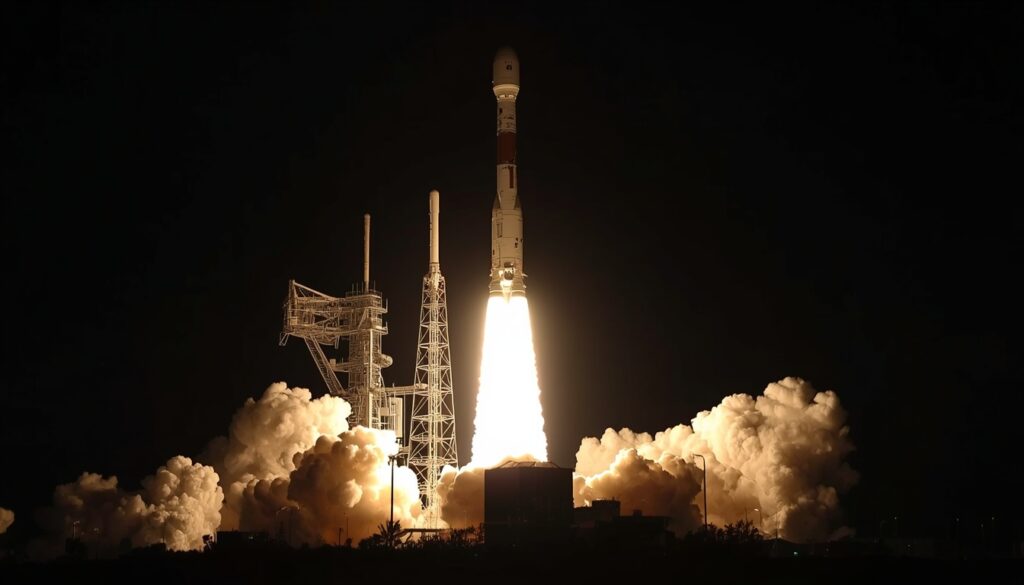
During that time, astronauts will unload supplies and complete numerous research activities.
Why Cargo Missions Matter
Cargo missions may not receive as much public attention as crewed launches, but they are equally important.
These spacecraft keep the ISS functioning by delivering resources needed for:
- Crew survival
- Scientific research
- Equipment replacement
- Technology testing
- Medical investigations
Every cargo launch helps maintain continuous human presence in space.
NASA depends on cargo spacecraft like Cygnus to support long-term operations aboard the station and prepare for future deep-space missions.
Astronauts Train for Cygnus Capture
Before the spacecraft arrives, astronauts must undergo extensive robotics training.
NASA astronauts Chris Williams and Jack Hathaway spent time inside the ISS Cupola practicing capture procedures.
The Cupola contains:
- Large observation windows
- Robotics workstation controls
- Camera systems
- Mission monitoring equipment
Using computer simulations, the astronauts rehearsed how they will capture Cygnus using the station’s robotic arm.
Training prepares astronauts for a variety of possible situations during spacecraft arrival.
How Canadarm2 Captures Cargo Spacecraft
One of the most important tools aboard the ISS is the Canadarm2.
Unlike spacecraft that dock automatically, Cygnus must be captured manually using Canadarm2.
The capture process involves:
- Monitoring spacecraft approach
- Aligning robotic arm positioning
- Coordinating with ground control
- Maneuvering Canadarm2 carefully
- Securing the spacecraft safely
The robotic arm is controlled using hand controllers and computer displays.
This procedure requires patience, precision, and extensive preparation.
Roles of Chris Williams and Jack Hathaway
Each astronaut has a specific role during the cargo operation.
During the real capture, Chris Williams will be the one operating Canadarm2.
His duties include:
- Operating robotic controls
- Monitoring camera feeds
- Maneuvering the robotic arm
- Securing Cygnus safely
Jack Hathaway will monitor the spacecraft’s approach and rendezvous.
He will:
- Track navigation data
- Watch spacecraft positioning
- Coordinate communications
- Support capture operations
Working together, the two astronauts help ensure a safe and successful arrival.
Installing Cygnus on the Space Station
After capture, mission control teams on Earth take command.
Controllers remotely guide Canadarm2 to attach Cygnus to the Unity module’s Earth-facing port.
This installation process allows astronauts to:
- Open hatches
- Enter the spacecraft
- Begin unloading cargo
- Activate scientific experiments
Once attached, Cygnus effectively becomes part of the space station.
The cargo ship remains connected for months before eventually departing.
Preparing for Cargo Operations
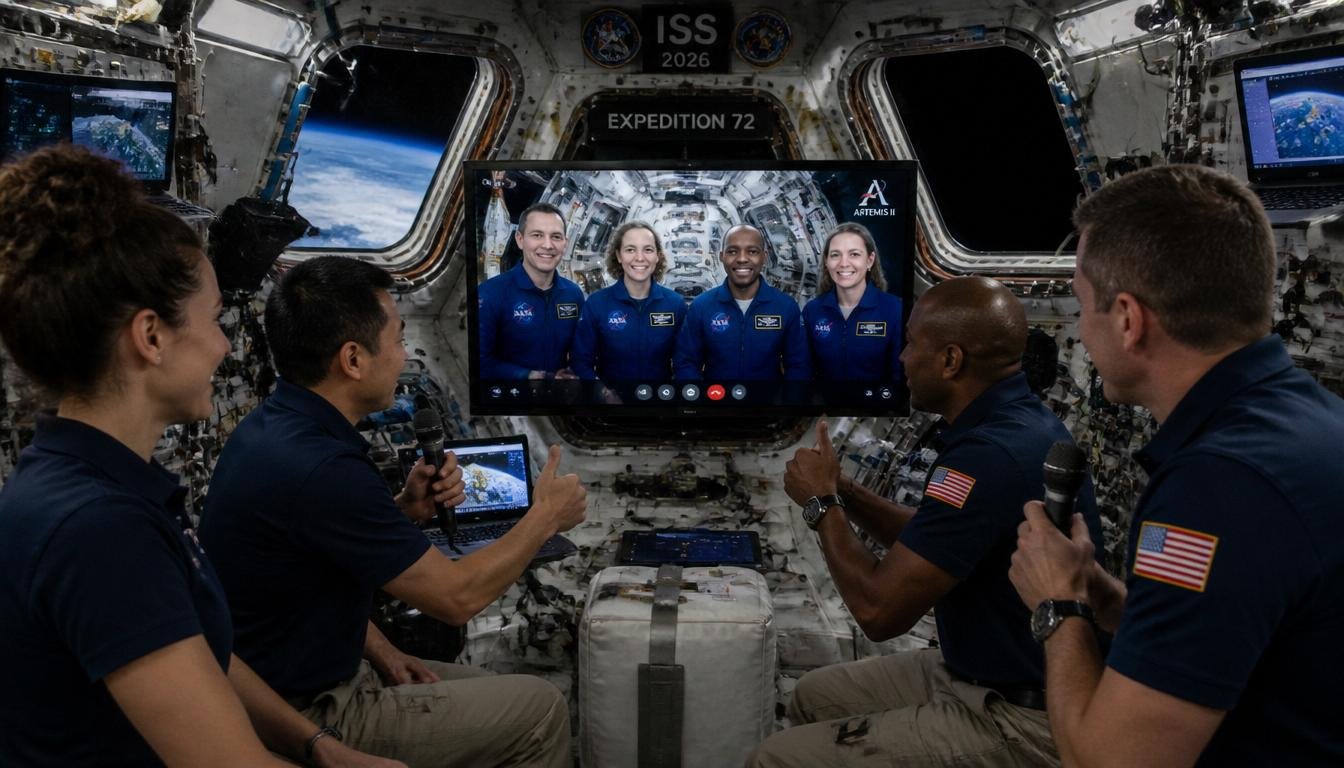
Following robotics training, astronauts gathered to discuss cargo procedures.
Participants included:
- Chris Williams
- Jack Hathaway
- Jessica Meir
- Sophie Adenot
The astronauts coordinated with mission controllers on Earth to plan post-arrival operations.
Cargo management is carefully organized because storage aboard the ISS is limited.
Crew members must know:
- Which supplies arrive first
- Where items will be stored
- How experiments will be activated
- Which materials are time-sensitive
Proper planning helps prevent delays and confusion.
New Science Experiments Arriving on Cygnus
Cygnus is carrying several important scientific investigations.
These experiments are designed to improve life on Earth and support future exploration.
The new research payloads include:
Quantum Physics Module
One of the most exciting payloads expands the capabilities of the Cold Atom Laboratory.
Scientists use ultra-cold atoms to study:
- Quantum behavior
- Atomic interactions
- Fundamental physics
- Precision measurement systems
Microgravity creates conditions impossible to duplicate fully on Earth.
This allows researchers to push quantum science further.
Blood Stem Cell Research in Space
Another experiment focuses on blood stem cells.
Researchers hope to better understand treatments for:
- Blood disorders
- Leukemia
- Cancer therapies
- Bone marrow conditions
Microgravity may influence stem cell growth and behavior in ways that reveal new medical possibilities.
This work could someday help doctors develop improved treatments.
Protecting Astronaut Gut Health
Another investigation aboard Cygnus studies astronaut digestive health.
The gut microbiome plays a major role in:
- Digestion
- Immunity
- Nutrition
- Overall health
Long-term spaceflight may disrupt healthy bacteria.
Scientists want to learn how to:
- Protect gut health
- Prevent illness
- Improve astronaut nutrition
This research could be advantageous for both astronauts and individuals on Earth.
Russian Segment Research Continues
While the U.S. crew prepared for cargo arrival, Roscosmos astronauts continued scientific work.
Crew members included:
- Sergey Kud-Sverchkov
- Sergei Mikaev
- Andrey Fedyaev
The cosmonauts focused on health and technology research.
Respiratory Health Studies in Microgravity
Kud-Sverchkov and Mikaev participated in breathing studies.
They used acoustic sensors placed around their necks to document patterns of rapid breathing.
Scientists are studying:
- Lung function
- Respiratory adaptation
- Airflow changes
- Microgravity effects on breathing
Human respiration changes in space because fluids shift throughout the body.
These studies may improve astronaut medical care.
Artificial Intelligence in Space Operations
Andrey Fedyaev continued testing artificial intelligence tools.
AI may help astronauts by:
- Managing spacecraft systems
- Supporting communications
- Monitoring equipment
- Improving operational efficiency
Future Moon and Mars missions may rely heavily on AI because communication delays with Earth make real-time support difficult.
Testing these systems aboard the ISS prepares crews for more autonomous exploration.
Conclusion
The upcoming Cygnus XL cargo mission represents far more than a routine delivery to space. It supports astronaut survival, enables cutting-edge science, and helps maintain one of the world’s most advanced research laboratories.
From robotics training and cargo planning to quantum physics and biomedical experiments, Expedition 74 continues advancing humanity’s understanding of life and technology in space.
As Cygnus prepares for launch and eventual arrival, the mission highlights the teamwork and innovation that keep the International Space Station operating and pave the way for future missions beyond Earth orbit.
Frequently Asked Questions (FAQs)
What is Cygnus XL?
Cygnus XL is an uncrewed cargo spacecraft that delivers supplies and scientific equipment to the ISS.
Who builds the Cygnus spacecraft?
Cygnus is developed by Northrop Grumman.
Which rocket launches Cygnus?
Cygnus launches aboard a SpaceX Falcon 9 rocket.
How much cargo is Cygnus carrying?
The spacecraft carries over 11,000 pounds of supplies and research equipment.
What is Canadarm2?
Canadarm2 is the robotic arm astronauts use to capture arriving spacecraft.
Who will capture Cygnus aboard the ISS?
NASA astronauts Chris Williams and Jack Hathaway are responsible for capture operations.
What science experiments are aboard Cygnus?
The mission carries quantum physics research, stem cell studies, gut health investigations, and other experiments.
Why study gut health in space?
Scientists want to understand how microgravity affects digestion and immunity.
How does AI help astronauts?
Artificial intelligence can support spacecraft systems, communications, and crew operations.
Why are cargo missions important?
Cargo missions provide supplies, experiments, and equipment that keep astronauts and the ISS functioning successfully.
read another articles
Keep exploring