Remarkable Busy Day of Space Science and Maintenance Aboard the International Space Station in 2026

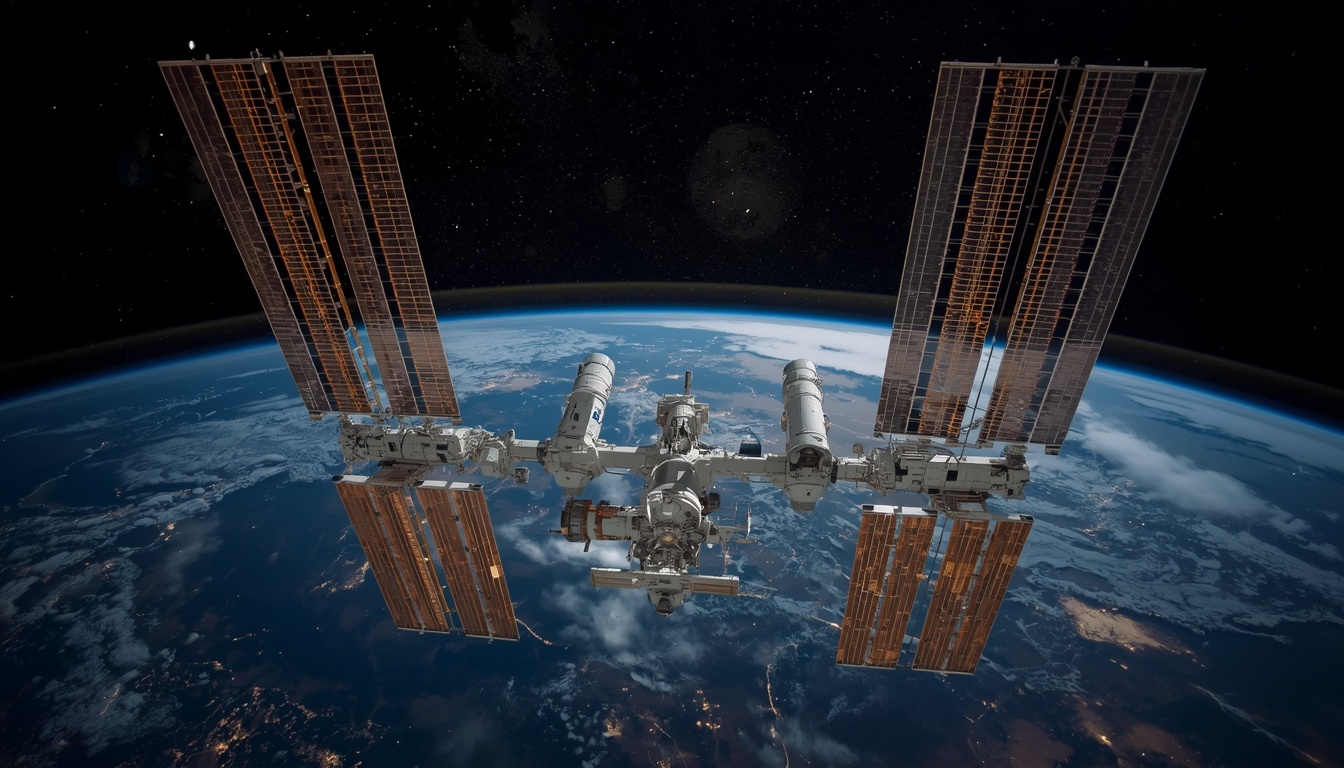
Remarkable Busy Day of Space Science and Maintenance Aboard the International Space Station in 2026
Introduction
Astronauts living aboard the International Space Station experienced another demanding day filled with scientific research, station maintenance, health studies, robotics experiments, and preparation for an upcoming cargo mission.
The Expedition 74 crew continued performing important experiments that help scientists better understand how space affects the human body and advanced technologies. At the same time, astronauts worked on maintaining the orbiting laboratory to ensure safe and efficient operations.
As NASA and its international partners prepare for future missions to the Moon and Mars, the International Space Station remains one of humanity’s most important scientific platforms in space.
Life Aboard the International Space Station
The International Space Station serves as a floating laboratory orbiting Earth approximately 250 miles above the planet.
Astronauts aboard the station conduct experiments involving:
- Human health
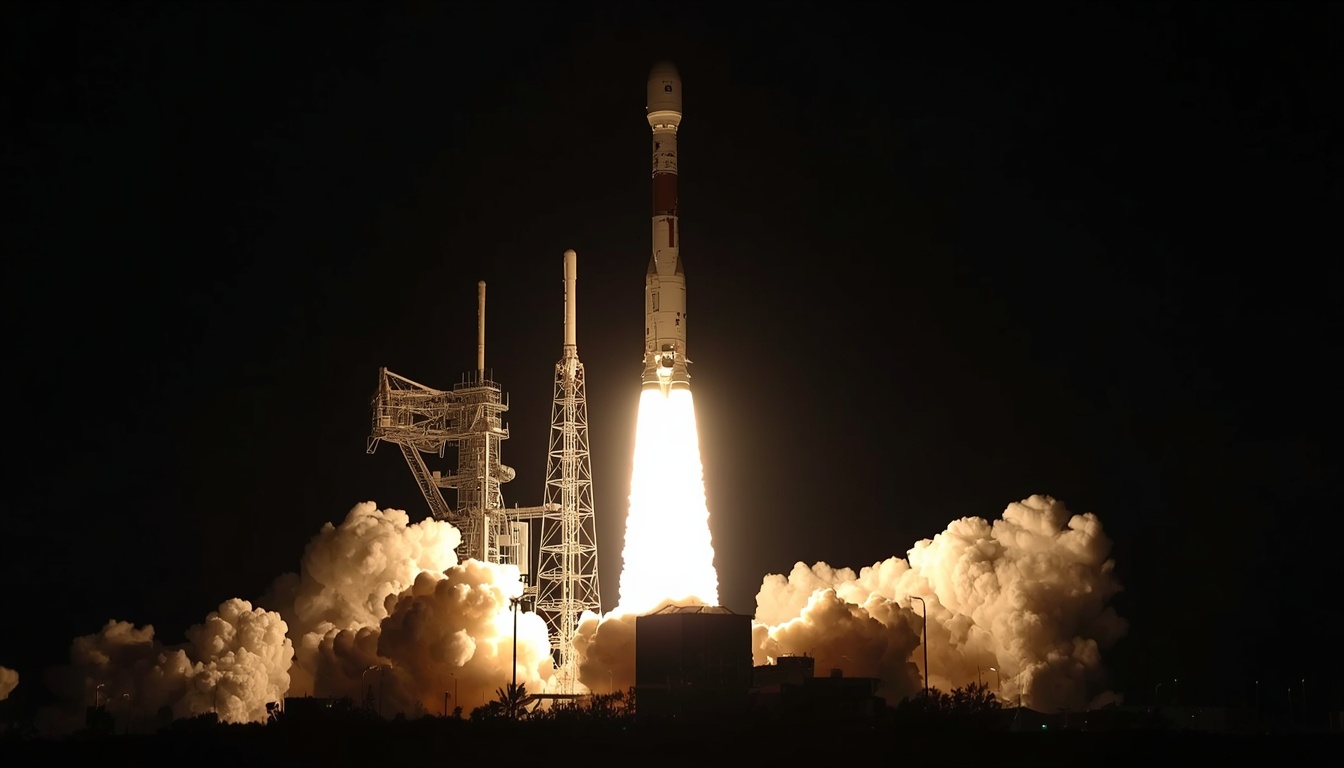
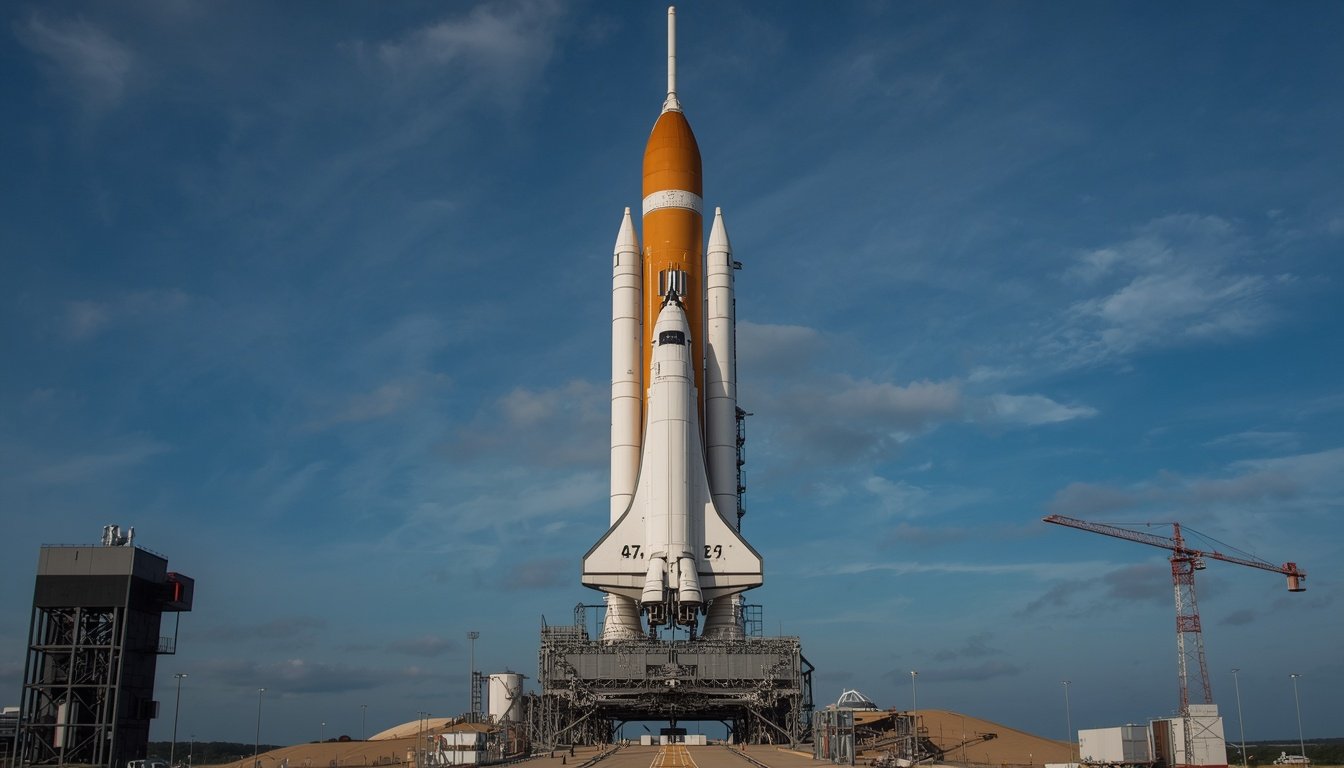
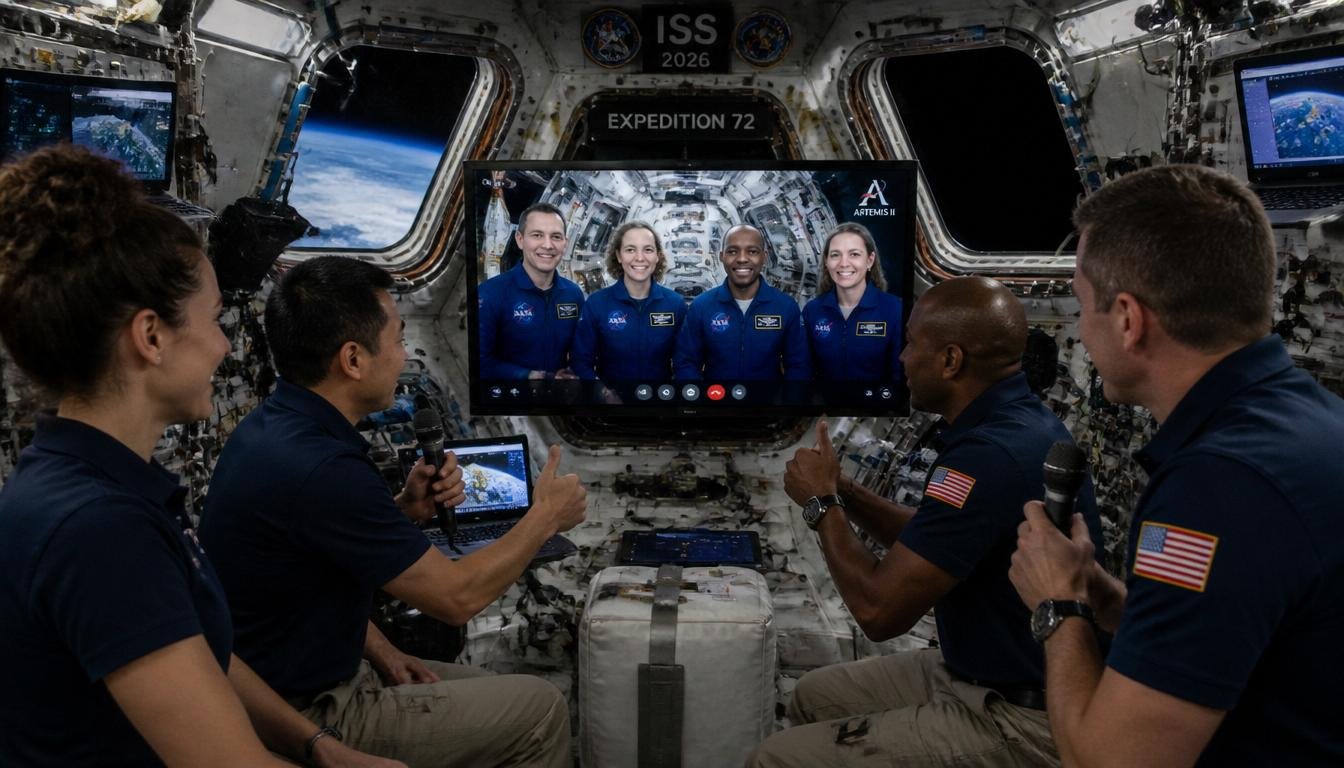
- Robotics
- Biology
- Physics
- Space technology
- Materials science
- Long-duration spaceflight
The microgravity environment allows scientists to observe processes that cannot be studied properly on Earth because gravity influences almost every physical and biological system.
The ISS has now provided more than 25 years of valuable scientific knowledge.
Why Space Research Is Important
Research aboard the ISS helps scientists develop solutions for both space exploration and life on Earth.
Experiments in microgravity contribute to advancements in:
- Medicine
- Water purification
- Robotics
- Artificial intelligence
- Spacecraft systems
- Human health
- Industrial technology
The knowledge gained aboard the ISS may support future lunar bases and eventual human missions to Mars.
Studying Stress and Sleep in Space
One major focus of current research is understanding how astronauts cope with stress during long-duration missions.
Living in space can create unique psychological challenges because astronauts experience:
- Isolation
- Confinement
- Heavy workloads
- Unusual sleep cycles
- Distance from family
- Microgravity effects
To study these issues, NASA astronaut Jessica Meir participated in the RelaxPro investigation sponsored by the European Space Agency.
What Is the RelaxPro Experiment?
RelaxPro is a scientific study focused on improving astronaut mental health and sleep quality.
The experiment explores whether:
- Mindfulness techniques
- Meditation exercises
- Relaxation methods
can help astronauts better manage stress during long space missions.
Jessica Meir documented her sleep patterns and collected saliva samples for scientific analysis.
Researchers will examine the samples to measure:
- Stress hormone levels
- Immune system responses
- Effects of microgravity on mental health
This information may become extremely valuable for future astronauts traveling to Mars, where missions could last several years.
How Spaceflight Affects the Human Body
Astronauts living in space experience many physical changes because the human body evolved under Earth’s gravity.
Some common spaceflight effects include:
- Muscle loss
- Bone density reduction
- Fluid shifts
- Sleep disruption
- Stress changes
- Immune system alterations
Understanding these effects helps scientists create better medical systems and safety procedures for future explorers.
Housekeeping and Maintenance in Space
Astronauts aboard the ISS spend a large amount of time performing maintenance and housekeeping duties.
Keeping the station organized and functioning properly is critical because astronauts live and work there continuously.
NASA astronaut Chris Williams spent much of his day handling standard maintenance tasks.
His responsibilities included:
- Organizing spacesuit equipment
- Managing health records
- Reorganizing food supplies
- Preparing storage areas for incoming cargo
While these tasks might appear ordinary, they are crucial for the long-term functioning of the station.
Digital Health Monitoring for Astronauts
Chris Williams also entered nutritional and pharmaceutical information into the EveryWear health data collection system.
NASA closely monitors astronaut health by tracking:
- Food intake
- Medications
- Exercise
- Sleep
- Medical conditions
Digital health monitoring allows doctors on Earth to analyze astronaut health throughout missions.
These systems may later support autonomous healthcare during deep-space exploration missions.
Preparing for the Cygnus XL Cargo Mission
The Expedition 74 crew is also preparing for the arrival of the Cygnus XL cargo mission.
Cargo spacecraft are extremely important because they deliver:
- Food
- Scientific equipment
- Medical supplies
- Spare parts
- Research experiments
- Crew necessities
The Cygnus XL spacecraft is scheduled to launch aboard a Falcon 9 rocket.
Astronauts aboard the ISS must prepare storage space and equipment before the spacecraft arrives.
Camera Setup for Cargo Arrival
NASA astronaut Jack Hathaway helped prepare for the cargo mission by setting up a camera system.
Mission controllers will use the video feed to monitor the spacecraft’s arrival and docking operations.
The camera installation is an important part of ensuring:
- Safe spacecraft approach
- Accurate robotic operations
- Real-time monitoring
- Communication with Earth
Cargo docking operations require extremely precise coordination between astronauts and ground control teams.
Biomedical Equipment Inventory Checks
Jack Hathaway also spent time checking biomedical research equipment inside the Columbus and Destiny laboratory modules.
Scientific equipment aboard the ISS must be:
- Carefully tracked
- Properly maintained
- Regularly inspected
- Ready for future experiments
This ensures astronauts can continue conducting high-quality scientific research.
Robotic Technology Demonstration in Space
ESA astronaut Sophie Adenot focused on robotics experiments inside the Kibo laboratory module.
She configured the small experimental robotic arm known as TUSK.
The TUSK robotic arm is designed to test:
- Precise robotic movement
- Sub-millimeter accuracy
- Autonomous operations
- Robotic efficiency in microgravity
Scientists hope advanced robotic systems can reduce astronaut workload during future missions.
Measuring the Human Body in Space
One interesting experiment involved recording how the human body changes in microgravity.
Sophie Adenot videotaped procedures for measuring:
- Height
- Arm length
- Leg length
In space, astronauts often grow slightly taller because the spine expands without gravity compressing it.
These measurements help researchers understand how the body adapts to long-term weightlessness.
Russian Cosmonauts Conduct Psychological Studies
The station’s Roscosmos cosmonauts also participated in research focused on psychology and teamwork.
Crew members included:
- Sergey Kud-Sverchkov
- Sergei Mikaev
The astronauts completed questionnaires studying:
- Decision-making styles
- Stress responses
- Teamwork behavior
- Working preferences
These studies help researchers understand how astronauts function together during long-duration missions.
Why Psychological Research Matters
Future Moon and Mars missions will require astronauts to spend long periods in isolated environments.
Psychological research helps scientists prepare astronauts for:
- Isolation
- Stress management
- Team cooperation
- Conflict resolution
- Mental endurance
Strong teamwork and emotional stability are essential for mission success in deep space.
European Robotic Arm Maintenance
Roscosmos cosmonaut Andrey Fedyaev worked on maintenance for the European Robotic Arm inside the Nauka science module.
The robotic arm helps astronauts by:
- Moving equipment
- Supporting maintenance work
- Assisting scientific experiments
- Reducing the need for spacewalks
Advanced robotic systems are expected to play a major role in future lunar and Martian exploration missions.
Conclusion
The busy schedule aboard the International Space Station demonstrates how modern space missions involve much more than simply orbiting Earth. Every day, astronauts conduct scientific research, maintain spacecraft systems, test new technologies, and study how humans adapt to life in space.
From mental health investigations and robotic experiments to cargo mission preparation and biomedical monitoring, the Expedition 74 crew continues helping humanity prepare for future exploration missions to the Moon and Mars.
As international cooperation in space grows stronger, the ISS remains one of the most valuable scientific laboratories ever built.
Frequently Asked Questions (FAQs)
What is the International Space Station?
The ISS is a scientific laboratory orbiting Earth where astronauts live and conduct research in microgravity.
What is the RelaxPro experiment?
RelaxPro studies stress management, mindfulness, meditation, and sleep quality during long-term space missions.
Why do astronauts collect saliva samples?
Scientists analyze saliva to study stress hormones and immune system responses in space.
What is the Cygnus XL spacecraft?
Cygnus XL is a cargo spacecraft that delivers supplies and scientific equipment to the ISS.
Why are robotic experiments important in space?
Robotics can reduce astronaut workload and improve future space exploration missions.
Why do astronauts grow taller in space?
Without gravity compressing the spine, astronauts’ bodies slightly expand in microgravity.
What is the TUSK robotic arm?
TUSK is an experimental robotic arm designed for precise movement and technology testing aboard the ISS.
Why is psychological research important for astronauts?
Future missions to the Moon and Mars will require astronauts to manage stress, isolation, and teamwork challenges.
What does the European Robotic Arm do?
The European Robotic Arm helps move equipment and support maintenance aboard the ISS.
How does ISS research help humanity?
Research aboard the ISS improves medicine, technology, robotics, and future human space exploration.

read another articles
Keep exploring