Protecting Wetlands in Southeast Asia Could Successfully Reduce Carbon Emissions in 2026

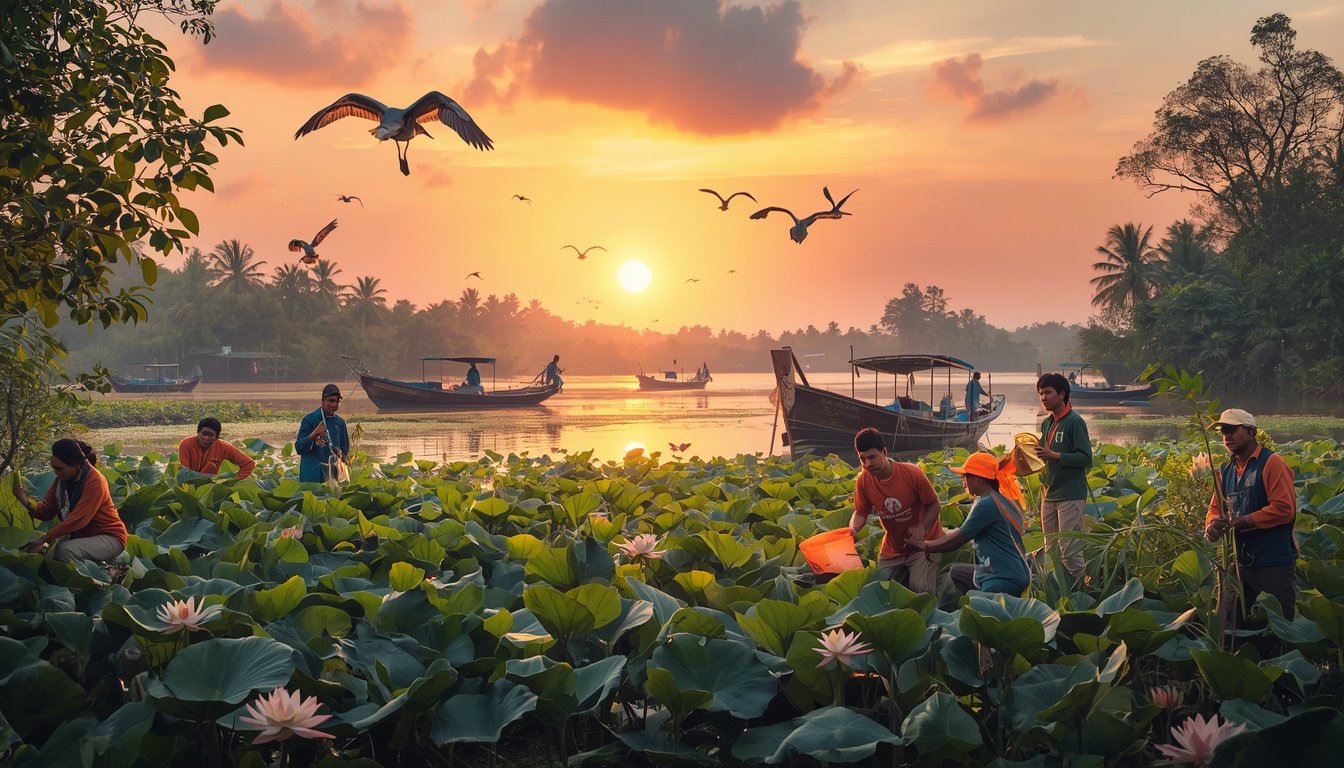
Protecting Wetlands in Southeast Asia Could Successfully Reduce Carbon Emissions in 2026
Introduction
Wetlands are among the most important ecosystems on Earth. They play a major role in storing carbon, protecting biodiversity, reducing floods, and maintaining climate balance. A recent study published in Nature Communications revealed that protecting peatlands and mangroves in Southeast Asia could significantly reduce carbon dioxide emissions.
Researchers found that conserving and restoring these wetlands could prevent nearly 770 million metric tons of carbon dioxide from entering the atmosphere every year. This discovery highlights the importance of wetlands in fighting climate change and protecting the environment for future generations.
What Are Wetlands?
Wetlands are areas where water covers the soil for long periods. These ecosystems can include:
- Swamps
- Marshes
- Mangrove forests
- Peatlands
- River deltas
Wetlands are considered one of the most productive ecosystems in the world because they support plants, animals, and aquatic life while also storing large amounts of carbon.
They act like natural environmental protectors by filtering water, preventing erosion, and reducing greenhouse gases.
Understanding Peatlands
Peatlands are wetland ecosystems filled with partially decomposed plants and organic material. Because the soil remains waterlogged, dead plants do not fully break down, allowing carbon to remain trapped underground for thousands of years.
Why Peatlands Are Important
Peatlands:
- Store huge amounts of carbon
- Help regulate Earth’s climate
- Prevent carbon dioxide release
- Support wildlife and biodiversity
Scientists say peatlands can store three to five times more carbon than tropical dryland forests.
When peatlands are destroyed or drained, the stored carbon escapes into the atmosphere as carbon dioxide, increasing global warming.
The Role of Mangrove Forests
Mangroves are coastal forests that grow in salty water along tropical shorelines. Their complex root systems help protect coastlines from storms and erosion.
Mangroves are also extremely effective at absorbing carbon dioxide from the atmosphere. They capture and store carbon in both trees and wet soil, making them one of the world’s strongest natural carbon sinks.
Benefits of Mangroves
- Absorb carbon rapidly
- Protect coastal communities
- Support fish populations
- Prevent soil erosion
- Reduce flood damage
Destroying mangroves not only harms marine ecosystems but also releases stored carbon into the atmosphere.
Wetlands as Carbon Sinks
A carbon sink is a natural system that absorbs more carbon dioxide than it releases. Wetlands are among the most powerful carbon sinks on Earth.
Researchers discovered that wetlands absorb carbon 10 times faster than many tropical forests because their waterlogged soils slow down decomposition.
How Wetlands Store Carbon
Wetlands trap carbon through:
- Plant growth
- Soil accumulation
- Slow decomposition
- Waterlogged environments
As long as wetlands remain healthy, carbon stays locked safely underground. However, when wetlands are burned, drained, or cleared for agriculture, massive amounts of greenhouse gases are released.
The Environmental Threat of Deforestation
Deforestation is one of the biggest causes of wetland destruction in Southeast Asia. Large areas of peatlands and mangroves are cleared for:
- Palm oil plantations
- Farming
- Urban development
- Logging industries
When forests and wetlands are removed, stored carbon is released into the air, contributing to climate change.
The study found that almost half of Southeast Asia’s emissions from land-use changes could be reduced simply by protecting peatlands and mangroves.
Indonesia and Malaysia’s Contribution to Emissions
The research highlighted that Indonesia and Malaysia are the two largest contributors to wetland-related carbon emissions in Southeast Asia.
Indonesia’s Role
Indonesia accounted for approximately 73% of regional wetland emissions. This is mainly due to:
- Large-scale peatland destruction
- Forest fires
- Agricultural expansion
- Deforestation activities
Indonesia contains some of the world’s largest tropical peatlands, making their protection extremely important for global climate stability.
Malaysia’s Contribution
Malaysia contributed around 14% of regional emissions from wetland destruction. Mangrove clearing and land development have significantly affected the country’s ecosystems.
Together, Indonesia and Malaysia are responsible for most wetland carbon emissions in Southeast Asia.
How Wetland Restoration Can Help
Restoring damaged wetlands can greatly reduce carbon dioxide emissions while improving biodiversity and ecosystem health.
Wetland Restoration Methods
Scientists recommend:
- Replanting mangrove trees
- Rewetting drained peatlands
- Preventing illegal logging
- Reducing land clearing
- Creating protected conservation areas
These actions can help restore the natural carbon storage ability of wetlands.
The Impact on Climate Change
Climate change is driven largely by greenhouse gas emissions, especially carbon dioxide. Wetlands help slow climate change by removing carbon from the atmosphere.
If peatlands and mangroves continue to disappear:
- Global temperatures may rise faster
- Sea levels could increase
- Biodiversity loss may worsen
- Extreme weather events may become more common
Protecting wetlands is therefore considered one of the most effective natural climate solutions available today.
Biodiversity in Wetland Ecosystems
Wetlands support a huge variety of plants and animals. Many endangered species depend on these habitats for survival.
Wetlands provide homes for:
- Fish
- Birds
- Reptiles
- Insects
- Marine animals
- Rare plant species
Mangroves are especially important breeding grounds for fish and other sea life that support local fishing communities.
Protecting wetlands not only helps the climate but also preserves valuable biodiversity.
Economic and Community Benefits
Healthy wetlands provide important economic benefits to local communities.
Economic Advantages
Wetlands support:
- Fishing industries
- Tourism
- Water purification
- Flood protection
- Agriculture
Mangroves also reduce the damage caused by storms and coastal flooding, saving millions of dollars in disaster recovery costs.
Communities that depend on fishing and farming benefit directly from healthy wetland ecosystems.
The Future of Wetland Conservation
Governments, scientists, and environmental organizations are now focusing more attention on wetland conservation. International climate agreements increasingly recognize wetlands as key tools in reducing global emissions.
Future conservation efforts may include:
- Stronger environmental laws
- Sustainable land management
- International funding programs
- Community-based conservation projects
Protecting Southeast Asia’s wetlands could become one of the world’s most effective climate strategies.
Conclusion
Wetlands such as peatlands and mangroves are essential for reducing carbon emissions and fighting climate change. These ecosystems store massive amounts of carbon and absorb greenhouse gases far more efficiently than many forests.
The recent study shows that protecting wetlands in Southeast Asia could prevent the release of 770 million metric tons of carbon dioxide every year. Indonesia and Malaysia play a major role in regional emissions, making conservation efforts in these countries especially important.
By restoring wetlands and preventing deforestation, humanity can protect biodiversity, support local communities, and reduce the harmful effects of climate change for future generations.
FAQs
What are wetlands?
Wetlands are land areas covered with water for long periods, including swamps, marshes, mangroves, and peatlands.
Why are wetlands important for climate change?
Wetlands store large amounts of carbon and absorb carbon dioxide from the atmosphere, helping reduce greenhouse gas emissions.
What are peatlands?
Peatlands are wetland ecosystems with waterlogged soil that stores partially decomposed organic matter and large amounts of carbon.
What are mangroves?
Mangroves are coastal forests that grow in salty water and protect shorelines while storing carbon efficiently.
How do wetlands become carbon sources?
When wetlands are destroyed, drained, or burned, the stored carbon is released into the atmosphere as carbon dioxide.
Which countries produce the most wetland emissions in Southeast Asia?
Indonesia and Malaysia are the largest contributors to wetland-related carbon emissions in the region.
How much carbon dioxide could be prevented through wetland conservation?
Researchers estimate that conserving and restoring wetlands could prevent 770 million metric tons of carbon dioxide emissions annually.
How can wetlands be protected?
Wetlands can be protected through restoration projects, reforestation, conservation laws, and reducing deforestation activities.