Successful NASA Artemis II Rocket Returns to Launch Pad Before 2026 Historic Moon Mission

Successful NASA Artemis II Rocket Returns to Launch Pad Before 2026 Historic Moon Mission
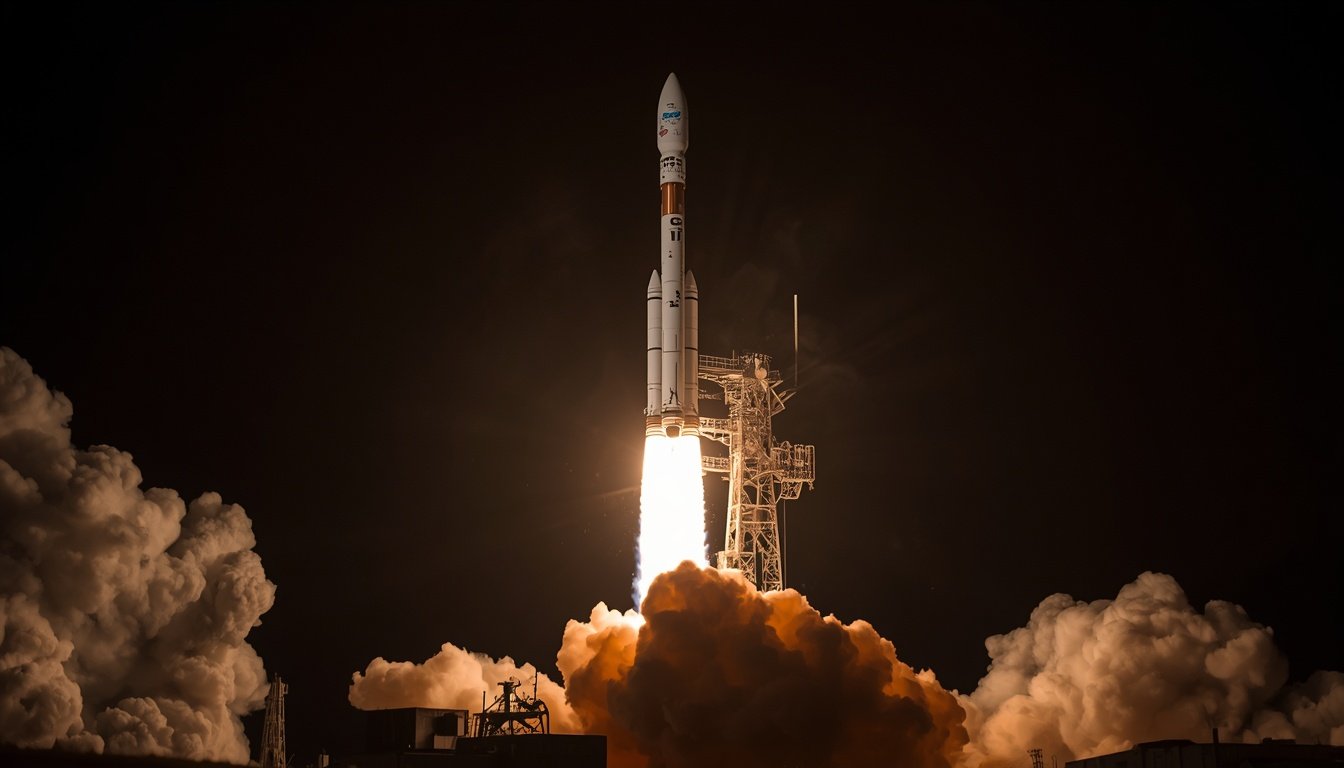
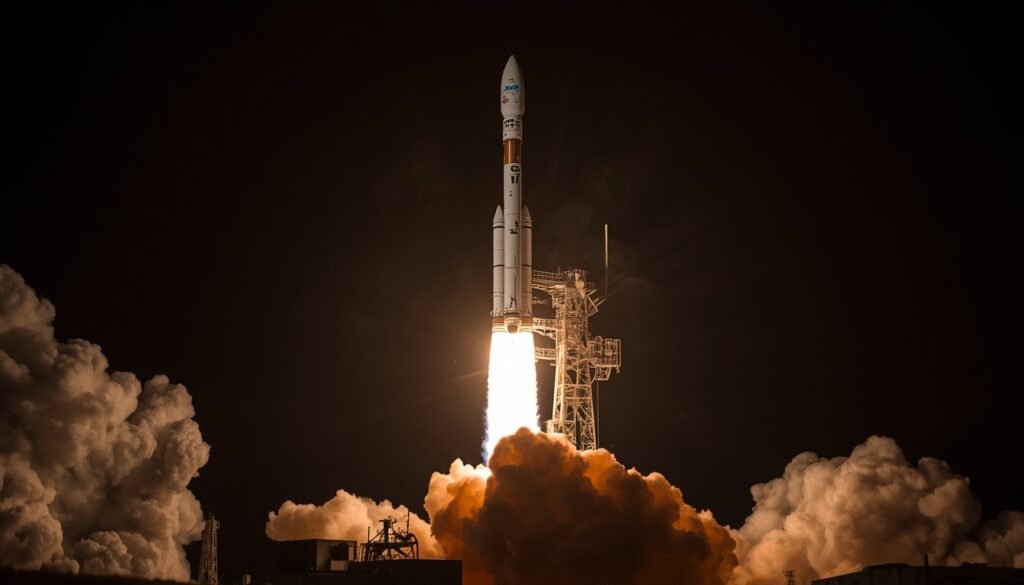
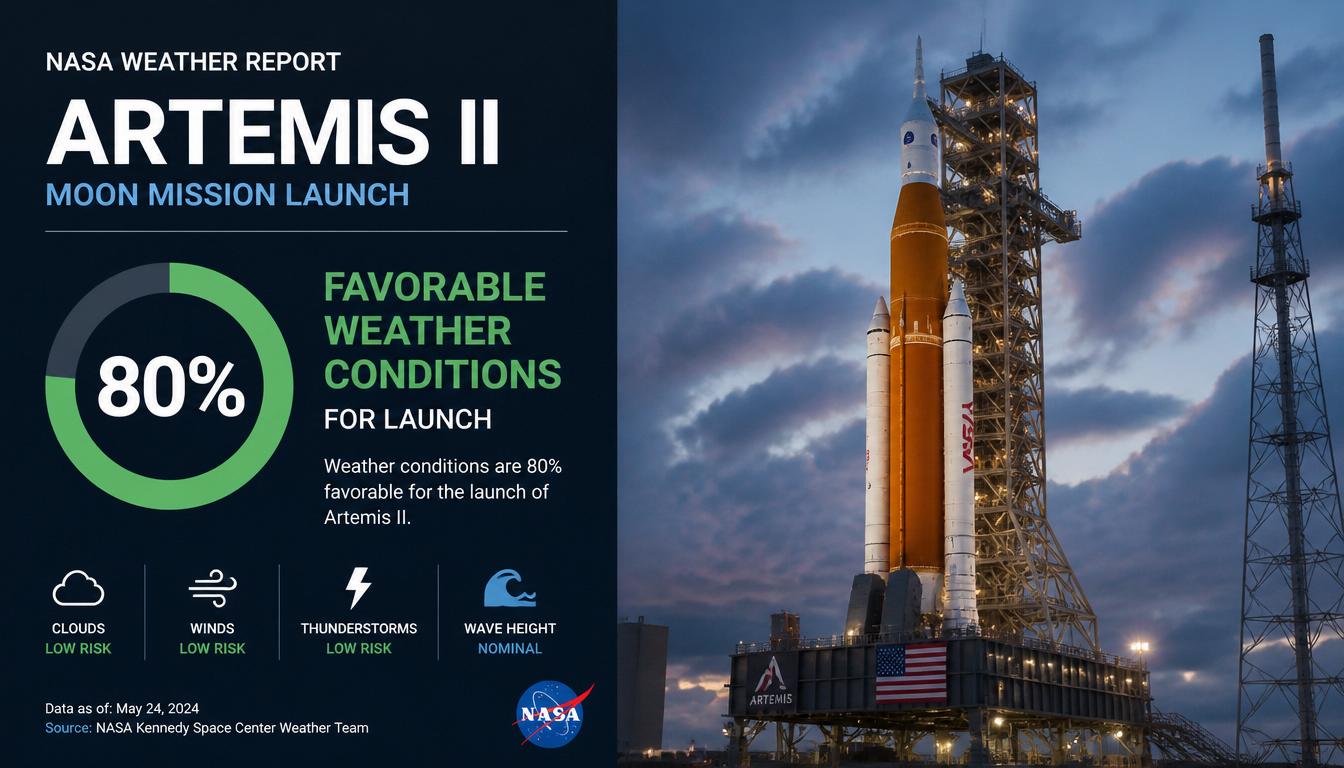
NASA has officially resumed preparations for one of its most important modern space missions as the Artemis II Space Launch System (SLS) rocket and Orion spacecraft began rolling back to Florida’s Kennedy Space Center, Launch Complex 39B.. The mission will send astronauts around the Moon for the first time since the Apollo era, marking another major milestone in deep-space exploration.
The rollout of Nasa Artemis II commences at the Kennedy Space Center.
The rollout operation started at 12:20 a.m. EDT on Friday, March 20, after weather conditions improved near the launch site. High winds earlier in the day forced NASA teams to delay the move for safety reasons.
NASA’s enormous crawler-transporter 2 is carrying the rocket and spacecraft on top of a mobile launcher across the crawlerway toward Launch Complex 39B. The journey stretches approximately four miles and can take nearly 12 hours due to the slow and careful transportation process.
The crawler-transporter moves at a very slow speed to protect the rocket from vibrations and structural stress. Engineers continuously monitor weather conditions, fuel systems, and rocket stability during the operation.
Technical Repairs Completed Before Rollout
Before returning to the launch pad, Artemis II spent additional time inside the Vehicle Assembly Building (VAB) after engineers discovered a helium flow issue during the wet dress rehearsal conducted on February 21.
The problem affected the upper stage of the rocket and required teams to bring the vehicle back for repairs and testing. NASA engineers successfully fixed the issue and carried out extensive system checks to ensure the rocket was ready for the next phase of launch preparations.
Major System Upgrades and Safety Checks
While Artemis II remained inside the VAB, engineers completed several important upgrades and maintenance procedures across the rocket and spacecraft systems.
Battery Replacements and Power System Testing
NASA teams activated new flight termination system batteries and replaced additional batteries on the upper stage, core stage, and solid rocket boosters. These systems are extremely important because they provide power and emergency safety functions during launch.
Engineers also charged Orion’s launch abort system batteries, which are designed to protect astronauts if a launch emergency occurs.
Oxygen Feed Line Repairs
Another critical task involved replacing a seal on the core stage liquid oxygen feed line. Teams also reassembled and tested the oxygen tail service mast umbilical plate to confirm a secure and leak-free connection.
These components are vital because the rocket depends on supercooled liquid oxygen and hydrogen fuel to generate the massive thrust needed for spaceflight.
Meet the Artemis II Astronaut Crew
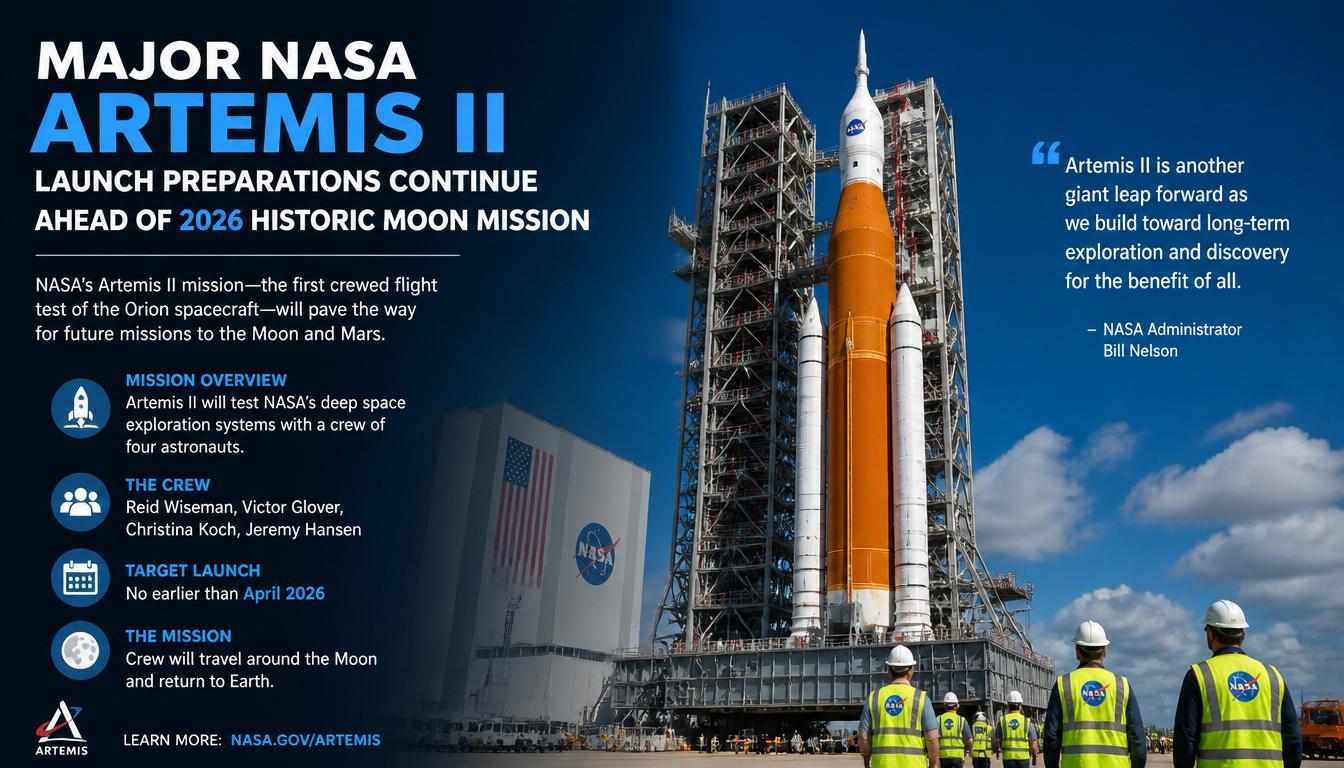
The Artemis II mission will carry four astronauts on an approximately 10-day mission around the Moon and back to Earth. The crew includes:
- Reid Wiseman — Mission Commander
- Victor Glover — Pilot
- Christina Koch — Mission Specialist
- Jeremy Hansen, who serves as a Mission Specialist representing the Canadian Space Agency.
This mission will become the first crewed flight of NASA’s Artemis program and the first mission to carry humans around the Moon in more than 50 years.
Why NASA’s Artemis II Is Important
Artemis II is more than just another space mission. It is a major step toward NASA’s long-term goal of returning humans to the lunar surface and eventually sending astronauts to Mars.
The mission will test:
- Orion spacecraft life-support systems
- Deep-space navigation technology
- Communication systems
- Crew safety procedures
- Rocket performance during human spaceflight
The success of Artemis II will directly support future missions like Artemis III, which aims to land astronauts on the Moon.
Comparison Between Artemis and Apollo Missions
Many people compare Artemis with NASA’s historic Apollo missions. While Apollo focused mainly on landing astronauts on the Moon during the 1960s and 1970s, Artemis is designed for long-term lunar exploration and future Mars preparation.
Key Differences
| Apollo Program | Artemis Program |
| Short-term lunar missions | Long-term Moon exploration |
| Older space technology | Advanced modern systems |
| Limited international partnerships | Global collaboration |
| Focused on Moon landing race | Focused on sustainability and science |
Artemis missions also include stronger international cooperation, including support from the Canadian Space Agency and other global partners.
Inside the Vehicle Assembly Building
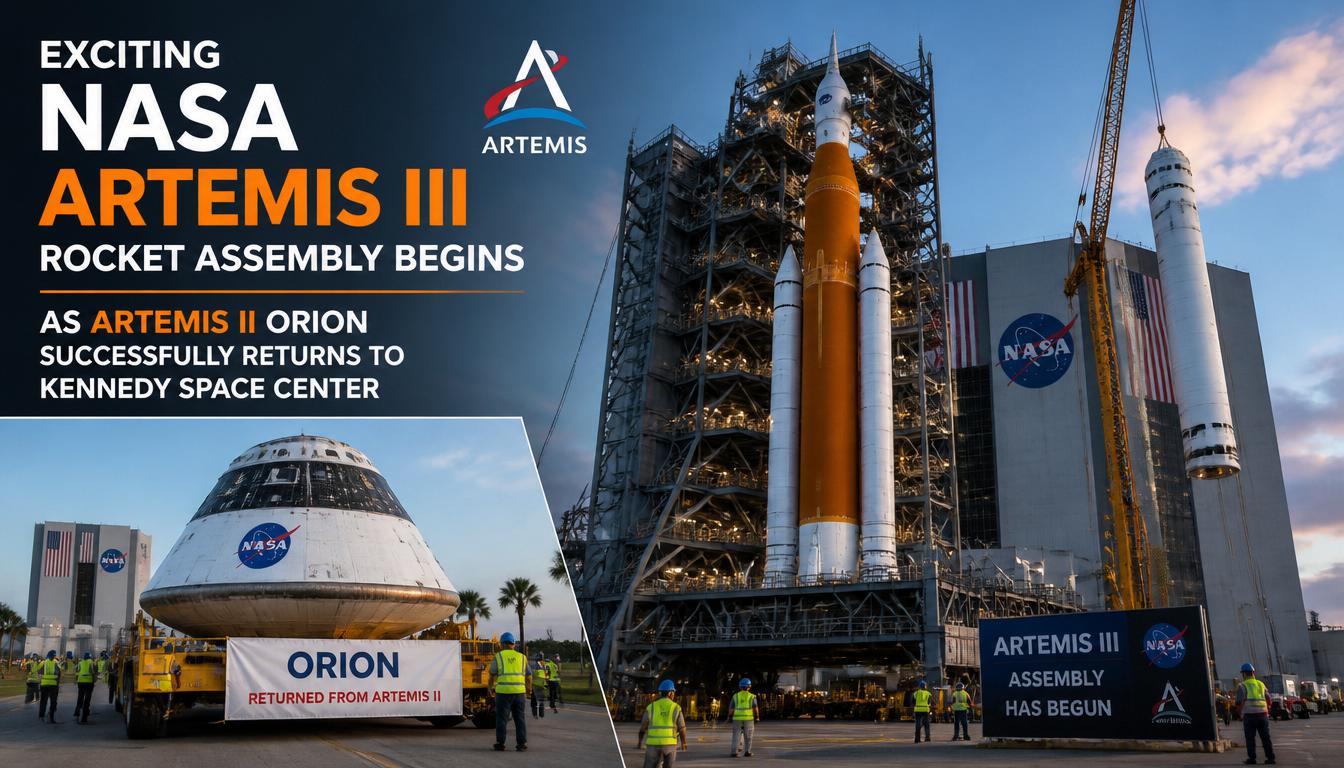
The Vehicle Assembly Building at Kennedy Space Center is one of the largest buildings in the world by volume. It was originally built for the Apollo and Space Shuttle programs and now supports Artemis missions.
Inside the VAB, engineers assemble the massive SLS rocket vertically before rollout to the launch pad. The building contains giant platforms and advanced support systems designed for large-scale space vehicles.
Future Artemis Missions
NASA plans several future Artemis missions after Artemis II:
Artemis III
Expected to land astronauts on the Moon, including the first woman and first person of color on the lunar surface.
Artemis IV and Beyond
Future missions may help build the Lunar Gateway space station and support long-term lunar research operations.
Frequently Asked Questions (FAQs)
What is Artemis II?
Artemis II is NASA’s first crewed Artemis mission that will send four astronauts around the Moon and safely return them to Earth.
How long will the mission last?
The mission is scheduled to span roughly 10 days.
What rocket will Artemis II use?
The mission uses NASA’s powerful Space Launch System (SLS) rocket along with the Orion spacecraft.
The rocket was brought back to the VAB for what reason?
Engineers identified a helium flow issue during testing and returned the rocket for repairs and additional inspections.
Who are the Artemis II astronauts?
The crew includes Reid Wiseman, Victor Glover, Christina Koch, and Canadian astronaut Jeremy Hansen.
What is the main goal of the Artemis II mission?
The mission aims to test NASA’s deep-space systems with astronauts onboard before future lunar landing missions.
Conclusion
NASA’s Artemis II rollout represents another exciting moment in the future of human space exploration. After completing repairs, upgrades, and safety testing, the mission is moving one step closer to launch.
As the first crewed Artemis mission, Artemis II will help pave the way for a new generation of lunar exploration and future missions deeper into the solar system. With advanced technology, international partnerships, and ambitious goals, NASA is preparing to open a new chapter in space history.
Time to Read another articles
Keep exploring
1 comment