Ultimate Meteor Shower Viewing Guide 2026: 7 Best Tips

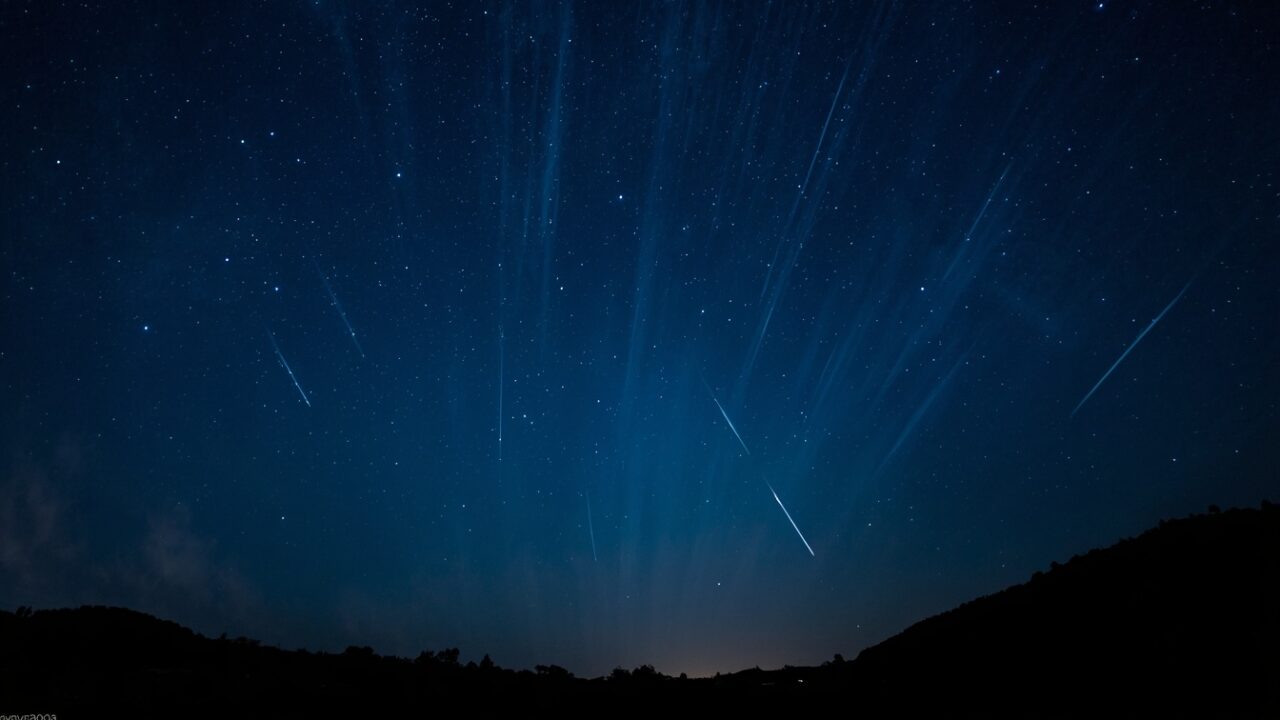
Meteor Shower Viewing Guide 2026:
Meteor showers rank among the most accessible astronomical events, requiring no equipment beyond patience and dark skies, and this Meteor shower viewing guide 2026 covers exactly how to plan and enjoy these predictable annual celestial displays.
Understanding What Causes Meteor Showers
Meteor showers occur when Earth passes through debris trails left behind by comets, with small particles burning up in our atmosphere, creating the bright, brief streaks of light we recognize as shooting stars.
Major Annual Meteor Showers Worth Knowing
This Meteor shower viewing guide 2026 highlights several major recurring showers worth prioritizing, including the Perseids in August, the Geminids in December, and the Quadrantids in January, each offering reliably strong activity most years.
Finding the Radiant Point
This Meteor shower viewing guide 2026 explains the concept of a radiant point, the sky location from which meteors appear to originate, though it notes meteors are actually often more visible looking somewhat away from this exact point rather than staring directly at it.
Best Viewing Times During the Night
This Meteor shower viewing guide 2026 recommends observing during the pre-dawn hours when possible, since Earth’s rotation typically positions your location facing more directly into the debris stream during these later night hours, generally producing higher meteor rates.
Why Moon Phase Timing Matters Significantly
This meteor shower guide emphasizes checking moon phase before planning your viewing session, since a bright moon can wash out fainter meteors considerably, making showers coinciding with new moon periods notably more rewarding to observe.
No Equipment Required for Basic Viewing
Unlike many astronomical targets, the reassures that meteor showers require no telescope or binoculars, since their fast, unpredictable movement across large areas of sky actually makes naked-eye observation the most practical approach.
Comfortable Viewing Setup Recommendations
This meteor shower guide recommends bringing a reclining chair or blanket, allowing comfortable extended sky viewing without neck strain, since meaningful meteor shower observation typically requires patient watching over 30 minutes or longer.
Photographing Meteor Showers
For those wanting to capture the experience, this meteor shower guide suggests wide-field camera setups with long exposures, since capturing individual meteors requires either luck or numerous consecutive exposures covering extended observation periods.
2026 Highlight: A Moonless Perseids Peak
The Perseids peak around August 12 to 13, 2026, and this year the timing is excellent because the new Moon falls on August 12. With no moonlight, observers under dark skies may see rates approaching the shower’s typical maximum of around 60 to 100 meteors per hour.
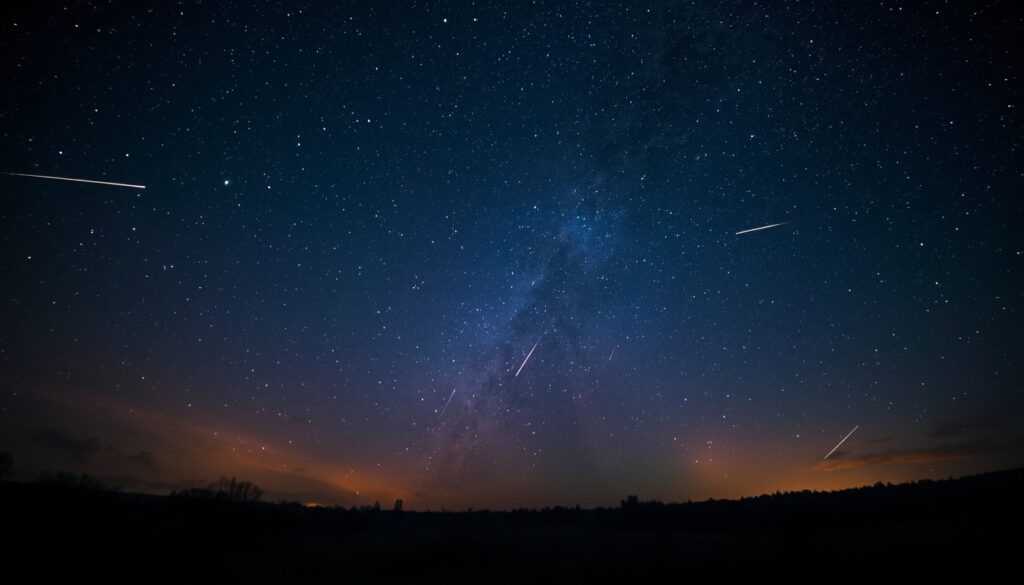
This makes the Perseids the standout event in the observers use. The same date brings a total solar eclipse across Spain, so August 12 is a memorable day for sky watchers.
Geminids in December 2026
The Geminids peak around December 13 to 14, 2026. The Moon will be a thin waxing crescent that sets early in the evening, leaving dark skies for most of the night.
The Geminids are often the richest shower of the year, with rates up to about 120 meteors per hour under ideal conditions.
Showers With Moon Interference
The Quadrantids in early January 2026 coincided with a full Moon, making them difficult to see. The Orionids in late October will have a bright waxing gibbous Moon in the evening sky.
Checking Moon phases helps set realistic expectations.
Where Meteors Come From
Most meteor showers come from debris left by comets. The Perseids come from Comet Swift-Tuttle, while the Geminids come from the asteroid 3200 Phaethon.
Earth passes through these debris streams each year.
Counting Meteors for Science
Organizations like the International Meteor Organization collect meteor counts from observers. These counts help measure shower activity.
Anyone can contribute by recording what they see.
Fireballs
Fireballs are exceptionally bright meteors, brighter than Venus. They can occur during showers or randomly.
Reporting fireballs to meteor networks helps track them.
Patience Pays Off
Meteors come in bursts, with quiet periods between. Plan to watch for at least an hour.
Let your eyes adapt and avoid looking at your phone.
Photographing the 2026 Perseids
With a new Moon on August 12, 2026, conditions for photographing the Perseids are excellent. Set up a camera with a wide-angle lens on a sturdy tripod, pointing about 45 degrees from the radiant in Perseus toward a dark part of the sky. Take continuous exposures through the night and review them afterward for meteors.
The photographers can use should recommend fresh batteries, large memory cards and a dew heater, since August nights often bring dew. Stacking the best frames into a composite can produce dramatic images of many meteors streaking from one point.
Keeping Warm and Comfortable
Even summer nights can feel cool after hours outdoors. Bring blankets, a reclining chair, snacks and insect repellent. Comfort helps you stay out longer and see more meteors.
Where to Look
You do not need to stare directly at the radiant. Meteors can appear anywhere in the sky, and those farther from the radiant often have longer trails. Look about 45 degrees away from the radiant and relax your gaze across a wide area.
The observers can use should stress lying back on a reclining chair or blanket, which lets you take in as much sky as possible without neck strain.
Other 2026 Showers
The Lyrids peak around April 22, with the Moon a waxing crescent that sets early. The Eta Aquariids in early May favor Southern Hemisphere observers. The Leonids in mid-November and the Draconids in early October are usually modest, but occasional outbursts can surprise observers.
Meteor Photography Tips
Use a wide-angle lens, set ISO 1600 to 3200, open the aperture wide and take continuous exposures of 15 to 25 seconds. Aim about 45 degrees from the radiant and let the camera run for hours.
Later, review frames for meteors and combine them into composites.
Final Thoughts
These accessible, equipment-free astronomical events offer genuinely rewarding experiences for anyone willing to find dark skies and dedicate patient observation time during peak shower activity periods.
In Short
Mark August 12 to 13 on your calendar for a moonless Perseids peak in 2026.
Further Reading
The International Meteor Organization publishes an annual meteor shower calendar with peak dates and Moon conditions.
Keep exploring with our guides to Seasonal night sky guide winter, Seasonal night sky guide autumn and Kids astronomy stargazing guide beginners. For official information, visit NASA’s skywatching tips.
Frequently Asked Questions
What causes meteor showers?
Earth passing through debris trails left behind by comets, burning up in our atmosphere.
What are some major annual meteor showers?
The Perseids in August, Geminids in December, and Quadrantids in January.
When during the night is meteor viewing best?
Pre-dawn hours, when Earth typically faces more directly into the debris stream.
Does moon phase affect meteor shower viewing?
Yes, a bright moon can wash out fainter meteors significantly.
Do I need a telescope to watch meteor showers?
No, naked-eye observation is actually the most practical approach for these fast-moving events.